Harnessing the Power of Public Data: Web Scraping for the Healthcare Industry in 2026
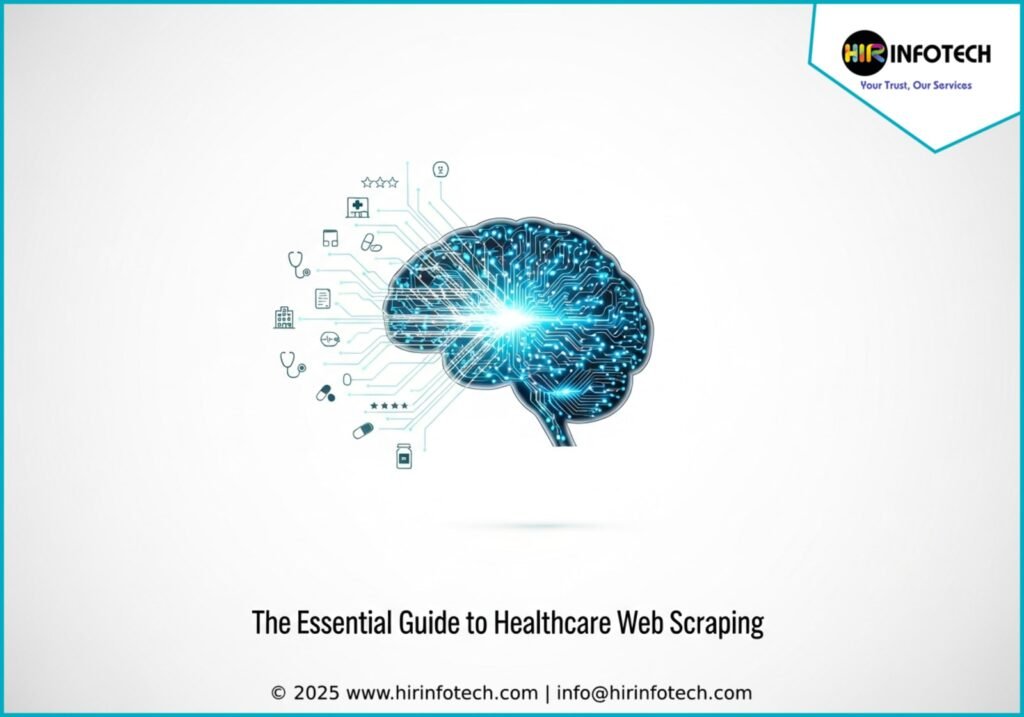
The U.S. healthcare market is a titan of the economy, with national health spending projected to reach a staggering $5.7 trillion by 2026. This immense growth is fueled by a digital revolution sweeping through the sector. We’re seeing the rapid rise of telemedicine, the integration of AI in medical devices, and the adoption of blockchain for securing health data. For healthcare organizations aiming to deliver cutting-edge solutions, web scraping has emerged as an indispensable tool. By harnessing publicly available data, companies can make smarter, data-driven business decisions that enhance patient care and operational efficiency.
In this comprehensive guide, we’ll explore how web scraping is transforming the healthcare landscape. We’ll delve into the types of data you can collect, the profound benefits of this practice, and how it’s poised to evolve with the latest advancements in data solutions. This post is designed for a non-technical audience, offering clear, actionable insights for mid to large-sized companies that rely on frequent data extraction and analysis.
The Digital Transformation of Healthcare: A New Frontier of Data
The healthcare industry is experiencing an unprecedented digital shift. Telehealth adoption has surged, with projections suggesting it could account for up to 30% of all U.S. medical visits by 2026. This virtual care model generates vast amounts of data, creating new opportunities for analysis and insight. Simultaneously, artificial intelligence is becoming a cornerstone of modern healthcare. By 2026, nearly 90% of hospitals are expected to utilize AI for diagnostics and remote monitoring. This integration of AI is not just about improving existing processes; it’s about fundamentally reshaping how healthcare is delivered, making it more predictive, personalized, and proactive.
Furthermore, blockchain technology is gaining traction as a secure method for managing sensitive health information, with the market expected to exceed $1.7 billion by 2026. This convergence of telemedicine, AI, and blockchain is creating a rich, interconnected data ecosystem. For businesses in the healthcare sector, the ability to tap into this public data through web scraping is no longer a luxury—it’s a competitive necessity.
What Types of Healthcare Data Can Be Scraped?
Web scraping opens the door to a wealth of publicly available information that can provide a significant competitive edge. The applications are vast and varied, offering insights across different facets of the healthcare industry. Here are some of the key types of data that can be ethically and legally scraped:
- Provider Information: Collect detailed information about doctors, specialists, and other healthcare providers, including their names, specialties, and affiliations.
- Facility Locations: Easily gather data on the locations of clinics, hospitals, and urgent care centers to analyze market saturation and identify underserved areas.
- Health Insurance Data: Scrape information on which insurance plans are accepted by various hospitals and individual providers to better understand network coverage.
- Medical Supplies and Equipment: Monitor the availability and pricing of medical supplies and equipment from various online retailers to optimize procurement strategies.
- Prescription Drug Costs: Track and compare the prices of prescription drugs across different pharmacies to identify cost-saving opportunities for patients and providers.
- Specialized Treatment Centers: Identify hospitals and clinics that specialize in treating specific diseases, helping patients find the right care and enabling market analysis.
- Online Reviews and Patient Feedback: Aggregate patient reviews and ratings for hospitals and service providers to gauge patient satisfaction and identify areas for improvement.
- Public Health Research: Access data from public health organizations to support scientific research, track disease trends, and inform public health initiatives.
- Pharmaceutical Product Information: Gather detailed product information for pharmacies and drug development, including drug composition, usage instructions, and manufacturer details.
- Employment and Recruitment Data: Analyze job postings and hiring trends to gain insights into competitors’ growth plans and identify talent acquisition opportunities.
For more information on publicly available health data, you can explore resources like HealthData.gov, a U.S. government portal dedicated to making health data more accessible.
The Tangible Benefits of Web Scraping for Public Healthcare Data
The healthcare sector is a treasure trove of data, encompassing everything from medical insurance details to regulatory compliance information and scientific research. The healthcare analytics market is projected to reach $75.1 billion by 2026, a testament to the growing importance of data in this field. By leveraging web scraping, organizations can unlock valuable insights and gain a significant competitive advantage. Here’s how:
Public Health Research and Analysis
Web scraping is a powerful tool for public health research. By aggregating data from various online sources, researchers can map population health trends, monitor disease outbreaks, and make more informed decisions about treatment and prevention strategies. This data can be instrumental in identifying public health challenges and developing effective interventions to address them.
In-Depth Price Analysis
The cost of healthcare is a major concern for both patients and providers. Web scraping enables detailed price analysis of prescription drugs, medical procedures, and insurance plans. This information allows consumers to find the most affordable options and helps providers remain competitive. Pharmaceutical companies can also use this data to understand market pricing and position their products effectively.
Comprehensive Competitive Analysis
Understanding the competitive landscape is crucial for any business. Web scraping allows healthcare organizations to monitor their competitors’ services, pricing, and patient feedback. By analyzing this data, companies can identify their strengths and weaknesses, discover market gaps, and develop strategies to gain a competitive edge. This includes tracking competitor expansion plans through job postings and understanding their service offerings through their websites.
Leveraging Data from Health Discussion Forums
Online health forums are a rich source of patient-generated data. However, the unstructured nature of this information can make it difficult to analyze. Web scraping provides a solution by extracting and structuring this data, offering valuable insights into:
- Disease Identification: By analyzing discussions about symptoms, it’s possible to identify patterns that may indicate the prevalence of certain diseases.
- Drug Side Effects: Patients often discuss the side effects of medications in online forums. This information can be invaluable for post-market drug surveillance and identifying potential safety issues.
- Treatment Recommendations: Analyzing discussions about different treatments can provide insights into patient preferences and the perceived effectiveness of various therapies.
The World Health Organization (WHO) provides a wealth of global health data and statistics that can complement insights gathered from public forums. You can access their data at the WHO Data Portal.
Future-Forward: AI and Web Scraping in 2026
Looking ahead to 2026, the synergy between artificial intelligence and web scraping is set to revolutionize healthcare data analysis. AI-powered web scraping tools will be able to extract and analyze data with greater speed, accuracy, and sophistication. Generative AI, for example, will play a significant role in transforming clinical documentation and accelerating drug discovery by creating structured summaries from unstructured text and even generating novel drug compounds.
This next generation of web scraping will enable healthcare organizations to move beyond descriptive analytics (what happened) to predictive and prescriptive analytics (what will happen and what we should do). Imagine being able to predict disease outbreaks based on real-time analysis of online discussions or optimize hospital staffing levels by forecasting patient admission rates with incredible accuracy. These are the kinds of transformative possibilities that AI-driven web scraping will unlock.
For a deeper dive into healthcare analytics, consider exploring the work of leading firms in the field such as Optum, which offers a wide range of data-driven solutions for the healthcare industry.
Frequently Asked Questions (FAQs)
1. What exactly is web scraping?
Web scraping, also known as web data extraction, is the process of automatically collecting information from websites. Instead of manually copying and pasting data, which is time-consuming and prone to errors, web scraping uses automated software to gather large amounts of data quickly and efficiently. This data is then typically saved in a structured format, like an Excel spreadsheet or a database, for easy analysis.
2. Is web scraping legal and ethical in the healthcare industry?
Web scraping is legal when it involves collecting publicly available data. However, it is crucial to adhere to ethical guidelines and legal regulations, especially in a sensitive field like healthcare. This means respecting website terms of service, avoiding the collection of private or personally identifiable information (PII), and complying with regulations like HIPAA (Health Insurance Portability and Accountability Act). It’s always best to consult with legal counsel to ensure compliance.
3. How can web scraping help my healthcare business save money?
Web scraping can lead to significant cost savings in several ways. It can help you find the best prices for medical supplies and equipment, identify inefficiencies in your operations, and optimize your marketing and recruitment efforts. By providing you with accurate, up-to-date data, web scraping allows you to make more informed decisions that can improve your bottom line.
4. What are the technical requirements for implementing web scraping?
While the underlying technology can be complex, you don’t need to be a technical expert to benefit from web scraping. Many companies, like Hir Infotech, offer professional web scraping services. They handle all the technical aspects, from building the scraper to cleaning and structuring the data, so you can focus on using the insights to grow your business.
5. Can web scraping be used to monitor social media for healthcare trends?
Yes, web scraping can be a powerful tool for social media monitoring. By scraping public social media data, you can track conversations about specific diseases, treatments, and healthcare providers. This can help you understand public sentiment, identify emerging health trends, and engage with patients more effectively.
6. How does web scraping contribute to pharmaceutical research?
In the pharmaceutical industry, web scraping is used to gather a wide range of data, including information on clinical trials, drug prices, patient reviews, and competitor products. This data can help researchers identify new drug development opportunities, monitor the safety and efficacy of existing drugs, and understand the competitive landscape.
7. How can my company get started with web scraping?
The easiest way to get started is to partner with a professional web scraping service provider like Hir Infotech. They have the expertise and infrastructure to handle all your data extraction needs, ensuring you get high-quality, reliable data in a format that’s easy to use. They can work with you to understand your specific requirements and develop a custom web scraping solution that meets your business goals.
Your Partner in Data-Driven Healthcare Solutions
The future of healthcare is data-driven. To stay competitive and provide the best possible care, organizations need to harness the power of public data. Web scraping is the key to unlocking this valuable resource, providing the insights you need to make smarter, more informed decisions.
At Hir Infotech, we specialize in providing comprehensive data solutions for the healthcare industry. Our team of experts can help you navigate the complexities of web scraping, ensuring you get the data you need in a compliant and ethical manner. Whether you’re looking to conduct market research, monitor competitors, or enhance your public health initiatives, we have the tools and expertise to help you succeed.
Ready to unlock the power of your data? Contact Hir Infotech today to learn more about our web scraping and data solution services.
#HealthcareData #WebScraping #DataAnalytics #DigitalHealth #HealthcareTechnology #AIinHealthcare #BigData #HealthTech #DataSolutions #HirInfotech