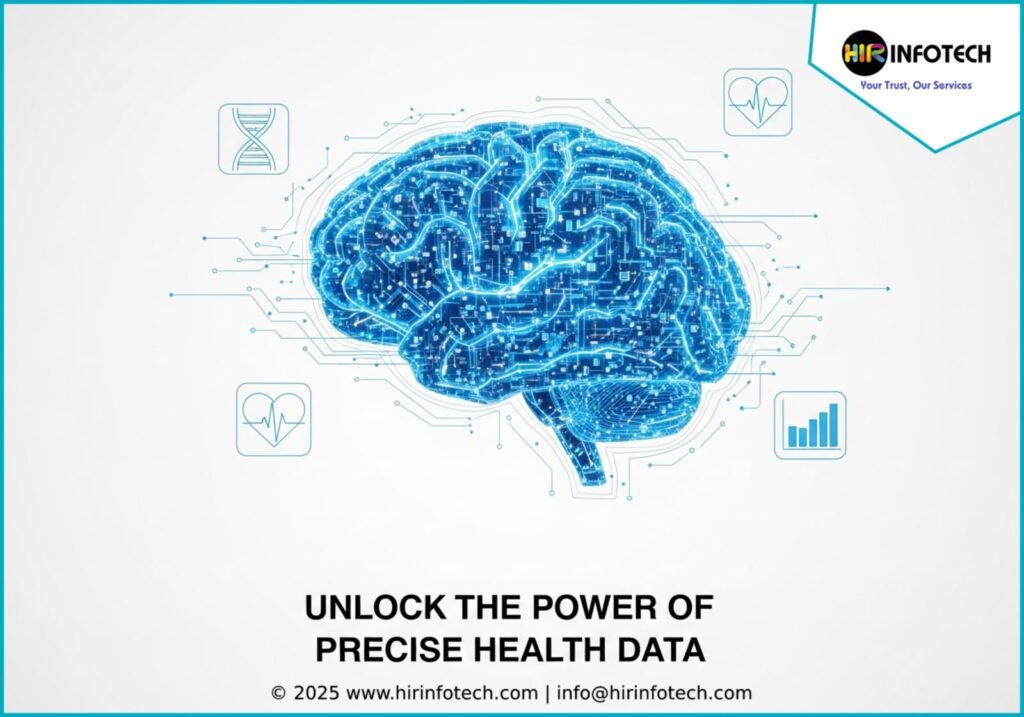
Harnessing the Power of Precise Health Information: A 2026 Outlook
We are generating more healthcare data than ever before. But raw data is just the beginning. Before this information can be used, it must be verified, stored, updated, and analyzed. When handled correctly, accurate and focused healthcare data empowers you to make the best decisions, which can dramatically improve outcomes. For healthcare organizations, medical professionals, and patients, targeted healthcare databases offer significant benefits.
By 2026, the integration of artificial intelligence (AI) and machine learning will be standard practice in healthcare, revolutionizing everything from diagnostics to patient care. This technological shift underscores the growing importance of high-quality, precise health information. For businesses that rely on web scraping and data extraction, this evolution presents both a challenge and an opportunity. The demand for accurate, real-time healthcare data has never been higher, and organizations that can effectively harness this information will gain a significant competitive edge.
The Foundational Role of Precise Data in Modern Healthcare
In the rapidly evolving healthcare landscape, data is the new currency. The global healthcare analytics market is projected to reach USD 145.81 billion by 2032, a testament to the industry’s reliance on data-driven insights. However, the sheer volume and complexity of healthcare data can be overwhelming. This is where the importance of precise health information comes into play. It’s not just about having data; it’s about having the *right* data, at the right time.
Accurate and reliable data is the bedrock of effective healthcare. For medical professionals, it informs diagnoses, treatment plans, and patient monitoring. For healthcare organizations, it drives operational efficiency, resource allocation, and strategic planning. And for patients, it empowers them to take a more active role in their own health and well-being. Without precise data, the entire healthcare ecosystem would be operating in the dark, with potentially life-threatening consequences.
Driving Informed Decisions Across the Board
For doctors, patients, insurance agents, and other organizations to understand patient needs and make the best decisions, high-quality healthcare data is crucial. With advanced research and data extraction techniques, it’s now possible to efficiently gather and analyze patient data. This enables healthcare providers to remotely exchange information that could even save their patients’ lives. When clinicians have access to a complete and accurate picture of a patient’s health history, they can make more informed decisions, leading to better patient outcomes.
Discovering the Most Effective Treatments
A one-size-fits-all approach to medicine is becoming a relic of the past. What works for one patient may not work for another, even if they have the same condition. A robust healthcare database is instrumental in finding the right medication and treatment for each individual patient. By analyzing vast datasets, researchers and clinicians can identify patterns and correlations that would otherwise go unnoticed. This data-driven approach allows for the administration of the most effective treatment or medication, especially for patients with life-threatening ailments.
The Tangible Business Benefits of Precise Health Data
For companies operating in the data solutions industry, the value of precise health information extends far beyond the clinical setting. It’s a strategic asset that can drive business growth, enhance market competitiveness, and foster stronger customer relationships. As we look towards 2026, the ability to extract, analyze, and leverage healthcare data will be a key differentiator for businesses in this sector.
Significant Cost Reductions and Improved Efficiency
In personal healthcare, thorough and comprehensive diagnosis and treatment can lead to better outcomes while costing hospitals and other medical facilities less money. For individuals, the collection of sophisticated medical data is crucial. When this data is centralized, it can significantly reduce the frequency of follow-up doctor visits and help patients avoid unnecessary prescriptions. From a business perspective, providing clients with accurate and targeted healthcare data can help them optimize their operations, reduce waste, and improve their bottom line.
The Power of Centralized Data Storage
When healthcare data is maintained in a specific, centralized system and is accessible to all relevant healthcare practitioners, the quality of services offered to improve a patient’s health can be greatly enhanced. The sharing of data between physicians, researchers, and medical facilities accelerates patient progress. This allows doctors to provide a thorough treatment plan after having access to a complete picture of a patient’s life. For data solution providers, offering centralized data storage and management services is a significant value proposition for healthcare clients.
Gaining a Competitive Edge in the Healthcare Market
The community healthcare system is a complex network of hospitals, governments, and external organizations like insurance companies and registries. In this competitive landscape, maintaining a proper healthcare database can dramatically increase the standard of service. This, in turn, leads to a strong market position and increased profits. To achieve such results, businesses must have access to the most recent and targeted healthcare data.
Fostering Personalized and Engaging Communications
A well-maintained healthcare database allows marketing professionals to have educated, personalized conversations through various channels like chatbots, virtual support, email, and patient portals. This type of communication not only enhances the customer experience but also makes interactions more pleasant and tailored. By leveraging precise data, businesses can deliver the right message to the right person at the right time, fostering stronger relationships and driving customer loyalty.
Enabling Proactive Equipment Maintenance
Hospitals and healthcare facilities rely on sophisticated equipment to deliver quality care. A comprehensive database can facilitate equipment analytics and diagnostics, providing accurate data on equipment performance. This allows for early diagnosis of potential issues, preventing more serious problems down the line. For companies providing data solutions, offering proactive equipment maintenance services based on data analysis is a valuable and in-demand service.
Preventing and Managing Disease Outbreaks
The storage of specific healthcare datasets is crucial for preventing and managing epidemics. By sharing health-related information, doctors and epidemiologists can identify risk factors and trends across different locations and population groups. These discoveries have the potential to save countless lives, particularly those of high-risk patients. Accurate and timely public health data serves as an early warning system, enabling swift identification of disease outbreaks and allowing public health officials to implement timely interventions.
Looking Ahead: The Future of Health Information in 2026 and Beyond
The healthcare industry is on the cusp of a data-driven revolution, with AI and machine learning set to play an even more prominent role in the coming years. By 2026, we can expect to see a greater emphasis on predictive analytics, personalized medicine, and real-time data monitoring. For businesses in the data solutions space, this presents a wealth of opportunities. The ability to provide high-quality, actionable healthcare data will be more critical than ever.
To succeed in this evolving landscape, companies will need to stay ahead of the curve, continuously innovating and adapting their data extraction and analysis techniques. By embracing the power of precise health information, businesses can not only drive their own success but also contribute to a healthier and more efficient healthcare system for all.
Ready to unlock the power of precise health information? Contact Hir Infotech today to learn how our cutting-edge data solutions can help you achieve your business goals.
#HealthData #DataSolutions #PreciseHealth #HealthcareAnalytics #FutureOfHealthcare #DataExtraction #WebScraping #AIinHealthcare #DigitalHealth #HealthcareTechnology
Frequently Asked Questions (FAQs)
1. What is precise health information?
Precise health information refers to detailed and accurate data about an individual’s genetics, environment, and lifestyle. This information is used to develop tailored treatment and prevention strategies. By considering these individual variations, medical professionals can gain a deeper understanding of the complexities of the human body and provide more effective care.
2. Why is accurate health information so important?
In the medical field, knowledge can be a matter of life and death. Access to accurate patient and population health data empowers doctors, nurses, and healthcare administrators to make critical decisions about patient treatment. This information is vital for diagnosing illnesses, prescribing the right medications, and developing effective care plans, ultimately leading to better health outcomes.
3. What are the benefits of personalized healthcare?
The primary goal of personalized healthcare is to prevent the onset of illness. It involves you as an active participant in making decisions about your medical treatment. Because every individual has unique health risks, lifestyle choices, and health goals, it’s essential to tailor care to each person’s specific needs. This approach leads to more effective and efficient healthcare.
4. How is web scraping used in the healthcare industry?
Web scraping is the automated process of extracting large amounts of data from websites. In healthcare, this technique is used to gather a wide range of health-related data from various online sources, including medical research publications, patient reviews, and pharmaceutical pricing information. This allows healthcare organizations to monitor public health trends, track drug prices, and gather competitive intelligence.
5. What is E-E-A-T and why is it important for healthcare content?
E-E-A-T stands for Experience, Expertise, Authoritativeness, and Trustworthiness. It’s a framework used by Google to evaluate the quality of web content, especially for topics that can significantly impact a person’s health or finances. For healthcare websites, demonstrating strong E-E-A-T is crucial for building trust with both users and search engines, which can lead to higher rankings and greater visibility.
6. How can centralized data improve healthcare?
A centralized data repository consolidates data from various sources into a single, accessible platform. This gives healthcare providers a comprehensive and accurate view of a patient’s health and an organization’s performance. By eliminating data silos, centralized data systems facilitate more efficient decision-making, improve the quality of care, and ensure regulatory compliance.
7. What role does data play in preventing disease outbreaks?
Accurate and timely public health data is essential for preventing and controlling disease outbreaks. It serves as an early warning system, allowing for the rapid identification of emerging health threats. This enables public health officials to implement timely interventions, allocate resources effectively, and communicate clearly with the public, which can significantly limit the spread of disease.