Gain the Pole Position: How Car Rental Web Scraping Drives Success in 2026
In the fast lane of the car rental industry, staying ahead isn’t just about having the best fleet; it’s about having the best information. Today, your business needs constant access to precise, real-time data on competitor rates, vehicle availability, and customer sentiment. Manually tracking this information is like trying to win a grand prix on a scooter—slow, inefficient, and bound to leave you in the dust.
The car rental market, valued at over $166 billion in 2025, is set to accelerate to more than $184 billion by 2026. This growth brings fierce competition. How can you ensure your business not only keeps pace but leads the pack? The answer lies in a powerful technology that turns the vast landscape of the internet into your personal racetrack of actionable intelligence: web scraping.
This comprehensive guide will explore how leveraging automated data solutions is no longer a luxury but a necessity for survival and growth. We’ll shift gears from theory to practical application, demonstrating how data extraction can fuel your dynamic pricing strategies, optimize your fleet, and enhance your marketing efforts for a podium finish in 2026 and beyond.
The Check Engine Light Is On: Competitive Challenges in the 2026 Car Rental Market
The road to profitability in 2026 is paved with new obstacles. While the industry has recovered from the pandemic, new challenges have emerged. Rising vehicle acquisition costs, unpredictable resale values, and intense pricing pressure are squeezing margins. Simultaneously, customer expectations are higher than ever. Renters, especially younger travelers, demand a seamless, digital, and personalized experience, showing little patience for long lines or outdated processes.
Key challenges making the market more competitive include:
- Intense Pricing Wars: Aggressive pricing from competitors and the rise of ultra-discount operators can erode profitability. Businesses must navigate this landscape carefully to remain competitive without sacrificing revenue.
- Dynamic Market Demand: Demand for rental vehicles can fluctuate wildly based on seasonality, holidays, local events, and economic conditions. Predicting and adapting to these shifts is a constant operational challenge.
- Fleet Management Complexity: Optimizing your vehicle mix is a high-stakes balancing act. Having the right cars in the right locations at the right time is crucial for maximizing utilization and avoiding costly idle time.
- The Customer Experience Imperative: In an increasingly digital world, customer satisfaction is paramount. Negative online reviews can significantly impact your brand’s reputation and bottom line. Understanding and responding to customer feedback is more critical than ever.
Navigating these challenges requires more than just intuition. It demands a data-driven approach that provides a clear, real-time view of the entire market landscape. This is where web scraping becomes your strategic co-pilot.
What is Web Scraping? Your Key to the Ignition
Think of web scraping as deploying a fleet of tiny, hyper-efficient robots to browse the internet for you. These “bots” visit the websites of your competitors, online travel agencies (OTAs), and customer review platforms. They work 24/7 to automatically collect specific, publicly available information that you define. It’s a technological process that automates the collection and structuring of data from the web, turning a chaotic flood of information into a clean, organized, and usable dataset.
By 2026, web scraping is evolving rapidly, driven by advancements in Artificial Intelligence (AI). AI-powered scraping tools can navigate complex websites, understand context, and even extract data from dynamic, JavaScript-heavy pages that traditional methods can’t handle. These intelligent systems don’t just collect data; they clean, structure, and prepare it for analysis, reducing errors and delivering actionable intelligence faster than ever.
Crucially, this process, when done correctly, is both ethical and legal. Reputable data solution providers operate within the bounds of website terms of service and respect privacy regulations. Ethical web scraping focuses on collecting public data while respecting website infrastructure by managing request rates to avoid overloading servers. For more on the best practices, Zyte offers an excellent guide on ethical scraping.
Unlocking the Treasure Trove: What Data Can You Extract?
Web scraping opens the door to a wealth of competitive intelligence that can transform every aspect of your car rental business. The sheer volume and variety of data available online is staggering. By targeting the right information, you can build a comprehensive picture of the market and your place within it. Here are some of the most valuable data points you can gather:
Pricing and Rate Intelligence
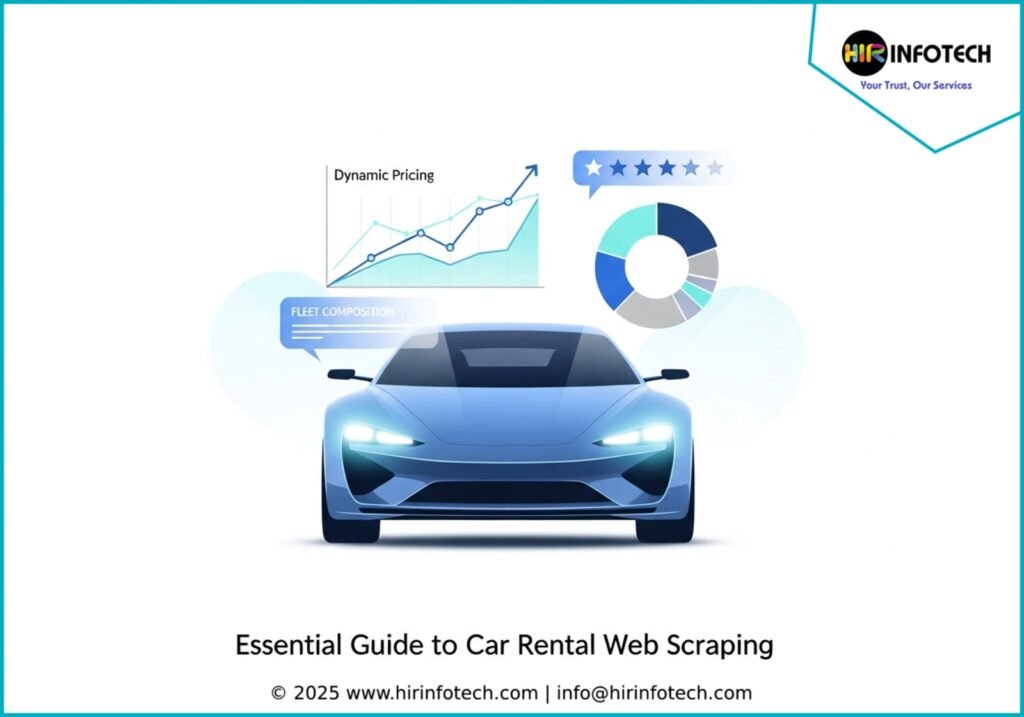
This is the most direct application of web scraping for car rental companies. Monitoring competitor pricing in real-time allows you to implement a dynamic pricing strategy that maximizes revenue. Adjust your rates based on market demand, competitor actions, and even factors like local events or flight schedules.
- Base Rates: Track daily, weekly, and monthly rates for different vehicle classes across all competitors.
- Promotional Offers: Instantly identify special deals, discount codes, and seasonal promotions your rivals are running.
- Ancillary Fees: Monitor charges for extras like GPS, child seats, additional drivers, and insurance to ensure your total package is competitive.
- Dynamic Fluctuations: Observe how prices change in response to demand surges, allowing you to predict trends and adjust your own prices proactively.
Fleet and Inventory Analysis
Understanding what vehicles your competitors offer and their availability is critical for optimizing your own fleet. This data helps you identify gaps in the market and ensure your vehicle mix aligns with customer demand.
- Vehicle Availability: See which car models are available or sold out at competitor locations for specific dates. This helps you anticipate demand spikes for certain vehicle types.
- Makes and Models: Get a complete list of the vehicles offered by competitors, including any new additions to their fleet.
- Specialty Vehicles: Identify the availability of luxury cars, EVs, convertibles, or vans to see if there are underserved niches you can capitalize on.
Customer Sentiment and Reviews
Online reviews are a goldmine of information about customer preferences and pain points. By scraping and analyzing reviews from sites like Google, Yelp, and Trustpilot, you can gain invaluable insights into what customers love and what they dislike—about your services and your competitors’.
- Sentiment Analysis: Automatically categorize reviews as positive, negative, or neutral to get a high-level overview of customer satisfaction.
- Common Themes: Identify recurring keywords and phrases in reviews to pinpoint specific issues (e.g., “long wait times,” “hidden fees”) or strengths (“clean cars,” “friendly staff”).
- Competitor Weaknesses: Analyze your rivals’ negative reviews to identify opportunities where you can provide a superior experience.
Location and Market Expansion Data
Strategic growth requires understanding where the demand is. Web scraping can help you identify promising new locations for expansion by analyzing competitor presence and customer search trends.
- Branch Locations: Map out all competitor locations, including airports and neighborhood branches.
- Operating Hours: Monitor the operating hours of rival branches to identify opportunities for extended service.
- Geographic Demand: Analyze search data and online discussions to identify areas with high demand for car rentals but limited supply.
From Data to Horsepower: Actionable Strategies for Your Business
Collecting data is only the first step. The true value lies in turning that raw information into powerful, actionable strategies that drive growth and profitability. With a steady stream of high-quality data, you can move from reactive decision-making to a proactive, data-driven approach. A deep dive into data analytics by S&P Global Mobility highlights the transformative impact of data on the automotive industry.
Implement a Winning Dynamic Pricing Strategy
Armed with real-time competitor pricing data, you can build a sophisticated dynamic pricing model. This allows you to automatically adjust your rates to stay competitive and maximize revenue. For example, if your data shows a competitor’s SUVs are sold out for an upcoming holiday weekend, you can strategically increase your SUV rates to capitalize on the high demand. Conversely, if you notice a competitor running a deep discount on compact cars during a slow period, you can match or beat their offer to attract budget-conscious customers.
Optimize Your Fleet for Maximum ROI
Inventory data helps you make smarter decisions about your fleet composition and distribution. By analyzing which vehicle types are most in-demand in different locations and at different times of the year, you can ensure your fleet is perfectly aligned with customer needs. If your data reveals a growing demand for electric vehicles in a particular city, you can be the first to introduce more EVs into that market, gaining a significant competitive advantage.
Enhance the Customer Experience
Sentiment analysis of customer reviews provides a direct line to the voice of your customers. Use these insights to address common complaints and double down on what you’re doing well. If reviews frequently mention long wait times at a specific location, you can allocate more staff or implement self-service kiosks. If customers consistently praise the cleanliness of your vehicles, highlight that in your marketing campaigns to build trust and attract new business.
Sharpen Your Marketing and Promotions
Competitive intelligence allows you to craft more effective and targeted marketing campaigns. By understanding the promotions your competitors are running, you can create offers that stand out. For example, if a rival is offering a “free upgrade” promotion, you could counter with a “15% off plus a free additional driver” deal. This data-driven approach ensures your marketing dollars are spent on offers that truly resonate with your target audience.
Choosing Your Data Partner: Why Expertise and Ethics Matter
Embarking on a web scraping initiative requires the right partner. While the technology is powerful, it’s also complex. A successful data extraction strategy depends on more than just software; it requires expertise in navigating the technical and ethical challenges of web scraping.
When choosing a data solutions provider, look for a partner that demonstrates:
- Technical Prowess: The ability to handle complex websites, manage IP rotations to avoid getting blocked, and scale operations to collect large volumes of data reliably.
- Data Quality Assurance: A rigorous process for cleaning, validating, and structuring the data to ensure it’s accurate and ready for analysis.
- Ethical Commitment: A deep understanding of and adherence to ethical scraping practices, including respecting `robots.txt` files and website terms of service.
- Customization and Support: The flexibility to tailor the data extraction process to your specific needs and provide ongoing support to ensure you get the most value from your data.
Partnering with an experienced provider like Hir Infotech ensures that you not only get the data you need but that you get it responsibly and reliably, allowing you to focus on what you do best: running your business.
Conclusion: Drive Your Business Forward with Data Intelligence
In the competitive 2026 car rental landscape, data is the new horsepower. The companies that succeed will be those that harness the power of web scraping to gain a comprehensive, real-time understanding of the market. By moving beyond manual research and embracing automated data intelligence, you can unlock the insights needed to optimize your pricing, manage your fleet more effectively, and deliver a superior customer experience.
Don’t get left behind at the starting line. It’s time to fuel your business with the data it needs to win the race for market leadership.
Ready to take the driver’s seat? Contact Hir Infotech today to learn how our tailored web scraping and data solutions can help you outmaneuver the competition and accelerate your growth.
Frequently Asked Questions (FAQs)
1. Is web scraping legal for collecting car rental data?
Yes, web scraping is legal when it involves collecting publicly available data. The key is to do so ethically and responsibly. This means respecting a website’s terms of service and its `robots.txt` file, which outlines which parts of the site can be accessed by bots. A professional data solutions provider like Hir Infotech ensures all data collection activities are compliant with legal and ethical standards.
2. How can a non-technical manager use scraped data effectively?
Leading data solution providers deliver scraped data in a clean, structured format, such as a CSV file, Excel spreadsheet, or through a custom API that can feed directly into your business intelligence dashboards. This makes it easy for non-technical users to analyze the information, spot trends, and make informed decisions without needing to write any code.
3. How frequently can we get updated data on competitor prices?
The frequency of data collection can be fully customized to your needs. For a dynamic market like car rentals, many businesses opt for daily or even multiple updates per day. This allows you to react quickly to price changes and ensure your rates are always optimized for the current market conditions.
4. Can web scraping help us understand demand for electric vehicles (EVs)?
Absolutely. By scraping competitor fleet data, you can track the number of EVs they offer and their availability. You can also analyze customer reviews and social media discussions to gauge public interest and identify common questions or concerns about renting EVs, such as range anxiety or charging infrastructure. This data is invaluable for planning your own EV fleet strategy.
5. How does AI improve the web scraping process?
AI is transforming web scraping by making it smarter, faster, and more accurate. AI-powered algorithms can automatically adapt to changes in a website’s layout, reducing the need for manual scraper maintenance. They can also understand the context of the data they are extracting, which helps in cleaning and structuring the information more effectively. For example, an AI can differentiate between a base rental price and an ancillary fee, ensuring higher data quality.
6. What is the difference between using a web scraping service and doing it in-house?
While doing web scraping in-house is possible, it requires significant technical expertise, infrastructure investment, and ongoing maintenance. You need to manage proxies, handle anti-scraping measures like CAPTCHAs, and ensure your scrapers are constantly updated. A professional web scraping service like Hir Infotech handles all this complexity for you, providing a scalable, reliable, and cost-effective solution that delivers high-quality data without the operational headaches.
7. How can we be sure the scraped data is accurate?
Data accuracy is paramount. Reputable providers employ multi-step validation processes to ensure the data you receive is reliable. This includes automated checks for anomalies and inconsistencies, as well as manual verification by data quality experts. This rigorous approach ensures that the business decisions you make are based on trustworthy intelligence.
#CarRentalData #WebScraping #DataExtraction #CompetitiveIntelligence #DynamicPricing #FleetManagement #BusinessAnalytics #DataSolutions2026