
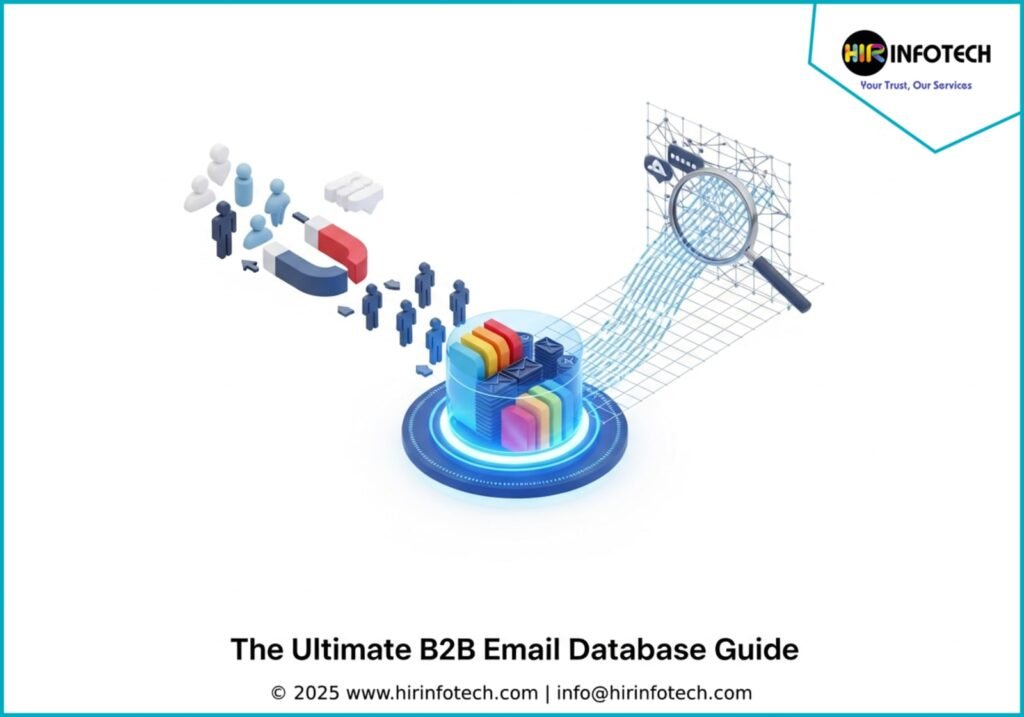
How to Build a Successful B2B Email Database in 2026: A Guide for Data-Driven Companies
In the world of B2B marketing, a robust email database is not just a list of contacts; it’s a direct line to your most valuable prospects and a cornerstone of sustainable growth. With the digital landscape constantly evolving, the strategies for building and maintaining a high-quality email list have become more sophisticated. For mid to large companies that thrive on data, such as those in web scraping and data extraction, having a pristine and responsive email database is paramount. This comprehensive guide will walk you through the latest strategies for 2026, ensuring your efforts are both effective and future-proof.
Why a High-Quality B2B Email Database is Your Greatest Asset
Email marketing consistently delivers one of the highest returns on investment (ROI) of any marketing channel. It provides a direct and personal way to communicate with potential clients, nurture leads, and drive sales. For businesses in the data solutions industry, an email database is more than just a marketing tool; it’s a curated audience actively interested in data-driven insights and services.
Here’s why a meticulously built email database is crucial for your company’s success:
- Direct Communication Channel: Unlike social media platforms governed by algorithms, email offers a direct path to your audience’s inbox.
- Nurture Leads Effectively: The B2B sales cycle is often long and complex. Email marketing allows you to nurture leads over time with valuable content, building trust and keeping your brand top-of-mind.
- Drive High-Value Conversions: By delivering targeted messages to a receptive audience, you can significantly increase conversion rates for your data services.
- Build Brand Authority: Regularly sharing insightful content, case studies, and industry news establishes your company as a thought leader in the data solutions space.
- Monetization Opportunities: A high-quality database can be monetized by promoting a variety of your products and services, from one-off data extraction projects to ongoing web scraping subscriptions.
Organic Strategies for Building Your B2B Email Database
Building your email list organically is the most effective long-term strategy. These are contacts who have willingly opted in to hear from you, making them more engaged and receptive to your messaging.
1. High-Value Gated Content (Lead Magnets)
Offering valuable content in exchange for an email address is a tried-and-true method. For a data-focused audience, this content needs to be exceptionally insightful and actionable.
- In-Depth White Papers and Ebooks: Create comprehensive guides on topics like “The Future of Web Scraping for Competitive Analysis” or “Leveraging External Data for Market Intelligence.”
- Exclusive Case Studies: Showcase real-world examples of how your data solutions have helped clients achieve significant results.
- Industry Reports and Trend Analyses: Position your company as an authority by publishing data-backed reports on trends within your target industries.
- Webinars and Virtual Events: Host live sessions with industry experts to discuss pressing challenges and solutions in the data world. Collect email addresses during the registration process.
Pro-Tip: Strategically place calls-to-action (CTAs) for your gated content throughout your website, including on your homepage, blog posts, and service pages.
2. Optimize Your Website for Lead Capture
Your website is a powerful tool for capturing new email subscribers. Ensure that it’s designed to encourage sign-ups at every relevant touchpoint.
- Prominent Subscription Forms: Include clear and concise sign-up forms in your website’s header, footer, and sidebar.
- Strategic Pop-ups and Slide-ins: Use exit-intent pop-ups to capture the attention of visitors before they leave your site. Trigger slide-in forms as a user scrolls down a page, indicating engagement.
- Dedicated Landing Pages: Create specific landing pages for your lead magnets. These pages should be highly focused on the value of the offer and feature a simple sign-up form.
- Content Upgrades in Blog Posts: Within your blog posts, offer a “content upgrade” – a bonus piece of content, like a checklist or template, that is directly related to the blog post topic.
3. Leverage Social Media Platforms
Social media is an invaluable resource for expanding your reach and driving email sign-ups. LinkedIn, in particular, is a goldmine for B2B lead generation.
- Promote Gated Content: Share your white papers, ebooks, and webinar registrations across your social media channels.
- Run Lead Generation Ads: Utilize LinkedIn and Facebook lead generation ads that allow users to sign up for your email list directly within the platform.
- Engage in Relevant Groups: Participate in industry-specific LinkedIn groups. Share valuable insights and, where appropriate, direct members to your gated content.
- Optimize Your Profiles: Include a link to a dedicated landing page for email sign-ups in your social media bios.
4. Host and Participate in Industry Events
Both virtual and in-person events offer excellent opportunities to connect with your target audience and collect email addresses.
- Host Webinars: As mentioned, webinars are a fantastic way to generate high-quality leads.
- Sponsor Industry Conferences: Sponsoring or exhibiting at industry events puts your brand in front of a highly relevant audience. Use QR codes at your booth to make it easy for attendees to sign up for your newsletter.
- Networking: When networking at events, have a simple way to collect contact information and follow up with a personalized email inviting them to subscribe to your content.
Advanced Strategies: Web Scraping and Data Extraction for List Building
As a company specializing in data solutions, you have a unique advantage in leveraging your own expertise to build a highly targeted email database. Web scraping, when done ethically and responsibly, can be a powerful tool for identifying potential leads.
What is Web Scraping for Lead Generation?
Web scraping is the automated process of extracting data from websites. For lead generation, this involves gathering publicly available information such as company names, contact details, and job titles from sources like online directories, business listings, and professional networking sites. This allows you to build a list of potential leads that fit your ideal customer profile.
Best Practices for Ethical Web Scraping:
- Respect Robots.txt: Always check a website’s `robots.txt` file to see if they have specified any scraping restrictions.
- Scrape Publicly Available Data: Only collect information that is freely accessible to the public. Avoid scraping data that is behind a login or requires a password.
- Don’t Overload Servers: Be mindful of the number of requests you are sending to a website in a short period to avoid disrupting their service.
- Focus on Business Data: Your primary goal is to collect business-related contact information, not personal data.
Once you have a list of potential leads, the next step is to reach out with a personalized and value-driven email. This initial outreach should not be a hard sell but rather an introduction and an offer of valuable content.
The Importance of Data Quality and Segmentation
Building a large email list is only half the battle. The quality of your data and your ability to segment your audience are what will truly drive results.
Why Data Quality is Non-Negotiable
High-quality data is accurate, complete, and up-to-date. Poor data quality can lead to:
- High Bounce Rates: Emails sent to invalid addresses will bounce, which can damage your sender reputation.
- Low Engagement: Inaccurate or outdated information can lead to sending irrelevant content, resulting in low open and click-through rates.
- Wasted Resources: Poor data leads to wasted time and marketing spend on campaigns that are destined to fail.
Best Practice: Regularly clean your email list to remove inactive subscribers and invalid email addresses. Use a double opt-in process to confirm that new subscribers genuinely want to receive your emails.
The Power of Segmentation
Segmentation is the process of dividing your email list into smaller, more targeted groups based on specific criteria. This allows you to send highly personalized and relevant messages to each segment. Effective segmentation can lead to significantly higher open rates, click-through rates, and conversions.
You can segment your B2B email list based on:
- Industry: Tailor your content to address the specific pain points and challenges of different industries.
- Company Size: Small businesses have different needs than large enterprises.
- Job Title/Role: A CEO will be interested in different content than a data analyst.
- Past Behavior: Segment based on which emails they’ve opened, what content they’ve downloaded, or which pages they’ve visited on your website.
- Stage in the Sales Funnel: Send different content to new leads versus those who are further along in the buying process.
The Debate: Building vs. Buying Email Lists
While it may be tempting to purchase a pre-made email list to quickly expand your reach, this approach is fraught with risks and is generally not recommended.
The Pitfalls of Buying Email Lists:
- Low-Quality Data: Purchased lists are often outdated and contain inaccurate information.
- Damage to Sender Reputation: Sending emails to people who have not opted in to hear from you can result in high bounce rates and spam complaints, which will harm your sender reputation and email deliverability.
- Legal Compliance Issues: Sending unsolicited commercial emails can violate regulations like the CAN-SPAM Act and GDPR.
- Lack of Engagement: The recipients on a purchased list have no prior relationship with your brand and are unlikely to be interested in your services.
Building your own opt-in email list is always the superior strategy. It may take more time and effort, but the result is a high-quality, engaged audience that is genuinely interested in what you have to offer.
Optimizing for SEO and AI Engines
In 2026, it’s not enough to just write great content; you also need to ensure that it’s discoverable by search engines and AI-powered answer engines like Gemini, ChatGPT, and Perplexity.
SEO Best Practices:
- Keyword Research: Identify the keywords and phrases your target audience is using to search for data solutions. Incorporate these keywords naturally into your title, headings, and body content.
- Compelling Title and Headings: Your title and subheadings should be concise, informative, and keyword-rich.
- High-Quality Content: Create content that is comprehensive, well-researched, and provides real value to the reader.
- Internal and External Linking: Link to other relevant pages on your website (internal linking) and to authoritative external sources to provide additional value and context.
- Mobile-Friendliness and Page Speed: Ensure your website is optimized for mobile devices and loads quickly.
Demonstrating E-E-A-T (Experience, Expertise, Authoritativeness, and Trust)
Google and other search engines prioritize content that demonstrates high levels of E-E-A-T. Here’s how you can showcase this in your content:
- Experience: Share real-life case studies and personal stories that demonstrate your hands-on experience in the data solutions industry.
- Expertise: Provide in-depth, accurate information that showcases your deep knowledge of the subject matter. Include author bios that highlight the qualifications of your writers.
- Authoritativeness: Build your brand’s reputation by consistently publishing high-quality content and earning mentions from other respected websites in your industry.
- Trustworthiness: Be transparent and honest in your content. Cite your sources and make it easy for users to find your contact information.
By following these SEO and E-E-A-T best practices, you can increase your visibility in search results and establish your brand as a trusted authority in the data solutions space.
Relevant Hashtags for Social Media Promotion:
#B2BMarketing #EmailMarketing #LeadGeneration #DataSolutions #WebScraping #DataExtraction #BigData #MarketingStrategy #DigitalMarketing #SEO
Frequently Asked Questions (FAQs)
1. How long does it take to build a quality B2B email list?
Building a high-quality email list takes time and consistent effort. The speed at which you can grow your list will depend on factors such as the amount of traffic your website receives, the quality of your content, and the effectiveness of your lead capture strategies. Focus on steady, sustainable growth rather than trying to acquire a large number of subscribers quickly.
2. What is a good open rate for a B2B email campaign?
Average B2B email open rates can vary by industry, but a good benchmark to aim for is between 20% and 25%. However, it’s more important to focus on your own trends and work on consistently improving your open rates over time through testing and optimization.
3. How often should I email my B2B list?
The optimal email frequency depends on your audience and the type of content you’re sending. A good starting point is once a week or bi-weekly. It’s important to be consistent without overwhelming your subscribers. You can also give your subscribers the option to choose their preferred email frequency.
4. What are the most important metrics to track for B2B email marketing?
Key metrics to monitor include open rate, click-through rate (CTR), conversion rate, bounce rate, and unsubscribe rate. Tracking these metrics will help you understand what’s working and what’s not, allowing you to optimize your campaigns for better performance.
5. What is the difference between a hard bounce and a soft bounce?
A hard bounce is a permanent delivery failure, usually due to an invalid or non-existent email address. These email addresses should be removed from your list immediately. A soft bounce is a temporary delivery issue, such as a full inbox or a server that is temporarily down. Most email service providers will attempt to resend the email several times before marking it as a soft bounce.
6. How can I improve my email deliverability?
To improve email deliverability, focus on building a clean, opt-in list, using a reputable email service provider, authenticating your domain with SPF, DKIM, and DMARC, and sending high-quality, engaging content that your subscribers want to receive.
7. What is a double opt-in and should I use it?
Double opt-in is a two-step subscription process where a new subscriber must confirm their email address by clicking a link in a confirmation email. While it adds an extra step to the sign-up process, it is highly recommended as it helps to ensure that you are building a list of engaged subscribers with valid email addresses, which improves data quality and deliverability.
Your Partner in Data-Driven Growth
Building a successful B2B email database is an ongoing process that requires a strategic and data-driven approach. By implementing the strategies outlined in this guide, you can build a powerful asset that will fuel your company’s growth for years to come.
At Hir Infotech, we specialize in providing high-quality data solutions, including web scraping and data extraction, to help businesses like yours build a predictable pipeline of qualified leads. Our expertise in data ensures that you have the accurate and reliable information you need to power your marketing and sales efforts.
Ready to take your B2B lead generation to the next level? Contact Hir Infotech today to learn how our data solutions can help you build a thriving email database and achieve your business goals