
Third-Party Data in 2026: Your Secret Weapon for Marketing Success
In today’s competitive business world, smart companies know that data is the key to getting ahead. Quality data can transform a company’s marketing results, helping you understand your customers, personalize your messaging, and ultimately, drive sales.
But where does this valuable data come from? While many businesses are familiar with first-party data (the information they collect directly from their customers), a powerful and often-overlooked resource is third-party data. As we look towards 2026, understanding and leveraging third-party data will be more crucial than ever for any company that relies on web scraping, data extraction, and other data-driven strategies.
This comprehensive guide will break down everything you need to know about third-party data in a way that’s easy to understand, even if you’re not a data scientist. We’ll explore what it is, how it’s changing, and how you can use it to fuel your marketing efforts and achieve significant growth.
First, Second, and Third-Party Data: What’s the Difference?
Before we dive deep into third-party data, let’s quickly clarify the different types of data marketers use:
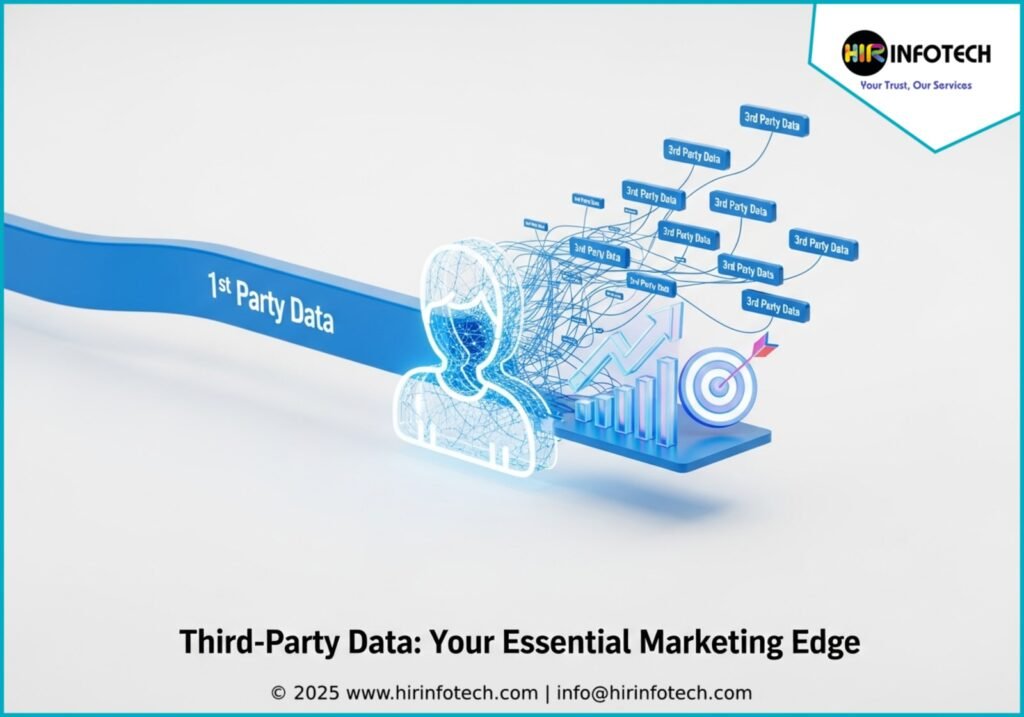
- First-Party Data: This is the information you collect directly from your audience. It includes data from your website analytics, CRM systems, customer feedback, and purchase history. First-party data is highly valuable because it’s accurate, relevant, and you own it.
- Second-Party Data: In simple terms, second-party data is someone else’s first-party data. You acquire it directly from a trusted partner. For example, a hotel chain might partner with an airline to share data about their customers’ travel habits. This can be a great way to expand your reach, but it relies on finding the right partners.
- Third-Party Data: This is data collected by companies that don’t have a direct relationship with the people whose data they are collecting. These data aggregators gather vast amounts of information from various public and private sources, then package and sell it to other businesses.
While first-party data is the foundation of any good marketing strategy, third-party data provides the scale and depth you need to reach new audiences and understand your customers on a whole new level.
The Shifting Landscape of Third-Party Data: Privacy and the Post-Cookie Era
You may have heard that the world of third-party data is in flux. With growing concerns about privacy, regulations like the GDPR and CCPA have given consumers more control over their personal information. Additionally, major web browsers are phasing out third-party cookies, which have long been a primary tool for tracking user behavior across the web.
So, is third-party data on its way out? Not at all. It’s simply evolving. While the reliance on third-party cookies is diminishing, new and innovative methods for collecting and utilizing third-party data are emerging. The focus is shifting towards more transparent and privacy-compliant data sources.
For businesses that rely on data, this means it’s more important than ever to partner with a reputable data solutions provider that understands the evolving regulatory landscape and can provide high-quality, ethically sourced data.
The Undeniable Benefits of Third-Party Data in Modern Marketing
Despite the changing landscape, the benefits of incorporating third-party data into your marketing strategy remain incredibly powerful. Here’s how it can give your business a competitive edge:
Dramatically Expand Your Reach and Discover New Audiences
One of the most significant advantages of third-party data is its sheer scale. It allows you to break free from the limitations of your own customer base and reach entirely new segments of the population. By purchasing data based on demographics, interests, and purchasing intent, you can introduce your brand to potential customers who have never heard of you before. This is especially crucial for businesses looking to expand into new markets or launch new products.
Create Richer, More Detailed Customer Profiles
Third-party data allows you to enrich the first-party data you already have, creating a much more comprehensive and nuanced picture of your customers. For example, you might know what a customer has purchased from you, but third-party data can add layers of information like their household income, hobbies, or recent life events. This deeper understanding enables you to create highly detailed customer personas and tailor your marketing messages for maximum impact.
Achieve Unprecedented Levels of Personalization
In today’s crowded marketplace, personalization is no longer a luxury—it’s an expectation. Third-party data is a key enabler of effective personalization. By understanding your customers’ interests and preferences, you can deliver more relevant content, product recommendations, and advertising. This leads to higher engagement rates, increased customer loyalty, and ultimately, more conversions.
Gain a Deeper Understanding of Market Trends and Your Competitors
Third-party data isn’t just about understanding individual customers; it can also provide valuable insights into broader market trends and your competitive landscape. By analyzing aggregated data, you can identify emerging patterns, preferences, and opportunities in your industry. This allows you to make more informed strategic decisions and stay one step ahead of the competition.
Improve Your Targeting and a Better Return on Your Marketing Investment
By using third-party data to refine your audience targeting, you can ensure that your marketing messages are reaching the people who are most likely to be interested in your products or services. This not only increases the effectiveness of your campaigns but also helps you make the most of your marketing budget by reducing wasted ad spend.
Power Your Data Modeling and Predictive Analytics
For businesses that are serious about data, third-party data is an essential ingredient for advanced data modeling and predictive analytics. By feeding this data into machine learning models, you can forecast market trends, predict customer behavior, and make more accurate business decisions. This predictive capability is invaluable for everything from strategic planning to risk management.
How to Successfully Integrate Third-Party Data with Your First-Party Data
The real magic happens when you combine the power of third-party data with the accuracy and relevance of your first-party data. By merging these two data sources, you can create a truly holistic view of your customers and unlock even greater marketing potential.
Here are some best practices for integrating first- and third-party data:
- Start with a Strong Foundation of First-Party Data: Before you even think about purchasing third-party data, make sure you have a solid strategy for collecting and managing your own first-party data. This will be the foundation upon which you build your enriched customer profiles.
- Choose a Reputable Third-Party Data Provider: Not all third-party data is created equal. It’s crucial to partner with a data provider that is transparent about their data collection methods and compliant with all relevant privacy regulations.
- Use a Customer Data Platform (CDP): A CDP is a powerful tool that can help you consolidate and manage all of your customer data, from both first- and third-party sources. This will make it much easier to create a unified view of your customers and activate your data across all of your marketing channels.
- Continuously Test and Refine Your Approach: The world of data is constantly changing, so it’s important to continuously test and refine your data-driven marketing strategies. By regularly analyzing your results and making adjustments as needed, you can ensure that you’re always getting the most out of your data.
The Future is Data-Driven: Why Your Business Can’t Afford to Ignore Third-Party Data
As we move further into 2026 and beyond, the importance of data in marketing will only continue to grow. Businesses that are able to effectively leverage all available data sources—including first-, second-, and third-party data—will be the ones that thrive in the years to come.
While the methods for collecting and using third-party data are evolving, its fundamental value remains unchanged. It is an indispensable tool for expanding your reach, understanding your customers, and personalizing your marketing efforts at scale.
For mid to large-sized companies that require frequent web scraping, data extraction, and other data-related services, partnering with a trusted data solutions expert is essential. A knowledgeable partner can help you navigate the complexities of the modern data landscape, ensure that you are using data in a compliant and ethical manner, and unlock the full potential of your data to drive business growth.
Ready to harness the power of data for your business?
At Hir Infotech, we specialize in providing comprehensive data solutions, including web scraping, data extraction, and data processing services. Our team of experts can help you acquire the high-quality data you need to fuel your marketing efforts and achieve your business goals.
Contact us today to learn more about how we can help you unlock the power of data and take your business to the next level.
Frequently Asked Questions (FAQs)
1. What is the main difference between first-party and third-party data?
First-party data is the information you collect directly from your customers through your own channels, such as your website or CRM system. Third-party data is collected by other companies and then aggregated and sold to businesses.
2. Is using third-party data still effective with the phase-out of third-party cookies?
Yes, absolutely. While the phase-out of third-party cookies is changing the way some data is collected, there are many other methods for gathering valuable third-party data that are both effective and privacy-compliant. The industry is adapting with new technologies and a greater emphasis on consent-based data.
3. How can I ensure that the third-party data I’m using is compliant with privacy regulations?
The best way to ensure compliance is to work with a reputable third-party data provider that is transparent about their data sources and collection methods. They should be able to provide you with documentation and assurances that their data is collected in accordance with all relevant regulations, such as the GDPR and CCPA.
4. What are some of the key challenges of using third-party data?
Some of the potential challenges of using third-party data include data accuracy, timeliness, and the need to ensure privacy compliance. However, these challenges can be mitigated by working with a high-quality data provider and implementing a robust data management strategy.
5. How can third-party data help with my B2B marketing efforts?
Third-party data can be incredibly valuable for B2B marketing. It can help you identify new business leads, enrich your existing contact data with firmographic information (such as company size and industry), and understand the needs and pain points of your target accounts.
6. What is web scraping and how does it relate to third-party data?
Web scraping is an automated process of extracting data from websites. It is one of the methods that can be used to collect third-party data. For example, a data provider might scrape public websites to gather information about businesses, products, or job listings.
7. How can I get started with using third-party data for my business?
A great first step is to partner with a data solutions expert like Hir Infotech. We can help you identify your data needs, source high-quality third-party data, and develop a strategy for integrating it into your marketing efforts.
#ThirdPartyData #DataDrivenMarketing #MarketingStrategy #BigData #DataAnalytics #LeadGeneration #CustomerAcquisition #MarketingTrends2026 #HirInfotech