How Retailers Can Benefit from Pricing Intelligence in 2026: A Guide for Modern Businesses
In today’s competitive retail landscape, pricing is more than just a number—it’s a science. The rise of e-commerce has created a dynamic marketplace where prices fluctuate in real-time. For mid-to-large companies, understanding and leveraging pricing intelligence is no longer optional; it’s essential for survival and growth. This guide will walk you through the intricacies of pricing intelligence, why it matters for both online and offline channels, and how your business can harness its power to stay ahead in 2026 and beyond.
What is Pricing Intelligence and Why Does It Matter?
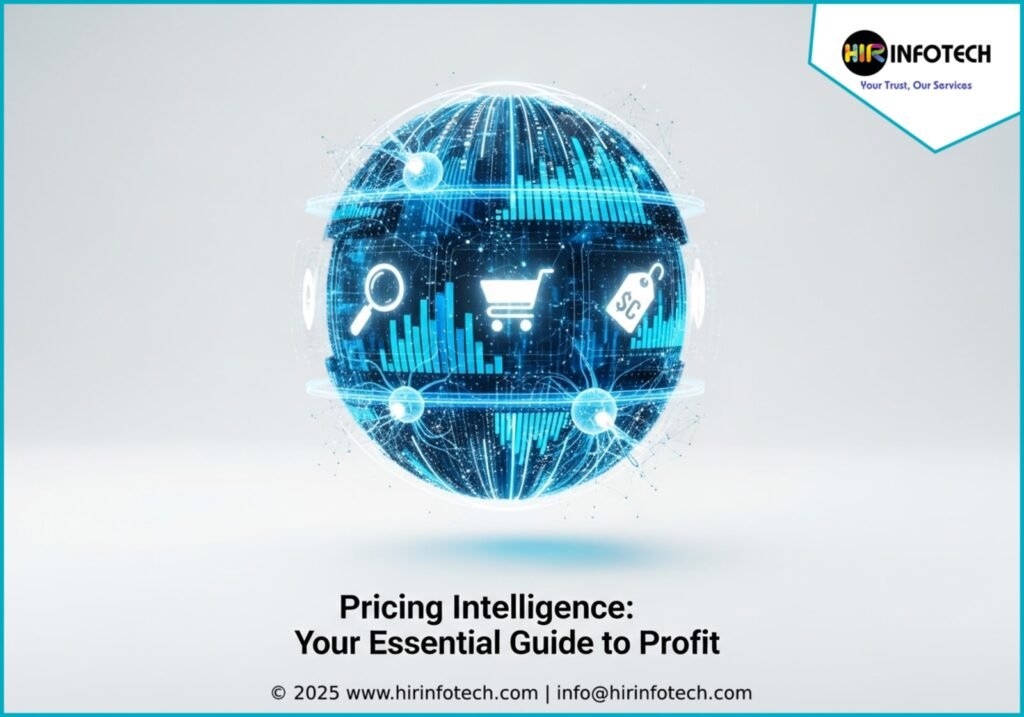
Pricing intelligence is the practice of tracking, analyzing, and acting on pricing data from across the market. It involves monitoring competitor prices, understanding market trends, and using this information to inform your own pricing strategy. For businesses that rely on web scraping, data extraction, and other data-related services, pricing intelligence is a natural extension of their data-driven approach.
The core benefit of pricing intelligence is its ability to provide a clear view of the competitive landscape. With this insight, you can make informed decisions that optimize your pricing for maximum profitability and market share. In a world where consumers can compare prices with a few clicks, having a sophisticated pricing strategy is a key differentiator.
As we look toward 2026, the importance of pricing intelligence will only grow. The retail market is becoming increasingly data-driven, with AI and machine learning playing a larger role in pricing decisions. Businesses that embrace these technologies will be better equipped to adapt to changing market conditions and customer expectations.
The Blurring Lines Between Online and Offline Retail
While e-commerce continues to grow, brick-and-mortar stores are far from obsolete. In fact, the future of retail lies in an integrated omnichannel strategy that seamlessly blends the online and offline experience. This means that your pricing strategy must also be omnichannel, taking into account both digital and physical competitors.
Many consumers now engage in “showrooming,” where they visit a physical store to see a product before purchasing it online at a lower price. Conversely, “webrooming” involves researching products online before buying them in-store. These behaviors highlight the interconnectedness of online and offline channels and the need for a unified pricing approach.
For a truly effective strategy, you need to monitor not just the prices on Amazon and eBay, but also the prices at the local competitor down the street. This is where comprehensive data solutions, like those offered by Hir Infotech, become invaluable. By tracking both online and offline pricing data, you can create a holistic view of the market and make more strategic decisions.
Key Strategies for Leveraging Pricing Intelligence
Now that we’ve established the importance of pricing intelligence, let’s explore some actionable strategies for implementing it in your business.
1. Conduct Thorough Competitor Research
The first step in any pricing intelligence strategy is to identify and analyze your competitors. This includes both direct competitors who sell similar products and indirect competitors who may be vying for the same customer dollars. When conducting your research, consider the following:
- Price Points: What are your competitors charging for similar products? Are there significant variations based on location, channel, or other factors?
- Promotions and Discounts: What types of promotions are your competitors running? How do these affect their overall pricing strategy?
- Product Assortment: What is the breadth and depth of your competitors’ product offerings? Are there gaps in the market that you can fill?
By gathering this data, you can benchmark your own pricing and identify opportunities to differentiate yourself. For example, if you discover that a competitor is consistently priced lower on a certain product, you might choose to compete on other factors, such as quality, service, or convenience.
2. Establish a Strong Brand Identity
Your pricing strategy should be a reflection of your brand identity. Are you a premium brand that competes on quality and exclusivity, or a value brand that competes on price? The answer to this question will guide your pricing decisions and help you attract the right customers.
Consider the example of Apple. The company has built a brand around luxury, innovation, and a seamless user experience. As a result, they are able to command premium prices for their products. This pricing strategy is consistent with their brand identity and reinforces the perception of value in the minds of consumers.
Your brand positioning will determine the role that price plays in your overall marketing mix. If you’re a premium brand, you may not need to engage in aggressive price competition. However, if you’re a value brand, competitive pricing will be a key driver of your success.
3. Embrace Data-Driven Pricing Intelligence
In the age of big data, there’s no excuse for making pricing decisions based on guesswork. With the right tools and expertise, you can leverage data to create a dynamic and responsive pricing strategy. This is where a data solutions partner like Hir Infotech can be a game-changer.
Pricing intelligence platforms can automate the process of data collection and analysis, providing you with real-time insights into the market. These platforms can track competitor prices, monitor market trends, and even recommend optimal price points for your products. By integrating this intelligence into your retail management system, you can make faster, more informed decisions that drive results.
The future of retail pricing is dynamic and automated. As AI and machine learning technologies become more sophisticated, we will see even more advanced pricing models that can adapt to market conditions in real-time. By embracing these technologies now, you can position your business for long-term success.
The Future of Retail Pricing: Trends to Watch in 2026
The retail landscape is constantly evolving, and the world of pricing is no exception. Here are some key trends that will shape the future of retail pricing in 2026 and beyond:
- Hyper-Personalization: As data collection and analysis capabilities improve, we will see a rise in hyper-personalized pricing. This involves tailoring prices to individual customers based on their purchase history, browsing behavior, and other factors.
- Dynamic Pricing: Dynamic pricing, which involves adjusting prices in real-time based on supply and demand, will become more commonplace. This will be enabled by the proliferation of electronic shelf labels and other in-store technologies.
- Subscription Models: Subscription-based pricing models will continue to gain popularity, as they provide a predictable revenue stream for businesses and a convenient, value-driven option for consumers.
- Sustainable Pricing: As consumers become more environmentally conscious, we will see a greater emphasis on sustainable pricing. This may involve charging a premium for eco-friendly products or offering discounts for sustainable behaviors.
By staying on top of these trends, you can ensure that your pricing strategy remains relevant and effective in the years to come.
External Link: For more insights into the future of retail, check out this comprehensive report from Shopify Retail.
Actionable Takeaways for Your Business
Implementing a pricing intelligence strategy may seem daunting, but it doesn’t have to be. Here are some actionable takeaways that you can start implementing today:
- Start with a Competitive Analysis: Identify your key competitors and start tracking their prices. This can be done manually or with the help of a pricing intelligence tool.
- Define Your Brand Positioning: Clarify your brand identity and determine the role that price will play in your overall strategy.
- Invest in Data and Technology: Explore the options for pricing intelligence platforms and consider partnering with a data solutions provider like Hir Infotech.
- Test and Iterate: Don’t be afraid to experiment with different pricing strategies. Use A/B testing and other methods to determine what works best for your business.
By taking these steps, you can start to build a more sophisticated and effective pricing strategy that will drive growth and profitability for your business.
External Link: To learn more about the technical aspects of data extraction, visit PromptCloud’s blog for in-depth articles and tutorials.
Frequently Asked Questions (FAQs)
1. What is the difference between pricing intelligence and price optimization?
Pricing intelligence is the process of gathering and analyzing pricing data, while price optimization is the process of using that data to set the ideal price for a product. In other words, pricing intelligence is the input, and price optimization is the output.
2. How often should I update my prices?
The frequency of price updates will depend on your industry, your competitors, and your overall pricing strategy. In some industries, prices may change on a daily or even hourly basis. In others, they may be more stable. The key is to have a system in place for monitoring the market and making adjustments as needed.
3. What are the legal and ethical considerations of pricing intelligence?
It is important to ensure that your pricing practices are fair, transparent, and in compliance with all applicable laws and regulations. This includes avoiding price-fixing, price discrimination, and other anti-competitive behaviors. It’s also important to be mindful of customer perceptions and to avoid any practices that could be seen as deceptive or unfair.
4. How can I measure the ROI of my pricing intelligence strategy?
The ROI of your pricing intelligence strategy can be measured by tracking key metrics such as sales, revenue, profit margins, and market share. By comparing these metrics before and after implementing your new strategy, you can get a clear picture of its impact on your business.
5. What is the role of AI in pricing intelligence?
AI is playing an increasingly important role in pricing intelligence. AI-powered algorithms can analyze vast amounts of data to identify patterns, predict trends, and recommend optimal price points. This can help businesses to make more informed and effective pricing decisions.
6. How can a company like Hir Infotech help with my pricing strategy?
Hir Infotech is a data solutions provider that specializes in web scraping, data extraction, and other data-related services. We can help you to gather and analyze the data you need to create a winning pricing strategy. Our team of experts can work with you to develop a customized solution that meets your specific needs and goals.
7. What are the four main pricing strategies?
The four main pricing strategies are cost-plus pricing, competition-based pricing, value-based pricing, and dynamic pricing. Each of these strategies has its own advantages and disadvantages, and the best approach will depend on your specific business and market conditions.
Ready to Take Your Pricing Strategy to the Next Level?
In today’s data-driven world, a sophisticated pricing strategy is no longer a luxury—it’s a necessity. By leveraging the power of pricing intelligence, you can gain a competitive edge, optimize your profitability, and position your business for long-term success. If you’re ready to unlock the full potential of your pricing, Hir Infotech is here to help.
Contact us today to learn more about our data solutions and how we can help you create a winning pricing strategy for 2026 and beyond. Our team of experts is standing by to answer your questions and help you get started on the path to pricing excellence.
#PricingIntelligence #RetailStrategy #DataSolutions #CompetitivePricing #PriceOptimization #RetailTrends2026 #HirInfotech #DataAnalytics