
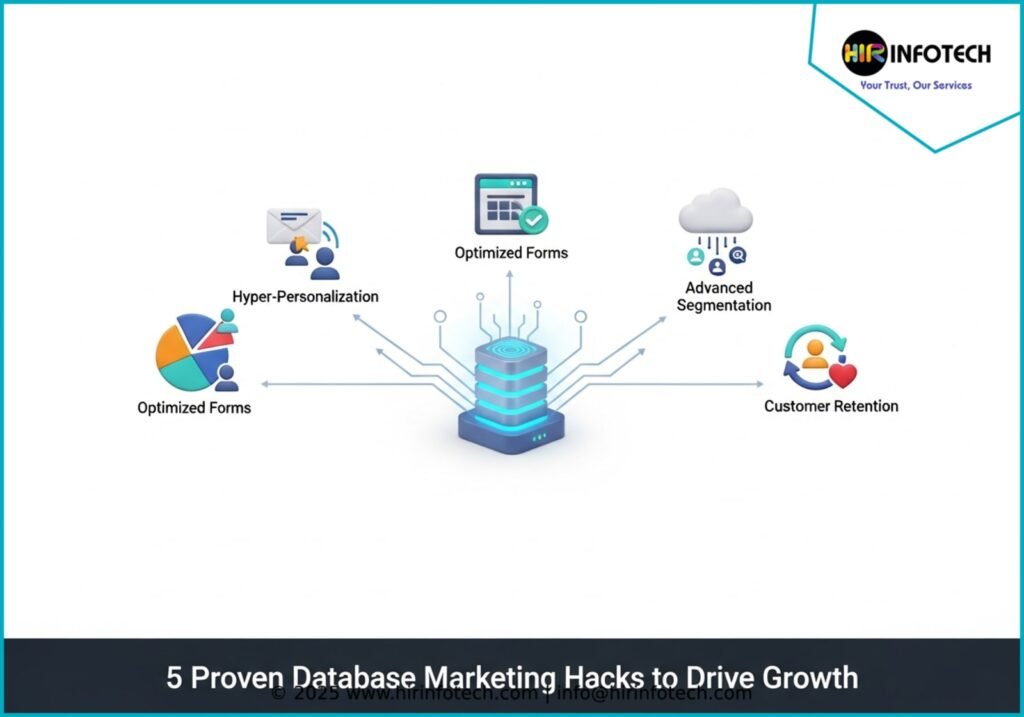
Fixing Your Database Marketing With Inventive Hacks
Unlock the Power of Your Data with These Proven Strategies
In today’s data-driven world, your customer database is your most valuable marketing asset. But are you truly maximizing its potential? Outdated or irrelevant data can sabotage your marketing efforts, leading to wasted resources and missed opportunities. The key to success lies in not just collecting data, but in using it intelligently. This is where inventive database marketing hacks come into play. As a marketer, understanding and implementing these strategies can transform your campaigns from generic noise into highly effective, personalized conversations that drive results.
This comprehensive guide will walk you through the most effective techniques to revitalize your database marketing. We’ll explore how to personalize your outreach, streamline your data collection, and leverage segmentation to its fullest potential. You’ll also discover the latest trends in data solutions for 2026, ensuring your strategies are future-proof. By the end of this post, you’ll have a clear roadmap to building a robust, responsive, and profitable database marketing engine for your business.
1. Supercharge Your Campaigns with Hyper-Personalized Email Marketing
Generic, one-size-fits-all email blasts are a relic of the past. In the modern marketing landscape, personalization is not just a trend; it’s a necessity. Consumers are inundated with marketing messages, and only the most relevant and engaging content will capture their attention. Personalized emails deliver just that, creating a one-to-one connection that resonates with your audience and drives higher engagement.
A study revealed that a staggering majority of companies found that non-personalized email advertisements had a response rate of less than 3%. Not only are they less effective, but they are also significantly more expensive, costing 3.6 times more than personalized campaigns. The ROI on personalization is clear. By tailoring your messages to the individual needs and interests of your subscribers, you can dramatically increase open rates, click-through rates, and ultimately, conversions.
The B2B purchasing journey adds another layer of complexity. Unlike B2C, where the decision-maker is often an individual, B2B sales typically involve multiple stakeholders. You have the end-user, the mid-level manager, and the C-level executive, each with their own unique set of priorities and pain points. Your email marketing needs to address all of them. By segmenting your B2B audience based on their roles and responsibilities, you can craft targeted messages that speak directly to their specific needs, increasing the likelihood of engaging all the key players in the decision-making process.
2. Simplify and Optimize Your Lead Capture Forms
Your lead capture form is the gateway to new customers. It’s the first point of data collection and a critical component of your database marketing strategy. However, a poorly designed form can be a major roadblock, deterring potential leads and costing you valuable business. If your form is too long, complicated, or intrusive, users are likely to abandon it halfway through.
In the fast-paced world of B2B, professionals have packed schedules filled with crucial meetings and demanding tasks. They don’t have time to fill out lengthy questionnaires. The key is to make the process as seamless and effortless as possible. Your lead capture form should be a simple, user-friendly questionnaire that gathers only the most essential information. Think quality over quantity. Focus on collecting the data points that are most critical for qualifying and nurturing leads.
To further enhance the user experience and boost conversion rates, integrate your lead capture forms with your landing pages. This creates a cohesive and streamlined journey for your visitors. You can also leverage progressive profiling, a technique where you gradually collect more information about a lead over time. This allows you to build a comprehensive customer profile without overwhelming them with a long initial form. For more insights on optimizing your lead capture forms, check out this in-depth guide from WordStream.
3. Unlock Deeper Insights with Advanced Customer Segmentation
Segmentation has always been a cornerstone of effective marketing, and its importance is amplified in database marketing. Simply collecting data is not enough; you need to organize and analyze it to uncover actionable insights. Segmentation is the process of dividing your audience into distinct groups based on shared characteristics, such as demographics, behavior, and interests. Without proper segmentation, your data is just a jumble of information, incapable of driving a targeted and effective marketing strategy.
Understanding where a customer is in their buying journey is crucial. Are they a new lead just starting their research? A loyal customer ready for an upsell? Or a dormant user who needs to be re-engaged? By segmenting your audience based on their lifecycle stage, you can deliver the right message at the right time. Many businesses make the mistake of treating their entire audience as a monolithic entity, only starting to segment them at the very end of the sales cycle. This is a missed opportunity. A proactive approach to segmentation allows you to nurture leads more effectively and guide them through the sales funnel.
Go beyond basic demographics. Dive deeper into psychographics, such as interests, preferences, and motivations. Analyze their past purchase history, website behavior, and engagement with your marketing campaigns. The more granular your segmentation, the more personalized and effective your marketing will be. This deep understanding of your customer segments is the key to interpreting their data and identifying any informational gaps, allowing you to continually refine your strategy.
4. Expand Your Reach with External Database Sources
Your internal database is a powerful asset, but it’s not the only source of valuable customer data. By tapping into external database sources, you can significantly expand your reach and connect with new, highly targeted audiences. Social media platforms, in particular, offer a wealth of data that can be leveraged for direct marketing. Facebook, with its vast user base and sophisticated targeting capabilities, is an excellent example.
Businesses can tap into Facebook’s rich customer data to run highly targeted advertising campaigns. Facebook lead ads, for instance, allow you to create simple forms that are pre-filled with a user’s Facebook contact information, making it incredibly easy for them to express interest in your products or services. You can also build a subscriber list on Facebook Messenger, allowing you to engage with potential customers in a more conversational and personalized way.
Beyond social media, there are numerous other external data sources you can explore. Data brokers and list providers can offer access to targeted lists of potential customers based on specific criteria. Industry-specific databases and directories can also be a valuable source of leads. When using external data sources, it’s crucial to ensure the data is accurate, up-to-date, and ethically sourced. Always prioritize data quality and compliance with privacy regulations. For a deeper dive into leveraging external data, explore this resource from Forbes.
5. Cultivate Loyalty and Drive Growth with Customer Retention
Acquiring new customers is essential for business growth, but retaining your existing customers is just as, if not more, important. Your loyal customers are the bedrock of your success. They are more likely to make repeat purchases, spend more over time, and become brand advocates. The data consistently shows that it’s far more costly and challenging to acquire a new customer than to retain an existing one.
Therefore, a significant portion of your database marketing efforts should be focused on customer retention. Stay in regular contact with your existing customers. Provide them with valuable content, exclusive offers, and exceptional customer service. Make them feel appreciated and valued. A simple yet effective strategy is to offer a premium service or an exclusive discount for a month after their initial purchase. This not only encourages repeat business but also provides an opportunity to upsell them to higher-tier products or services.
Analyze your customer data to identify at-risk customers and implement proactive retention strategies. Look for patterns in their behavior that may indicate they are about to churn. By intervening early with targeted offers and personalized communication, you can significantly improve your customer retention rate. A strong customer retention strategy is not just about preventing churn; it’s about cultivating long-term relationships that drive sustainable growth.
Top Database Marketing Case Studies: Facebook’s Data-Driven Success
Facebook is a prime example of a company that has mastered the art of database marketing on a massive scale. Their entire business model is built on collecting and leveraging user data. By segmenting users based on a vast array of data points, including last name, first name, location, gender, interests, date of birth, contact information, and email address, Facebook is able to deliver a highly personalized user experience. This benefits not only the users but also the millions of advertisers who rely on Facebook’s platform to reach their target audience.
With data on over 2 billion users, Facebook has created a marketing powerhouse. The company’s initial goal was to connect people with their friends and family, but they quickly realized the immense value of the data they were collecting. By sharing this data with nearly 5 million advertisers, they have created a highly effective and profitable advertising ecosystem. This case study highlights the incredible power of a well-managed and strategically leveraged customer database.
The Future of Database Marketing: A Glimpse into 2026
The world of data is constantly evolving, and the database marketing landscape of 2026 will look significantly different from today. One of the most significant trends is the continued migration to the cloud. It is projected that by 2026, 75% of all databases will be cloud-based. Cloud database management systems offer unparalleled flexibility and scalability, allowing businesses to store and manage vast amounts of data using a variety of data models, including relational and non-relational databases.
Artificial intelligence (AI) and machine learning (ML) will also play an increasingly important role in database marketing. AI-powered tools can analyze vast datasets to identify patterns and predict customer behavior with incredible accuracy. This will enable marketers to create even more personalized and targeted campaigns. Another key trend is the growing importance of data privacy and security. With regulations like GDPR and CCPA becoming more stringent, businesses will need to prioritize ethical data handling practices and transparent data governance.
Frequently Asked Questions (FAQs)
1. What are the three main types of data in marketing?
Marketers primarily focus on three categories of data: customer data, financial data, and operational data. Customer data includes demographic, behavioral, and transactional information. Financial data provides insights into sales, revenue, and profitability. Operational data relates to the efficiency and effectiveness of your marketing processes.
2. What are some popular database examples?
There is a wide variety of databases available, each with its own strengths and weaknesses. Some of the most popular examples include SQL Server, MySQL, Oracle Database, PostgreSQL, and MongoDB. The best choice for your business will depend on your specific needs and technical requirements.
3. What is the future of database technology?
The future of database technology is in the cloud. Cloud databases offer greater flexibility, scalability, and cost-effectiveness compared to on-premise solutions. We can also expect to see a continued rise in the popularity of NoSQL databases, which are well-suited for handling large volumes of unstructured data.
4. How can I improve my data quality?
Improving data quality is an ongoing process that requires a combination of technology and best practices. Regularly clean and de-duplicate your database. Implement data validation rules to prevent inaccurate data from being entered. Use data enrichment services to append missing information to your customer profiles.
5. What are the benefits of database marketing?
The benefits of database marketing are numerous. It allows you to deliver highly personalized and targeted marketing messages, which leads to higher engagement and conversion rates. It also helps you to better understand your customers, improve customer retention, and make more data-driven business decisions.
6. How can web scraping help my database marketing?
Web scraping can be a powerful tool for enriching your customer database. It allows you to automatically extract data from websites and other online sources. This can be used to gather competitor intelligence, track industry trends, and find new leads. However, it’s crucial to ensure your web scraping activities are ethical and compliant with all applicable laws and regulations.
7. Why is data segmentation so important?
Data segmentation is the foundation of effective database marketing. It allows you to divide your audience into smaller, more manageable groups based on shared characteristics. This enables you to create targeted marketing campaigns that resonate with each specific segment, leading to better results and a higher return on investment.
Ready to Revolutionize Your Database Marketing?
Unlocking the full potential of your customer data is the key to staying ahead in today’s competitive landscape. At Hir Infotech, we specialize in providing cutting-edge data solutions, including web scraping, data extraction, and database management. Our team of experts can help you build a robust and actionable database that fuels your marketing success. Contact us today for a free consultation and discover how we can help you transform your data into your most powerful marketing asset.
#DatabaseMarketing #DataSolutions #MarketingHacks #LeadGeneration #CustomerRetention #DataDrivenMarketing #SEO #DigitalMarketing