Mastering Dynamic Pricing in 2026: A Guide to Leveraging Web Data for Smarter Strategies
In the fast-paced world of e-commerce, staying competitive requires more than just a great product. It demands intelligent, responsive pricing. Enter dynamic pricing, a strategy that adjusts the cost of your offerings in real-time based on a host of factors. When powered by fresh, accurate web data, this approach can transform your revenue and market position. For mid to large-sized companies managing vast amounts of data, harnessing web scraping and data extraction is no longer a luxury—it’s a necessity.
This guide will demystify dynamic pricing and show you how to leverage web data to your advantage. We’ll explore actionable strategies that are easy for a non-technical audience to understand, backed by the latest insights for 2026. Get ready to turn data into your most powerful pricing tool.
What is Dynamic Pricing, and Why Does It Matter in 2026?
Dynamic pricing, also known as real-time pricing or surge pricing, is a strategy where prices for products or services change in response to real-time market demands. Think of how airline ticket prices fluctuate based on the booking date, or how ride-sharing services cost more during peak hours. The same principles apply to e-commerce, allowing businesses to optimize prices for maximum profitability.
In 2026, the e-commerce landscape is more competitive than ever. Static, one-size-fits-all pricing is a relic of the past. Today’s market leaders utilize sophisticated algorithms and AI to analyze vast datasets and make instantaneous pricing adjustments. This allows them to react to competitor moves, shifts in consumer demand, and even their own inventory levels with incredible agility. For companies dealing with large volumes of data, this is where the power of web scraping and data extraction comes into play. By gathering real-time data from across the web, you can fuel a dynamic pricing engine that keeps you one step ahead of the competition.
The Core Idea: Aligning Price with Value and Demand
At its heart, dynamic pricing is about finding the sweet spot between what a customer is willing to pay and your own business objectives. Every company has a unique strategy, but the ultimate goal is to maximize revenue without alienating customers. This requires a deep understanding of market dynamics and customer behavior.
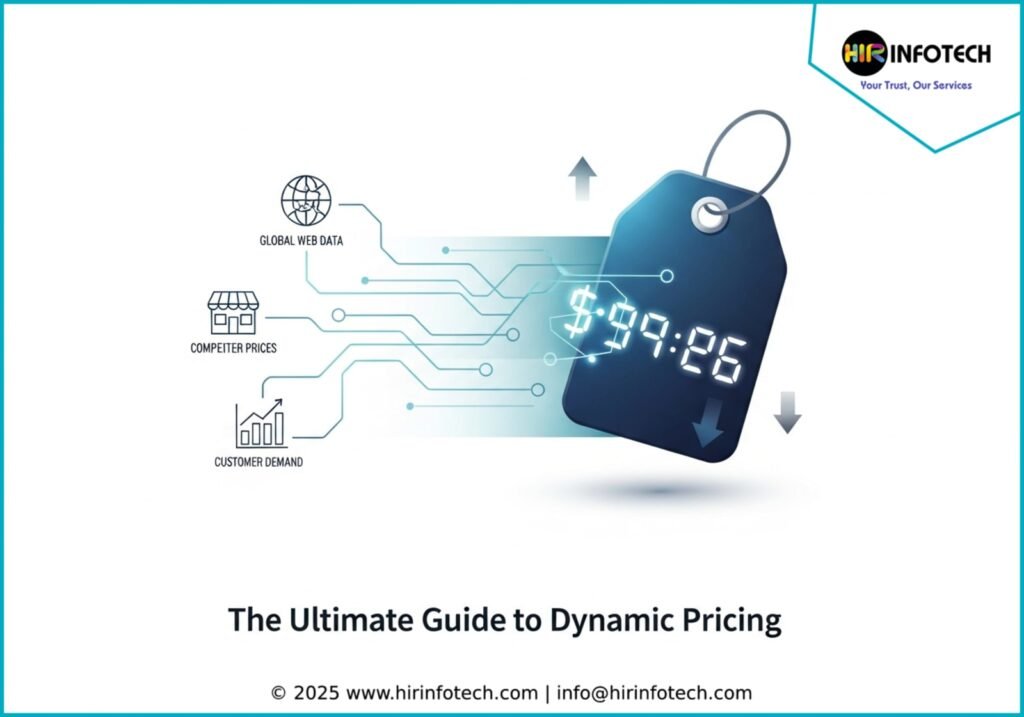
Web data provides the crucial insights needed to make these informed decisions. It allows you to see what your competitors are charging, understand how demand for your products is trending, and even gauge customer sentiment. With this information, you can set prices that are not only competitive but also reflect the true value of your offerings.
Harnessing Web Data: The Engine of Your Dynamic Pricing Strategy
A negative website experience can drive customers away in an instant. This includes everything from slow loading times to, you guessed it, pricing that feels unfair or out of sync with the market. Web data is your key to ensuring your prices align with customer expectations and website popularity. By monitoring key metrics, you can prevent customers from abandoning your products for a better deal elsewhere.
Here’s how you can use web data to power your dynamic pricing strategy:
1. Stay Ahead of the Competition with Real-Time Price Monitoring
One of the most powerful applications of web data is the ability to monitor your competitors’ pricing in real-time. Manually checking competitor websites is not only time-consuming but also prone to errors. Automated web scraping solutions can gather this data for you, providing an up-to-the-minute view of the competitive landscape.
With this data, you can:
- Benchmark your prices: See how your pricing compares to your direct competitors for similar products. This allows you to identify opportunities to strategically lower your prices to attract more customers or justify a higher price point based on superior quality or service.
- React to competitor promotions: Get instant alerts when a competitor launches a sale or special offer. This allows you to respond quickly with your own promotions to avoid losing market share.
- Identify pricing trends: Analyze historical pricing data to identify patterns and predict future competitor moves. This proactive approach allows you to stay ahead of the curve and make more strategic pricing decisions.
For a deeper dive into how web scraping can be used for competitive analysis, check out this comprehensive guide from BizBot.
2. Predict and Capitalize on Shifts in Demand
Web data can provide invaluable insights into consumer demand. By analyzing search trends, social media conversations, and website traffic, you can anticipate when demand for certain products is likely to rise or fall. This allows you to proactively adjust your prices to maximize revenue.
Consider these scenarios:
- Seasonal trends: For a retailer selling seasonal goods, web data can help predict the start and peak of demand. You can then adjust prices accordingly, increasing them as demand rises and offering discounts to clear out inventory at the end of the season.
- Sudden surges in interest: A product might suddenly go viral due to a social media trend or a celebrity endorsement. Web data can help you spot these surges in real-time, allowing you to increase prices to capitalize on the heightened demand.
- External factors: Events like holidays, weather patterns, or even news stories can impact consumer behavior. By monitoring relevant web data, you can adjust your pricing strategy in response to these external variables.
3. Understand Your Customers on a Deeper Level
Web data can also help you gain a more nuanced understanding of your own customers. By analyzing their on-site behavior, you can identify different customer segments and tailor your pricing strategies accordingly.
Here’s what you can learn:
- Price sensitivity: By tracking how different customer segments respond to price changes, you can determine their price sensitivity. This allows you to offer targeted discounts to price-sensitive customers without cannibalizing revenue from those who are willing to pay more.
- Purchase history: Analyzing a customer’s past purchases can reveal their preferences and buying habits. You can use this information to offer personalized promotions and product recommendations.
- Customer lifetime value: By understanding the long-term value of a customer, you can make more strategic decisions about how much to invest in acquiring and retaining them. This might include offering exclusive discounts or loyalty rewards to your most valuable customers.
For more on building customer-centric strategies, explore the insights on customer data platforms from our partners at Segment.
Building a Robust Data Infrastructure
To effectively leverage web data for dynamic pricing, you need a robust and reliable data infrastructure. This is where a trusted data solutions partner like Hir Infotech comes in. We specialize in providing high-quality, customized web scraping and data extraction services to mid and large-sized companies.
Our expertise ensures that you have access to the clean, structured, and timely data you need to fuel your dynamic pricing engine. We handle the complexities of data extraction, so you can focus on what you do best: making strategic business decisions.
Establishing E-E-A-T: Your Key to Credibility
In the world of data solutions, trust is paramount. Google’s E-E-A-T (Experience, Expertise, Authoritativeness, and Trustworthiness) guidelines are a crucial framework for building credibility with both search engines and your audience.
Here’s how we embody these principles:
- Experience: We have years of hands-on experience in the data solutions industry, helping countless businesses harness the power of web data. Our case studies and client testimonials speak to our proven track record.
- Expertise: Our team is comprised of data experts who are passionate about what they do. We stay at the forefront of industry trends and technologies to provide our clients with the most effective solutions.
- Authoritativeness: We are recognized as a leading provider of data solutions. Our blog is a go-to resource for industry insights, and we are frequently cited by other authoritative publications.
- Trustworthiness: We are committed to ethical data practices and transparency. Our clients trust us to handle their data with the utmost care and professionalism. To learn more about ethical web scraping, this article from Zyte is an excellent resource.
By consistently demonstrating E-E-A-T, we build lasting relationships with our clients and establish ourselves as a trusted partner in their success. #DataSolutions #WebScraping #DynamicPricing #DataExtraction #BigData
Frequently Asked Questions (FAQs)
1. What is the difference between dynamic pricing and personalized pricing?
While both involve adjusting prices, dynamic pricing is based on broad market factors like demand and competition. Personalized pricing, on the other hand, is tailored to individual customers based on their specific data and behavior.
2. Is dynamic pricing legal and ethical?
Dynamic pricing is legal, but it’s essential to be transparent with your customers about your pricing policies. Avoid discriminatory pricing practices that could be perceived as unfair. The key is to use data to provide value, not to take advantage of customers.
3. What are the biggest challenges of implementing dynamic pricing?
The main challenges include gathering and analyzing large volumes of data, developing sophisticated pricing algorithms, and ensuring that your pricing strategy aligns with your overall business goals. Partnering with a data solutions expert can help you overcome these hurdles.
4. How can I get started with web scraping for dynamic pricing?
The first step is to identify the data you need and the websites you want to scrape. Then, you’ll need to choose a web scraping tool or service. For large-scale or complex data extraction needs, it’s often best to work with a specialized provider like Hir Infotech.
5. What kind of ROI can I expect from implementing a dynamic pricing strategy?
The return on investment can be significant. Businesses that effectively use dynamic pricing can see substantial increases in both revenue and profit margins. The exact ROI will depend on your industry, competitive landscape, and the sophistication of your pricing strategy.
6. How does AI and machine learning play a role in dynamic pricing?
AI and machine learning are at the core of modern dynamic pricing systems. These technologies can analyze massive datasets, identify complex patterns, and make highly accurate predictions about future market behavior. This enables businesses to automate their pricing decisions and achieve a level of precision that would be impossible with manual analysis.
7. Will dynamic pricing alienate my customers?
This is a valid concern. The key to avoiding customer backlash is transparency and fairness. If customers understand why prices are changing (e.g., due to high demand or limited availability), they are more likely to accept it. It’s also important to avoid making drastic or frequent price changes that could be perceived as manipulative.
Ready to Revolutionize Your Pricing Strategy?
In 2026, leveraging web data for dynamic pricing is no longer an option—it’s essential for survival and growth. By embracing this data-driven approach, you can gain a significant competitive advantage, maximize your revenue, and build stronger relationships with your customers.
Don’t let the complexities of data hold you back. Contact Hir Infotech today to learn how our expert web scraping and data extraction services can provide you with the fuel you need to power a winning dynamic pricing strategy. Let us help you turn data into your most valuable asset. #BusinessGrowth #TechTrends #DataAnalytics #EcommerceSuccess #DigitalTransformation