Unlocking Business Intelligence: How to Extract Information from Blogs in 2026
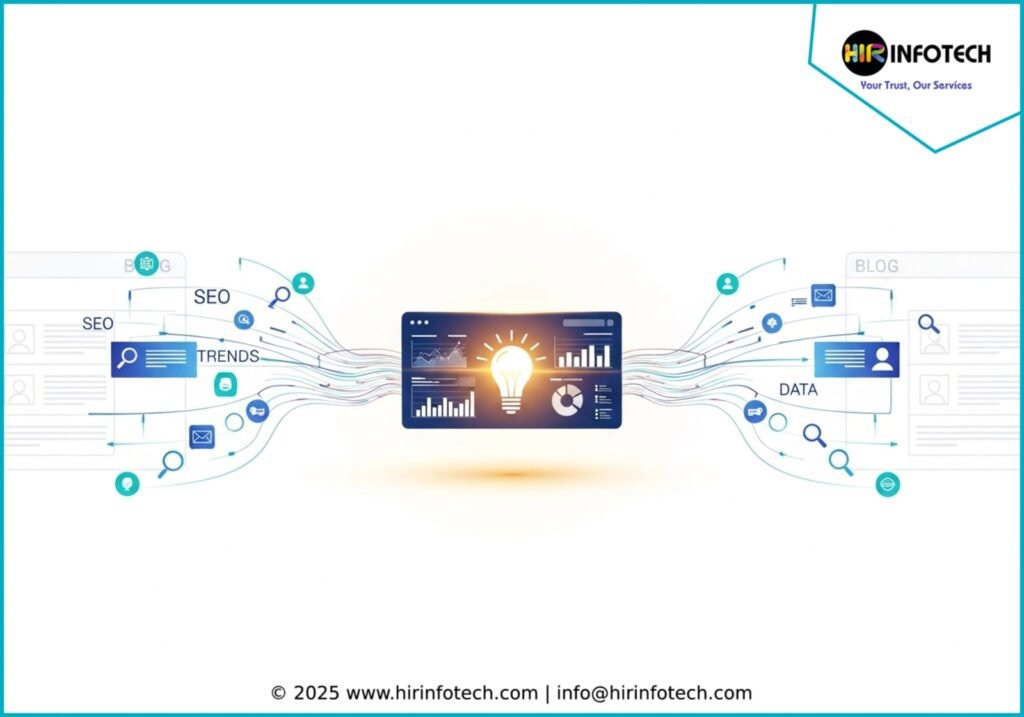
In the fast-paced digital landscape, content is king. For businesses, blogs have become an indispensable part of any robust content marketing strategy. The consistent publication of blog posts not only drives traffic to your website but also creates a treasure trove of data. This data holds the key to unlocking new trends, identifying popular topics, discovering competitive SEO keywords, and gaining other invaluable insights. The process of systematically gathering this blog data is known as web scraping, and it can open up a world of commercial opportunities for your company.
This comprehensive guide will walk you through the essentials of blog scraping, its benefits, and how your business can leverage this powerful technique to make data-driven decisions. We’ll explore the various methods of data extraction, from manual approaches to sophisticated professional services, and delve into the latest industry trends for 2026, all explained in a way that’s easy for a non-technical audience to understand.
What is Blog Scraping and Why is it a Game-Changer for Businesses?
At its core, blog scraping is the automated process of extracting large amounts of data from websites. Think of it as a high-speed, digital librarian that can read, categorize, and organize information from thousands of blog posts in a fraction of the time it would take a human. For mid to large-sized companies, where the sheer volume of data can be overwhelming, this is a revolutionary capability.
The internet is a dynamic ocean of information, and blogs are a significant current within it. By tapping into this current, businesses can gain a real-time understanding of their industry, competitors, and customers. This isn’t just about collecting data; it’s about transforming raw information into actionable intelligence that can inform your marketing strategies, product development, and overall business direction.
The Chronological Advantage of Blog Data
A unique feature of blog posts is that they almost always include a publication date. This chronological context is incredibly valuable. When you scrape blog data, you’re not just getting a snapshot of the present moment. You are, in effect, creating a timeline of conversations, trends, and sentiments. This allows you to track the evolution of topics, see what’s gaining traction, and identify what is no longer relevant to your audience.
The Tangible Benefits of Blog Scraping for Your Company
Why should your company invest in blog scraping? The reasons are numerous and impactful. In general, blog scraping is an exceptional method for monitoring your industry and keeping a close eye on your competition. It also allows you to track mentions of your own brand, products, and services across the web.
Here are some of the key advantages:
- Competitive Analysis: Gain a deep understanding of your competitors’ content strategies. By analyzing their blog posts, you can identify the keywords they’re targeting, the topics they’re focusing on, and the overall sentiment of their content. This intelligence can help you refine your own SEO and content marketing efforts to gain a competitive edge.
- Market Research and Trend Analysis: Blogs are often the first place new trends and ideas emerge. By scraping relevant industry blogs, you can identify these nascent trends before they become mainstream. This allows you to be a first-mover, positioning your company as an innovative leader.
- SEO Keyword Discovery: Uncover the language your customers are using. By analyzing the content of popular blogs in your niche, you can identify long-tail keywords and semantic variations that you might have otherwise missed. This can significantly improve your website’s ranking in search engine results.
- Content Ideation and Strategy: Never run out of blog post ideas again. By scraping popular blogs and online forums, you can identify the questions your target audience is asking and the topics they’re most interested in. This data-driven approach to content creation ensures that you’re always providing value to your readers.
- Reputation Management: Monitor what people are saying about your brand online. Blog scraping allows you to track mentions of your company, products, and key personnel, giving you the opportunity to respond to feedback and manage your online reputation proactively.
Navigating the Methods of Blog Scraping: From Manual to Automated
There are several ways to approach blog scraping, each with its own set of advantages and disadvantages. The right method for your company will depend on your specific needs, resources, and technical expertise.
The Manual Method: A Labor of Love (and Time)
The most basic form of data extraction is the manual copy-and-paste method. This involves physically visiting each blog post, highlighting the desired information, and pasting it into a spreadsheet or document. While this approach requires no special tools, it is incredibly time-consuming and prone to human error. Furthermore, you’re likely to end up with a lot of “junk” data, such as advertisements and unwanted page elements, that will need to be cleaned up later.
DIY Scraping Tools: For the Hands-On Approach
For those with a bit more technical know-how, there are numerous do-it-yourself web scraping tools available. These tools, which can be either open-source or commercial, offer a more efficient and accurate way to extract data compared to the manual method. With a DIY tool, you can expect to receive clean, structured data. However, managing a large-scale blog scraping campaign on your own can still be a significant investment of time and resources. You’ll need to handle things like IP rotation, CAPTCHA solving, and website structure changes, which can be complex and time-consuming.
Professional Scraping Services: The Effortless Path to Actionable Data
For mid to large companies that require frequent and large-scale data extraction, partnering with a professional data solutions provider like Hir Infotech is the most efficient and effective option. With a professional service, you can completely offload the complexities of web data extraction. You simply define your data requirements, and the service delivers a comprehensive, structured database in your preferred format, such as CSV, JSON, or XML.
Expert services leverage advanced technologies and a team of skilled professionals to ensure that your data is not only accurate and clean but also delivered in a timely manner. This allows your team to focus on what they do best: analyzing the data and making strategic business decisions.
The Future is Now: The Impact of AI on Data Extraction in 2026
The data solutions industry is constantly evolving, and by 2026, Artificial Intelligence (AI) will play an even more significant role in web scraping. AI-powered scraping tools are becoming increasingly sophisticated, capable of understanding the context and structure of a webpage much like a human would. This means they can adapt to changes in a website’s layout automatically, reducing the need for manual intervention and ensuring a more reliable and consistent data feed.
AI is also transforming how we analyze the extracted data. Natural Language Processing (NLP), a branch of AI, can be used to understand the sentiment of a blog post, identify key themes and topics, and even summarize large volumes of text. This allows businesses to move beyond simple data collection to true data understanding, unlocking deeper and more nuanced insights.
Building Topical Authority and E-E-A-T Through Data-Driven Content
In the world of SEO, topical authority is paramount. It refers to the perceived expertise of your website on a particular subject. By consistently creating high-quality, in-depth content that covers a topic from all angles, you can establish your website as a go-to resource, which in turn leads to higher search engine rankings. Google’s E-E-A-T (Experience, Expertise, Authoritativeness, and Trust) guidelines further emphasize the importance of credible, well-researched content.
Blog scraping is a powerful tool for building topical authority. By analyzing the top-ranking content in your niche, you can identify the key subtopics, questions, and themes that you need to cover in your own content. This data-driven approach ensures that your content is comprehensive, relevant, and authoritative, helping you to build trust with both your audience and search engines.
What to Do After You’ve Extracted the Data: Turning Information into Action
Extracting data is only the first step. The real value lies in how you use that data to inform your business strategy. Here are some actionable ways to leverage your scraped blog data:
- Refine Your Editorial Calendar: Use the insights from your data to plan your content calendar. Focus on the topics and keywords that are most relevant to your audience and have the highest potential for ranking in search results.
- Enhance Your Product Development: Analyze customer feedback and reviews from blogs to identify areas for improvement in your products and services. You can also identify unmet needs in the market that could lead to new product ideas.
- Inform Your Marketing Campaigns: Understand the language and pain points of your target audience to create more effective marketing messages. You can also identify key influencers and thought leaders in your industry for potential collaborations.
- Monitor Your Brand Health: Keep a pulse on the conversations happening around your brand. Address any negative sentiment promptly and amplify positive mentions to enhance your brand’s reputation.
For more in-depth information on the legal and ethical considerations of web scraping, we recommend consulting resources like the Electronic Frontier Foundation and staying informed about regulations such as GDPR and CCPA.
Your Partner in Data-Driven Success
In the data-driven world of 2026, the ability to efficiently and effectively extract and analyze information from blogs is no longer a luxury—it’s a necessity. At Hir Infotech, we specialize in providing cutting-edge data solutions that empower businesses to unlock the full potential of their data. Our team of experts is dedicated to delivering high-quality, actionable insights that will help you stay ahead of the competition and achieve your business goals.
Ready to transform your data into a strategic asset? Contact Hir Infotech today to learn more about our professional data extraction services.
Frequently Asked Questions (FAQs)
1. Is it legal to scrape data from blogs?
Web scraping itself is not illegal. However, it’s crucial to be aware of and comply with the terms of service of the websites you are scraping, as well as data privacy regulations like the General Data Protection Regulation (GDPR) and the California Consumer Privacy Act (CCPA). It’s always best to consult with a legal professional to ensure your data scraping activities are compliant.
2. What is the difference between web scraping and web crawling?
Web crawling is the process of systematically browsing the web to index and discover new pages, which is what search engines like Google do. Web scraping, on the other hand, is the process of extracting specific data from those pages. In essence, a crawler finds the information, and a scraper extracts it.
3. Can I scrape data from websites that require a login?
Scraping data from behind a login is technically possible, but it often violates the website’s terms of service. It also raises ethical and privacy concerns, especially if you are accessing personal data. It is generally recommended to only scrape publicly available information.
4. What are some of the challenges of web scraping?
Some common challenges of web scraping include dealing with websites that frequently change their structure, handling dynamic content that is loaded with JavaScript, and navigating anti-scraping measures like CAPTCHAs and IP blocking.
5. How can I ensure the quality of the data I scrape?
Data quality is crucial for any data-driven initiative. To ensure the quality of your scraped data, it’s important to have a robust data validation and cleaning process in place. This can involve things like removing duplicate entries, correcting formatting errors, and verifying the accuracy of the information.
6. What are some popular tools for web scraping?
There is a wide range of web scraping tools available, from open-source libraries like BeautifulSoup and Scrapy for developers, to no-code platforms like Octoparse and ParseHub for non-technical users. The best tool for you will depend on your specific needs and technical skills.
7. How is AI changing the future of web scraping?
AI is making web scrapers more intelligent and adaptable. AI-powered tools can automatically identify and extract data from websites, even when the site’s structure changes. AI is also being used to analyze the scraped data, enabling businesses to gain deeper insights from the information they collect.