Conquering the Web: A Guide to Large-Scale Data Extraction in 2026
In today’s data-driven world, the ability to harness the vast ocean of information on the web is no longer a luxury—it’s a necessity. For mid to large-sized companies, large-scale data extraction, or web scraping, is the key to unlocking competitive intelligence, market trends, and customer sentiment. However, navigating the complexities of the modern web requires a sophisticated approach. From inconsistent website structures to advanced anti-bot technologies, the path to scalable and reliable data extraction is fraught with challenges.
This comprehensive guide will equip you with the knowledge and strategies to overcome these hurdles. We’ll explore the latest trends, cutting-edge techniques, and ethical considerations that will define successful data extraction in 2026 and beyond. By understanding the intricacies of web scraping, your organization can transform raw web data into actionable insights that drive growth and innovation.
The Evolving Landscape of Web Data Extraction
The internet is a dynamic and ever-changing ecosystem. Websites are no longer static pages of HTML; they are complex applications built with JavaScript, featuring dynamic content and interactive elements. This evolution has given rise to a new generation of challenges for web scraping.
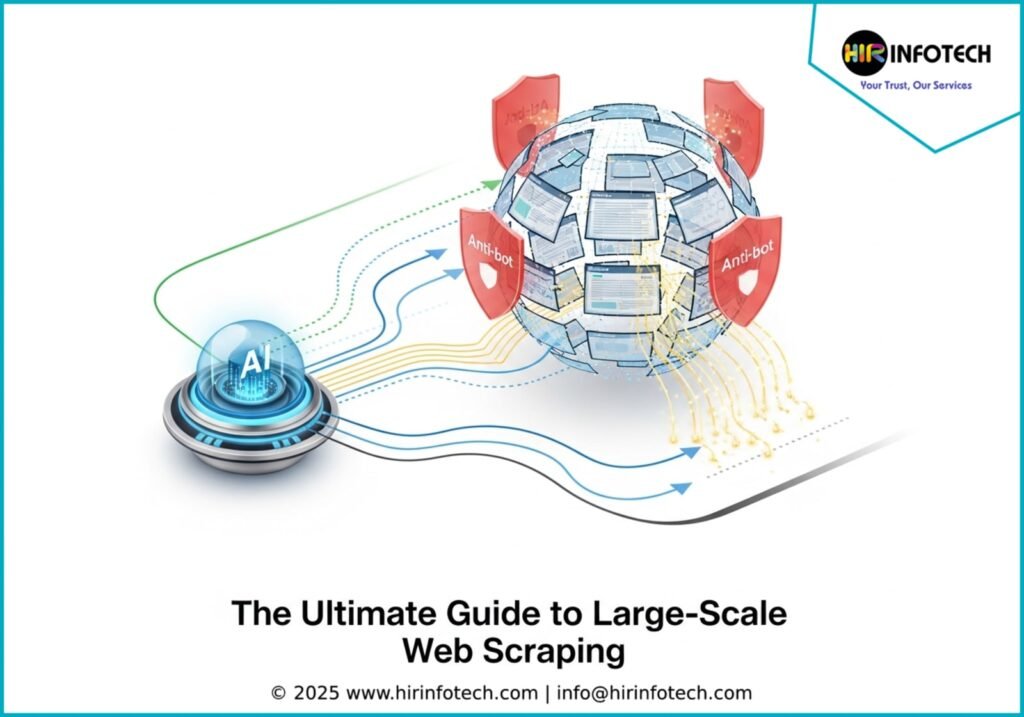
At the forefront of these challenges are sophisticated anti-bot systems. Websites are increasingly employing technologies to distinguish between human users and automated scripts, making it more difficult to access and extract data. These systems analyze a multitude of factors, including IP reputation, browser fingerprints, and user behavior, to identify and block web scrapers.
The Crucial Role of Proxies in Scalable Web Scraping
To operate at scale, a robust proxy strategy is non-negotiable. Proxies act as intermediaries, routing your requests through different IP addresses to avoid detection and bans. However, not all proxies are created equal. Understanding the different types of proxies and their specific use cases is essential for success.
- Datacenter Proxies: These are the most common and affordable type of proxy. They are ideal for scraping websites with basic security measures, but can be easily detected by more advanced anti-bot systems.
- Residential Proxies: These proxies are associated with real residential IP addresses, making them appear as genuine users. They are highly effective at bypassing even the most sophisticated anti-bot technologies, but come at a higher cost.
- ISP Proxies: Offering a middle ground, ISP proxies are static residential proxies that provide a stable and reliable connection, making them suitable for long scraping sessions.
- Mobile Proxies: For the most challenging targets, mobile proxies route traffic through mobile carrier networks, providing the highest level of trust and anonymity.
Effective proxy management is more than just choosing the right type. It involves rotating proxies to distribute requests, managing sessions to maintain a consistent identity, and monitoring performance to ensure reliability. A well-managed proxy infrastructure is the bedrock of any successful large-scale web scraping operation.
Beyond Proxies: The Importance of Scraper Logic and Ethical Practices
While proxies are a critical component, they are only part of the equation. The logic of your web scraper plays an equally important role in its success. A well-designed scraper will mimic human behavior, navigating websites in a natural and respectful manner.
The Art of Ethical Scraping
Ethical considerations are paramount in web scraping. It’s crucial to remember that you are accessing someone else’s resources. Respectful scraping not only ensures the longevity of your data extraction projects but also upholds your company’s reputation.
Key principles of ethical scraping include:
- Respecting `robots.txt`: This file provides guidelines for web crawlers, indicating which parts of a website should not be accessed.
- Limiting Request Rates: Bombarding a website with too many requests can overload its servers and disrupt service for other users. Implement delays and throttling to scrape responsibly.
- Identifying Your Scraper: Use a clear User-Agent string to identify your scraper, allowing website administrators to contact you if necessary.
- Scraping During Off-Peak Hours: To minimize the impact on a website’s performance, schedule your scraping activities during times of low traffic.
By adhering to these ethical principles, you can build a sustainable and responsible data extraction practice that benefits both your organization and the wider web community.
Navigating the Gauntlet of Anti-Bot Technologies
As web scraping has become more prevalent, so too have the technologies designed to prevent it. Anti-bot systems are constantly evolving, employing a variety of techniques to detect and block automated scripts.
Common anti-scraping techniques include:
- IP-Based Blocking: The simplest form of protection, this involves blocking requests from IP addresses that exhibit bot-like behavior.
- CAPTCHAs: These challenges are designed to be easily solved by humans but difficult for bots, effectively halting automated scripts.
- Browser Fingerprinting: Anti-bot systems can analyze a wide range of browser attributes, such as user agent, screen resolution, and installed fonts, to create a unique fingerprint and identify automated browsers.
- Behavioral Analysis: Advanced systems can track mouse movements, scrolling patterns, and other user interactions to distinguish between human and bot behavior.
Overcoming these challenges requires a multi-faceted approach. In addition to a robust proxy infrastructure, you may need to employ headless browsers, which can render JavaScript and simulate human interaction. Furthermore, CAPTCHA solving services can be integrated into your workflow to handle these challenges automatically.
The Rise of AI in Web Scraping
Artificial intelligence is revolutionizing the field of web scraping. AI-powered tools can automatically adapt to changes in website structure, identify and extract relevant data with greater accuracy, and even learn to bypass anti-bot technologies. This shift towards intelligent data extraction is making web scraping more efficient, scalable, and accessible than ever before.
AI is not just improving the process of data extraction; it’s also enhancing the value of the data itself. By integrating AI and machine learning into your data pipelines, you can go beyond simple data collection to perform sentiment analysis, predict market trends, and gain a deeper understanding of your customers.
Actionable Strategies for Success
To thrive in the world of large-scale data extraction, you need a clear and actionable strategy. Here are some key takeaways to guide your efforts:
- Invest in a High-Quality Proxy Infrastructure: A diverse and well-managed proxy pool is essential for scalable and reliable web scraping.
- Develop Sophisticated Scraper Logic: Your scrapers should be designed to mimic human behavior and navigate websites in a natural and respectful manner.
- Embrace Ethical Scraping Practices: Respect website terms of service, limit your request rates, and be transparent about your scraping activities.
- Stay Ahead of Anti-Bot Technologies: Continuously monitor and adapt your scraping strategies to overcome the latest anti-bot measures.
- Leverage the Power of AI: Explore AI-powered tools and techniques to enhance the efficiency, accuracy, and value of your data extraction efforts.
By implementing these strategies, your organization can build a powerful and sustainable data extraction capability that will provide a competitive advantage in the years to come.
Frequently Asked Questions (FAQs)
1. What is large-scale data extraction?
Large-scale data extraction, or web scraping, is the automated process of collecting vast amounts of data from websites. This data can be used for a variety of purposes, including market research, competitive analysis, and lead generation.
2. Why is web scraping so challenging?
Web scraping has become increasingly challenging due to the growing complexity of websites and the widespread adoption of anti-bot technologies. These systems are designed to detect and block automated scripts, making it more difficult to access and extract data.
3. What are proxies and why are they important for web scraping?
Proxies are intermediary servers that route your web scraping requests through different IP addresses. This helps to avoid detection and bans, allowing you to scrape data at scale without interruption.
4. What are the different types of proxies?
The most common types of proxies are datacenter, residential, ISP, and mobile proxies. Each type has its own advantages and disadvantages, and the best choice will depend on your specific needs and the websites you are targeting.
5. What are the ethical considerations of web scraping?
Ethical web scraping involves respecting website terms of service, limiting your request rates, and being transparent about your activities. It’s essential to scrape responsibly to avoid disrupting website services and to maintain a positive relationship with website owners.
6. How can I overcome anti-bot technologies like CAPTCHAs?
Overcoming anti-bot technologies requires a multi-faceted approach. This may include using high-quality residential proxies, employing headless browsers to simulate human interaction, and integrating CAPTCHA solving services into your workflow.
7. How is AI changing the future of web scraping?
AI is transforming web scraping by enabling more intelligent and adaptive data extraction. AI-powered tools can automatically adjust to changes in website structure, bypass sophisticated anti-bot systems, and extract data with greater accuracy and efficiency.
Ready to unlock the power of web data for your business? Contact Hir Infotech today to learn how our expert data solutions can help you navigate the complexities of large-scale data extraction and turn raw data into a strategic asset. #WebScraping #DataExtraction #BigData #BusinessIntelligence #AI #DataSolutions