The Definitive Guide to LinkedIn Scraping for Business Growth in 2026
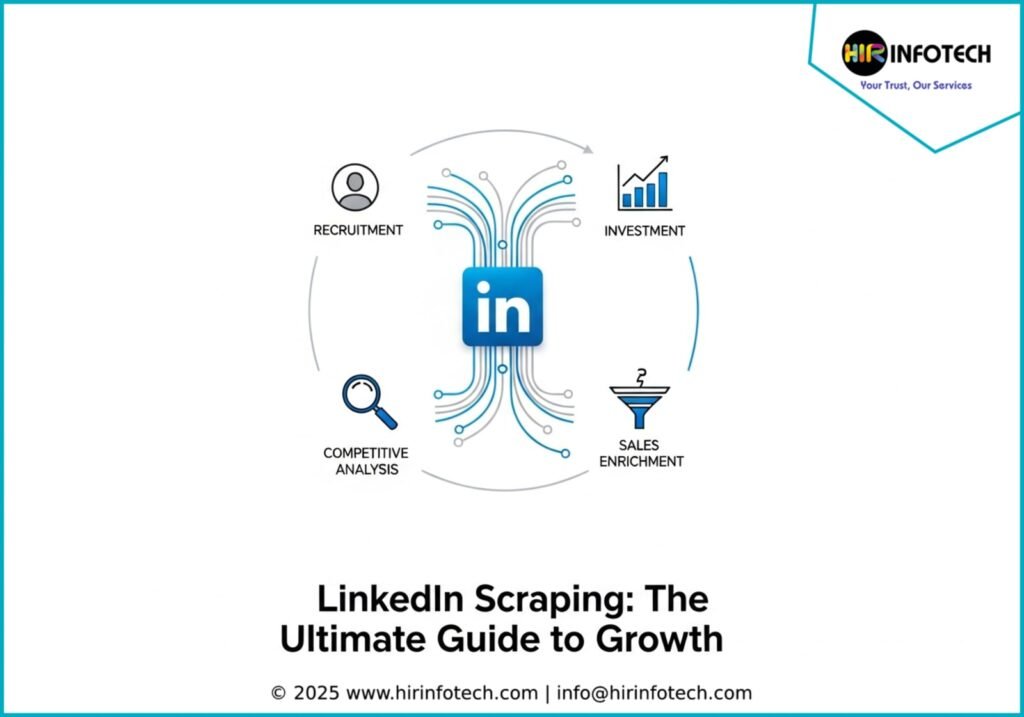
In today’s data-driven world, businesses are constantly seeking innovative ways to gain a competitive edge. From identifying top talent and exploring strategic career moves to pinpointing investment-ready companies, mapping competitive landscapes, and enriching CRM data, the power of data is undeniable. Among the vast sources of valuable information, LinkedIn stands out as a goldmine for businesses aiming for a more focused and successful strategy. This guide will explore the immense potential of LinkedIn scraping and how it can fuel your business growth in 2026 and beyond.
Understanding the Power of LinkedIn Data
LinkedIn is more than just a professional networking site; it’s a dynamic repository of real-time business intelligence. The public data available on LinkedIn offers a wealth of insights that can be harnessed to make informed decisions and drive strategic initiatives. For mid to large-sized companies that rely on frequent web scraping and data extraction, leveraging LinkedIn data is not just an option—it’s a necessity.
What is LinkedIn Scraping?
LinkedIn scraping, or web scraping, is the automated process of extracting large amounts of public data from LinkedIn profiles and company pages. This data is then typically organized into a structured format, like a spreadsheet or database, for further analysis and use. It’s important to note that while scraping publicly available data is legal, it’s crucial to adhere to ethical guidelines and respect privacy.
Strategic Applications of LinkedIn Scraping
The applications of LinkedIn scraping are vast and varied, offering significant advantages across different business functions. Let’s delve into how your organization can leverage this powerful tool.
Supercharge Your Recruitment Efforts
In the competitive talent market, recruiters are constantly searching for candidates with specific skills and backgrounds. LinkedIn scraping allows human resource specialists to gather precise public data points, making the talent identification process significantly more effective.
Key data points for recruitment scraping include:
- Current and past employee titles
- Companies within target industries
- Specific skills and endorsements
- Educational background and certifications
- Years of experience in a particular role or industry
For instance, a tech company can compile a list of all Chief Technology Officers (CTOs) at startups with fewer than 50 employees in a specific geographic region. They could further refine their search to find CTOs with a background in artificial intelligence and more than a decade of experience. This level of targeted data acquisition is invaluable for proactive and strategic talent sourcing.
Make Smarter Investment Decisions
Venture capitalists, hedge funds, and other investment firms are perpetually on the lookout for new opportunities. LinkedIn data provides a unique lens through which to identify companies that are ripe for investment.
By scraping and analyzing public LinkedIn data, investors can uncover businesses that may be underperforming despite having strong product offerings. Key indicators to monitor include:
- Slowing Employee Growth: A sudden halt or decline in hiring can signal internal challenges.
- Low Brand Engagement: Analyzing a company’s organic posts, likes, shares, and comments can reveal the level of user and brand engagement.
- Negative Press and Sentiment: Monitoring brand mentions and news can provide insights into a company’s public perception.
When a potential investment target is identified in a sector where the investment firm has a proven track record of adding value, they can delve deeper. This data-driven approach allows investors to “fix what is broken” and ultimately achieve a profitable exit.
Map Your Competitive Landscape with Geographic Precision
Before launching new products, entering new markets, or disrupting an industry, it’s crucial to have a clear picture of the competitive environment. LinkedIn’s public data is an excellent resource for gaining this clarity.
For example, an electric vehicle manufacturer planning to expand into a new continent can gather intelligence on existing local manufacturers. They can scrape data on:
- Key Personnel: Identifying the leadership and key talent of competitors.
- Marketing Campaigns: Analyzing the types of content and messaging that resonate with the target audience.
- Influencer Collaborations: Discovering the key opinion leaders who hold sway over consumer decisions.
This information empowers businesses to develop insightful and effective market penetration strategies.
Enrich Your CRM for a More Effective Sales Process
Customer Relationship Management (CRM) systems are the lifeblood of any sales organization. Augmenting your CRM with data scraped from LinkedIn can transform your lead generation and sales processes. While many external leads are pursued “blindly,” enriching them with publicly available company data provides a significant advantage.
Valuable data points for CRM enrichment include:
- Company Size: The number of employees can indicate the potential deal size.
- Geographic Location: Essential for territory planning and localized outreach.
- Industry Vertical: Allows for tailored messaging and product positioning.
- Recent Company News and Events: Provides timely and relevant conversation starters.
By adding this layer of data, sales representatives and business developers can make more informed decisions about:
- Lead Qualification: Is a lead a worthwhile investment of time and effort?
- Personalized Outreach: How can the initial approach be tailored to the lead’s specific context?
- Identifying Key Decision-Makers: Who within the organizational hierarchy should be the target of the proposal?
- Product-Market Fit: What product features and solutions are most likely to appeal to the target?
- Long-Term Value Prediction: What is the operational scope that can predict the long-term growth of the business relationship?
The Future of Data Solutions and Web Scraping in 2026
The data solutions industry is in a constant state of evolution, and 2026 is poised to bring significant advancements. The integration of Artificial Intelligence (AI) and machine learning is revolutionizing web scraping, making it smarter, faster, and more efficient. AI-powered scrapers can now adapt to complex website structures, bypass many anti-scraping measures, and even predict when data is likely to change.
Furthermore, there is a growing emphasis on ethical and compliant scraping practices. As data privacy regulations become more stringent, partnering with a data solutions provider that prioritizes ethical data handling is paramount.
Choosing the Right Data Solutions Partner
For mid to large companies with frequent and large-scale data extraction needs, partnering with a professional data solutions provider like Hir Infotech is the most strategic choice. Building and maintaining an in-house scraping infrastructure can be complex, resource-intensive, and fraught with legal and ethical risks.
A reputable data solutions provider offers:
- Expertise and Experience: A deep understanding of the intricacies of web scraping and data extraction across various industries.
- Scalability: The ability to handle large volumes of data extraction without compromising on speed or quality.
- Data Quality and Accuracy: Rigorous quality assurance processes to ensure the data delivered is clean, accurate, and reliable.
- Compliance and Ethical Standards: A commitment to adhering to all legal and ethical guidelines for data scraping.
- Customized Solutions: Tailoring data extraction processes to meet the unique needs and objectives of your business.
By outsourcing your data scraping needs to a trusted partner, you can focus on what you do best: leveraging data-driven insights to grow your business.
For more information on ethical web scraping practices, you can refer to this comprehensive guide on Ethical Web Scraping. To understand the legal landscape, this article on whether LinkedIn Scraping is Legal provides valuable insights.
Frequently Asked Questions (FAQs)
1. Is it legal to scrape data from LinkedIn?
Scraping publicly available data from LinkedIn is generally considered legal, as affirmed by court rulings. However, it is against LinkedIn’s terms of service. It’s crucial to only scrape data that is publicly visible and to do so in a way that does not disrupt their service. For any large-scale or commercial scraping, it’s highly recommended to work with a compliant data scraping service provider.
2. What are the risks of scraping LinkedIn myself?
Scraping LinkedIn on your own can lead to several risks, including having your IP address or LinkedIn account blocked. There are also technical challenges, such as dealing with website structure changes and anti-scraping technologies. Working with a professional service mitigates these risks.
3. How can I ensure the data I get is accurate and up-to-date?
The best way to ensure data quality is to partner with a reputable web scraping service that has robust quality assurance processes. These services employ advanced techniques to validate and clean the data before delivering it. Real-time or near-real-time scraping ensures the data is as current as possible.
4. What are the alternatives to scraping LinkedIn?
While scraping is a powerful method for large-scale data collection, alternatives include using LinkedIn’s official API for certain data, although it has limitations. Manual data collection is an option for very small-scale needs but is not scalable. For comprehensive and scalable data, professional scraping services remain the most effective solution.
5. How is AI changing the web scraping industry?
AI is making web scraping more intelligent and resilient. AI-powered bots can better understand website structures, handle dynamic content, and adapt to changes, leading to higher success rates and better data quality. AI also plays a role in data cleaning and structuring, providing more actionable insights.
6. What does E-E-A-T mean and why is it important for my business’s content?
E-E-A-T stands for Experience, Expertise, Authoritativeness, and Trustworthiness. It’s a framework Google uses to assess the quality of content. For your business, creating content that demonstrates E-E-A-T is crucial for ranking higher in search results and building trust with your audience. This means providing unique insights from real-world experience, showcasing your expertise, establishing your brand as an authority, and ensuring your content is accurate and reliable.
7. How do I choose the right web scraping service provider for my company?
When choosing a web scraping service provider, consider their experience, technical capabilities, data quality assurance processes, scalability, customer support, and commitment to legal and ethical standards. Look for transparent pricing and a willingness to understand your specific business needs. A free trial or sample data can also help in evaluating their service.
Unlock Your Business Potential with Hir Infotech
In the ever-evolving business landscape of 2026, leveraging the power of data is no longer a choice but a necessity. LinkedIn scraping offers a direct path to invaluable insights that can drive growth, innovation, and a significant competitive advantage.
Don’t let the complexities of data extraction hold you back. At Hir Infotech, we specialize in providing cutting-edge, ethical, and reliable data solutions tailored to the needs of mid to large-sized companies. Our team of experts is ready to help you harness the full potential of LinkedIn data.
Contact Hir Infotech today to discuss your data needs and discover how our customized web scraping services can propel your business forward.
#LinkedInScraping #DataExtraction #LeadGeneration #BusinessIntelligence #MarketResearch #Recruitment #DataSolutions #WebScraping #BigData #AI