Staying Ahead of the Curve: The 2026 Guide to Mastering Data Security
In the fast-paced world of data security, standing still means falling behind. For even the most experienced professionals, a short break from the latest developments can feel like a lifetime. The threat landscape is constantly evolving, making it crucial to continuously learn and adapt. Think of it as a high-stakes game of chess; you always need to be thinking several moves ahead.
Over the past few years, the way we gather and share information about threats and vulnerabilities has become incredibly efficient. While this is a huge help for staying aware, it’s not a replacement for deep knowledge and cutting-edge skills. To stay relevant and ahead of cybercriminals in this competitive field, you need a proactive approach to maintaining your expertise.
This guide will walk you through the best ways to keep your data security knowledge sharp in 2026, tailored for companies that handle large amounts of data and require services like web scraping and data extraction. We’ll explore actionable strategies to ensure your team is always prepared for the next challenge.
The Evolving Threat Landscape of 2026
The nature of data security threats is in constant flux. As we move further into 2026, several key trends are shaping the challenges we face. Understanding these trends is the first step toward building a resilient security posture.
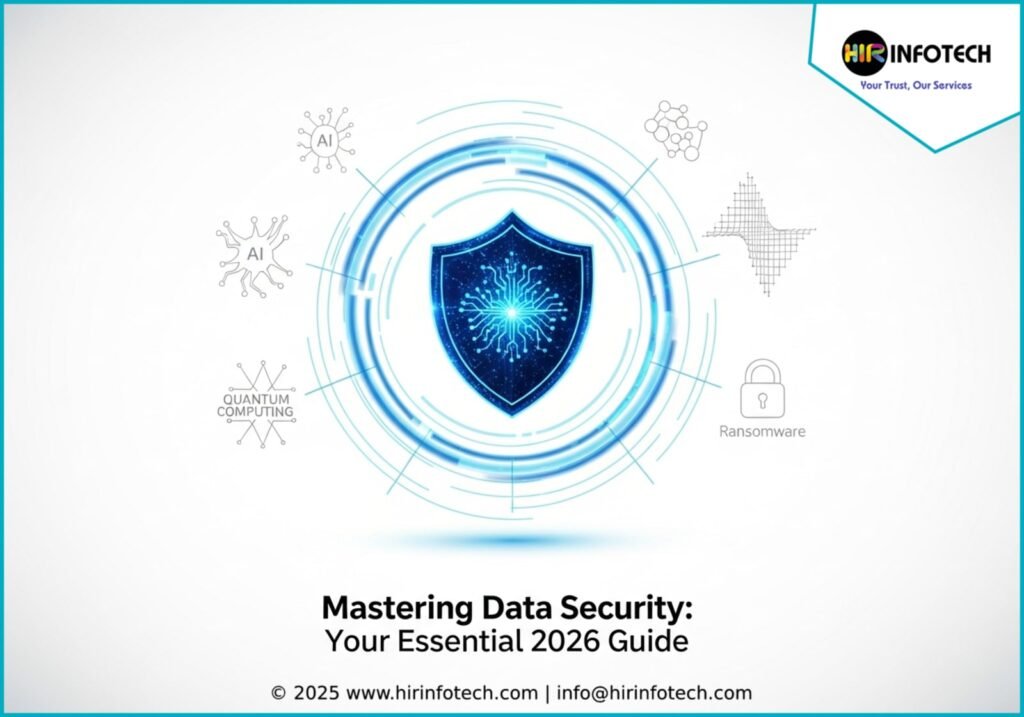
One of the most significant developments is the role of Artificial Intelligence (AI). AI is a double-edged sword; it’s being used by security professionals to detect threats faster and more accurately, but it’s also being leveraged by attackers to create more sophisticated and evasive malware and phishing campaigns. AI can now generate convincing fake voices and videos, known as deepfakes, making social engineering attacks more believable than ever. In fact, one in six breaches in 2025 involved AI-driven attacks.
Another major concern is the rise of quantum computing. While still in its early stages, quantum computing has the potential to break many of the encryption methods we currently rely on to protect data. This has led to a sense of urgency in developing “quantum-resistant” cryptography to safeguard information in the long term. The “harvest now, decrypt later” strategy, where attackers steal encrypted data with the intent of decrypting it once quantum computers are powerful enough, is a growing concern.
Ransomware continues to be a persistent and damaging threat. Attackers are moving beyond simple encryption and are now employing multi-extortion techniques. This can involve not only encrypting data but also stealing it and threatening to leak it publicly, or even launching attacks against a victim’s customers and partners to increase pressure. Ransomware-as-a-Service (RaaS) models are also making it easier for less-skilled individuals to launch devastating attacks.
Actionable Strategies to Maintain Your Data Security Expertise
1. Subscribe to Advisory and Exposure Feeds
To be effective in data security, you need up-to-the-minute knowledge of risks and threat intelligence. A wealth of online resources are dedicated to providing this information in real-time. Subscribing to these feeds is a fundamental step in staying current.
Look for reputable sources that offer detailed analyses of new threats, vulnerabilities, and attack techniques. These can include government-sponsored cybersecurity agencies, private security research firms, and industry-specific information sharing and analysis centers (ISACs). These feeds provide a constant stream of information that can help you anticipate and mitigate potential threats before they impact your organization.
2. Pursue Professional Certifications and Courses
Professional certifications have become a cornerstone of the information and cybersecurity fields. They provide a structured learning path and demonstrate a commitment to professional development. Organizations like (ISC)², ISACA, and CompTIA offer a range of certifications that cover various aspects of data security.
These professional bodies do more than just issue credentials. They provide ongoing education to their members through threat updates, new best practices, and industry news. This continuous learning is vital for staying ahead in a field that is constantly changing. For a deeper dive into available courses, consider exploring platforms like Coursera, which offers a wide range of cybersecurity specializations from top universities and companies.
3. Leverage Social Media Strategically
Social media platforms, especially LinkedIn and X (formerly Twitter), have become valuable hubs for cybersecurity professionals. Many influential figures and thought leaders in the information security community actively share their insights and analysis on these platforms. Following these experts can provide a more curated and immediate source of threat intelligence than traditional news feeds.
Beyond just consuming information, social media offers a fantastic opportunity to network with peers and participate in discussions about current trends. Engaging with the community can help you gain different perspectives and understand the broader context of emerging threats and technologies.
4. Attend Meetings, Webinars, and Conferences
Industry events, whether in-person or virtual, are invaluable for learning and networking. Conferences bring together thousands of professionals from around the globe, offering a unique opportunity to learn from the best in the field. Events like Black Hat and the RSA Conference are renowned for their cutting-edge presentations and workshops.
These gatherings provide a look beyond your own organizational bubble and can be a rich source of information on what’s happening in the wider industry. The informal networking opportunities are often just as valuable as the formal sessions, allowing you to build connections with peers who are facing similar challenges.
Building a Culture of Security Awareness
Technical expertise is only one piece of the puzzle. A truly robust data security strategy requires a strong culture of security awareness throughout your entire organization. Human error remains a significant factor in many data breaches, making employee training a critical component of your defense.
Regular training sessions can help employees recognize and respond to common threats like phishing and social engineering. These training programs should be engaging and relevant to the specific roles and responsibilities of your team members. For more information on building a security-conscious culture, the SANS Institute offers a wealth of resources and training materials.
The Importance of Proactive Measures
In the current threat landscape, a reactive approach to security is no longer sufficient. Organizations must be proactive in identifying and mitigating risks. This includes implementing a Zero Trust security model, which assumes that no user or device is inherently trustworthy and requires verification for every access request. Adopting a Zero Trust architecture can significantly reduce your attack surface and limit the ability of attackers to move laterally within your network.
Regularly conducting security audits and penetration testing is another crucial proactive measure. These assessments help you identify and address vulnerabilities before they can be exploited by attackers. By simulating real-world attacks, you can gain valuable insights into the effectiveness of your security controls and make necessary improvements.
Conclusion: The Never-Ending Pursuit of Expertise
Maintaining expertise in data security is not a destination; it’s an ongoing journey. The field is defined by constant change, and professionals must be committed to lifelong learning to stay effective. By embracing a proactive approach to professional development, you can ensure that you and your organization are prepared to face the data security challenges of 2026 and beyond.
The strategies outlined in this guide provide a roadmap for staying at the forefront of the industry. From subscribing to the latest threat intelligence to actively participating in the cybersecurity community, every step you take to enhance your knowledge and skills is an investment in your career and the security of your organization.
For companies dealing with frequent web scraping, data extraction, and other data-related tasks, having a partner with deep expertise in data solutions is paramount. At Hir Infotech, we understand the complexities of data security in today’s environment. Our team is dedicated to providing secure and reliable data solutions that meet the unique needs of your business. To learn more about how we can help you navigate the challenges of data security, contact us today.
For further reading on data security best practices, the National Institute of Standards and Technology (NIST) Cybersecurity Framework provides a comprehensive set of guidelines and standards.
Frequently Asked Questions (FAQs)
1. What is data security?
Data security refers to the practice of protecting digital information from unauthorized access, corruption, or theft throughout its entire lifecycle. It encompasses everything from the physical security of hardware and storage devices to administrative and access controls, as well as the logical security of software applications.
2. Why is data security important for my business?
Data security is crucial for several reasons. It helps protect your company’s valuable assets, ensures the privacy of your customers and employees, and helps you comply with data protection regulations like GDPR and CCPA. A strong data security posture can also give you a competitive advantage by building trust with your clients.
3. What are the biggest data security risks in 2026?
Some of the most significant data security risks in 2026 include AI-powered cyberattacks, the growing threat of quantum computing to encryption, increasingly sophisticated ransomware and extortion tactics, and third-party or supply chain vulnerabilities. Social engineering and phishing also remain major threats.
4. What is a Zero Trust security model?
A Zero Trust security model is an approach to cybersecurity that assumes no user or device is inherently trustworthy, regardless of whether they are inside or outside the network perimeter. It requires strict identity verification for every person and device trying to access resources on a private network.
5. How can AI be used in data security?
AI can be used in data security for both defense and attack. On the defensive side, AI can enhance threat detection, automate security responses, and identify vulnerabilities more effectively. It can analyze vast amounts of data to spot anomalies that might indicate a security breach. On the other hand, attackers can use AI to create more sophisticated malware, automate phishing campaigns, and generate realistic deepfakes for social engineering attacks.
6. How often should we conduct employee security training?
Employee security training should be an ongoing process, not a one-time event. It’s recommended to conduct regular, short training sessions, perhaps on a monthly basis, to keep employees informed about the latest threats and best practices. Continuous training helps to build a strong security culture within the organization.
7. What is the role of data extraction and web scraping in data security?
Data extraction and web scraping involve collecting large amounts of data from websites. While these are powerful tools for business intelligence, they also come with security responsibilities. It’s essential to ensure that data is collected and stored securely and that the process complies with data privacy regulations like GDPR and CCPA. Failing to do so can lead to significant legal and financial penalties.