Fueling Fairness: How Data Analytics Is Forging the Path to Workplace Equality in 2026
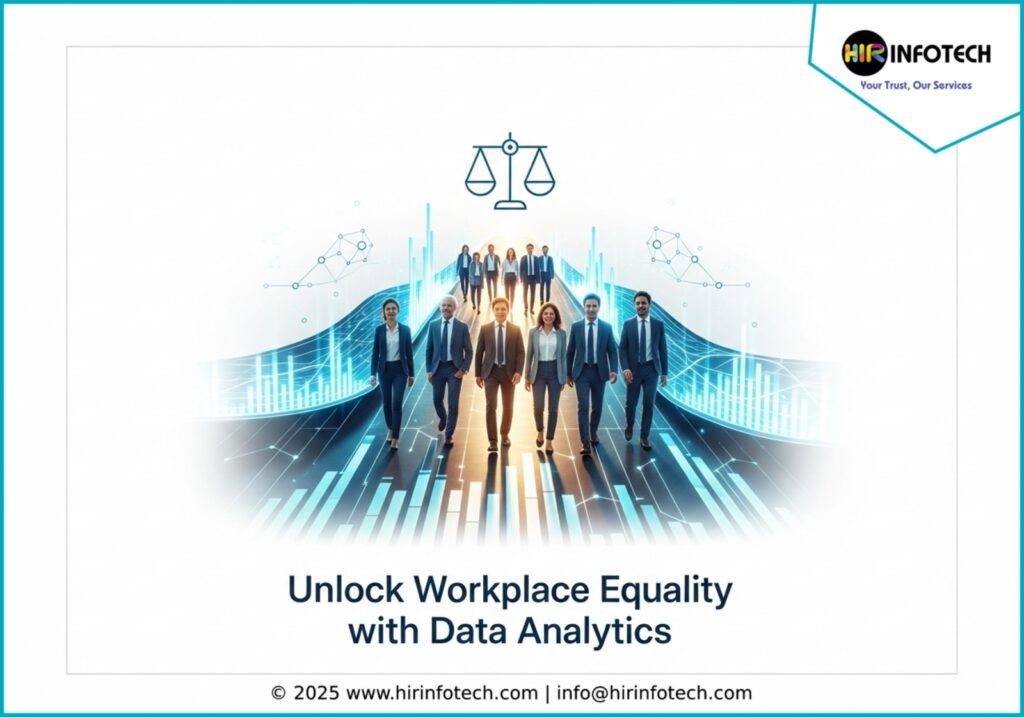
In 2026, the conversation around racial and gender equality in the workplace is more critical than ever. As organizations strive to build diverse, equitable, and inclusive environments, they are discovering a powerful ally: big data. Advanced analytics are no longer just for marketing and logistics; they are now at the forefront of solving complex workplace equality problems. From ensuring fair hiring practices to promoting pay equity, data-driven strategies are revolutionizing how companies approach Diversity, Equity, and Inclusion (DEI).
For mid to large companies managing vast amounts of data, the ability to harness this information is a game-changer. By leveraging data extraction, web scraping, and comprehensive analytics, businesses can uncover hidden biases, track progress, and build a truly equitable workplace. This article explores the latest advancements in data solutions and how they are helping to create a fairer future of work for everyone.
Discover how Hir Infotech’s data solutions can help your organization champion workplace equality.
The Evolving Landscape of Workplace Equality
The quest for workplace equality has been a long and challenging journey. While significant progress has been made since the 1980s, disparities persist. The gender pay gap, for example, remains a stark reminder of the work that still needs to be done. Although the often-cited statistic of women earning 78 cents for every dollar a man makes doesn’t always account for factors like experience or hours worked, it highlights an undeniable wage disparity.
Recent years have seen a renewed focus on these issues, intensified by public debates and a growing awareness of systemic inequalities. Business leaders, activists, and regulators are now united in seeking innovative solutions, and many are turning to the power of big data. They recognize that to truly move the needle on DEI, they need objective, actionable insights that only data can provide.
The Role of Big Data and AI in Advancing Workplace Equity
While the initial applications of big data focused on operational efficiencies, its potential to drive social change is now being realized. Forward-thinking organizations are pioneering the use of data analytics to create more diverse and inclusive workplaces. Here are some of the key ways data solutions are making a difference:
Tracking Diversity Metrics with Precision and Transparency
You can’t improve what you don’t measure. This simple principle is at the heart of data-driven DEI. Companies are now using sophisticated tools to track diversity metrics across their organizations. These “Diversity Trackers” provide a clear and transparent view of the demographic makeup of the workforce at all levels. By monitoring these metrics, companies can identify areas where representation is lacking and set measurable goals for improvement. This data-driven approach fosters accountability and ensures that DEI is not just a buzzword, but a core business objective.
Mitigating Bias in Hiring with AI-Powered Recruitment
Unconscious bias is one of the biggest obstacles to fair hiring. Recruiters, like all people, can be influenced by their own experiences and backgrounds, leading them to favor candidates who are similar to themselves. Data-driven recruitment solutions help to eliminate this subjectivity by focusing on skills, experience, and potential. AI-powered tools can screen resumes and applications based on objective criteria, ensuring that all candidates are evaluated on a level playing field. This not only helps to increase the diversity of the candidate pool but also leads to better hiring decisions. Research has shown that companies using these technologies have seen a significant increase in the hiring of minority candidates and a reduction in attrition rates.
- Objective Candidate Screening: AI algorithms can be programmed to ignore demographic information and focus solely on qualifications.
- Expanded Talent Pools: Data mining techniques allow recruiters to tap into a wider range of talent sources, including professional networking sites and specialized job boards.
- Reduced “Gut-Feeling” Hires: By relying on data rather than intuition, companies can make more informed and less biased hiring decisions.
Ensuring Pay Equity Through Data Analysis
Pay equity is a critical component of workplace fairness. Data analytics allows companies to conduct thorough pay equity audits to identify and rectify wage gaps. By analyzing compensation data across different demographics, roles, and experience levels, organizations can ensure that all employees are being paid fairly for their work. This proactive approach not only helps to mitigate legal risks but also boosts employee morale and trust.
Improving the Monitoring of Internal Complaints
Discrimination and harassment often go unreported or are not adequately addressed. Big data provides a powerful tool for tracking and managing internal complaints. By centralizing and analyzing data from employee relations cases, companies can identify patterns of misconduct and ensure that all complaints are investigated thoroughly and fairly. This data can also be invaluable in the event of an external audit or legal action, demonstrating a commitment to addressing workplace issues proactively.
Modern employee relations management systems allow companies to:
- Track Complaints: Monitor the number, type, and status of all employee complaints.
- Identify Patterns: Detect recurring issues or problematic individuals or departments.
- Ensure Consistency: Promote fair and consistent handling of all cases.
Learn more about the power of people analytics from IBM.
The Future of Work is Data-Driven and Equitable
The integration of big data and AI into HR practices is not just a trend; it is the future of work. As these technologies continue to evolve, they will offer even more sophisticated ways to promote workplace equality. Predictive analytics, for example, can help organizations anticipate future DEI challenges and opportunities, allowing them to take proactive steps to build a more inclusive workforce. The companies that embrace these data-driven strategies will not only create a fairer and more equitable workplace but will also gain a significant competitive advantage. A diverse and inclusive workforce is an innovative and engaged workforce, and in the global marketplace of 2026, that is a recipe for success.
Building a Culture of E-E-A-T in Data Solutions
To establish topical authority and trust in the data solutions domain, it is essential to demonstrate Experience, Expertise, Authoritativeness, and Trust (E-E-A-T). This is achieved through:
- Credible Examples: Showcasing real-world case studies of companies that have successfully used data to improve workplace equality. For example, companies like Gusto and Duolingo have made significant strides in gender parity by implementing data-driven strategies.
- Data-Backed Insights: Supporting all claims with verifiable data and research. For instance, citing studies that show the financial benefits of diversity, such as McKinsey’s report on the correlation between diversity and profitability, adds weight and credibility to the content.
- Authoritative Citations: Linking to reputable sources and industry experts to validate the information presented.
Actionable Insights for Your Organization
The journey to workplace equality is ongoing, but with the right tools and strategies, significant progress is possible. Here are some actionable takeaways for your organization:
- Invest in Data Analytics: If you are not already using data to inform your DEI strategy, now is the time to start.
- Conduct Regular Audits: Regularly audit your hiring, promotion, and compensation practices to identify and address any biases.
- Promote Transparency: Share your diversity metrics and progress with your employees and stakeholders to foster accountability and trust.
- Embrace AI-Powered Tools: Explore how AI can help you create a more objective and equitable recruitment process.
Explore further resources on leveraging people analytics for DEI from SHRM.
Frequently Asked Questions (FAQs)
1. How is data analysis transforming the modern workplace?
Data analysis is providing businesses with unprecedented insights into their operations, from productivity and employee turnover to more nuanced areas like workplace culture and equality. It allows for the discovery of non-traditional solutions and hidden patterns that can lead to significant improvements in efficiency, employee satisfaction, and overall business performance.
2. What role will analytics play in shaping the future of work?
Analytics will be at the core of future business strategies. Big data analytics will enable companies to make faster, more informed decisions, identify disruptive opportunities, and respond to market changes in real-time. This requires a commitment to high-quality, real-time data streams and a culture that values data-driven insights.
3. What are the primary functions of analytics in the workplace?
Workplace analytics provides objective data to guide a wide range of business decisions. It can help identify potential problem areas, answer specific business questions, and inform strategies related to hiring, organizational structure, and business planning. Ultimately, it empowers leaders to move from intuition-based decisions to evidence-based strategies.
4. How can small businesses leverage data for workplace equality?
While large corporations may have more resources, small businesses can still benefit from data-driven DEI. They can start by collecting and analyzing basic demographic data, conducting anonymous employee surveys, and using affordable HR analytics tools to track key metrics. Even small-scale data analysis can reveal valuable insights and help create a more equitable workplace.
5. What are the ethical considerations of using AI in DEI?
While AI can be a powerful tool for promoting fairness, it’s crucial to be aware of the ethical implications. AI algorithms are only as unbiased as the data they are trained on. If historical data reflects past biases, the AI may perpetuate them. It’s essential to use diverse and representative training data, regularly audit AI systems for bias, and maintain human oversight to ensure that technology is used responsibly and ethically.
6. What are “people analytics”?
People analytics, also known as HR analytics or workforce analytics, is the practice of collecting and analyzing data about a company’s employees to improve business outcomes. It provides insights into areas like employee engagement, performance, and retention, and is increasingly being used to drive DEI initiatives.
7. How can data help with employee retention?
Data analytics can help identify the root causes of employee turnover. By analyzing data from exit interviews, employee surveys, and performance reviews, companies can uncover patterns and trends that contribute to attrition. These insights can then be used to develop targeted retention strategies, such as improving management training, offering more competitive benefits, or fostering a more inclusive culture.
Take the Next Step with Hir Infotech
Ready to unlock the power of your data and build a more equitable and successful organization? Hir Infotech offers a comprehensive suite of data solutions, including web scraping, data extraction, and advanced analytics, to help you achieve your DEI goals. Our team of experts will work with you to develop a customized strategy that meets your unique needs and challenges.
Contact us today to learn more and schedule a consultation. Let us help you turn your data into a force for positive change.
#WorkplaceEquality #DataAnalytics #BigData #DEI #FutureOfWork #HRTech #AIforGood #DiversityandInclusion #DataSolutions #HirInfotech