Harnessing the Power of Data: How Data Analytics Fuels Business Growth in 2026
In today’s fast-paced digital world, data is more than just numbers; it’s the lifeblood of successful businesses. Companies are collecting vast amounts of information every second. But this data is only valuable if you can make sense of it. This is where data analytics comes in, turning raw data into a strategic asset that drives growth and innovation. For mid to large-sized companies juggling immense datasets from web scraping and other sources, understanding and leveraging data analytics is no longer optional—it’s essential for survival and success.
What is Data Analytics? A Simple Definition
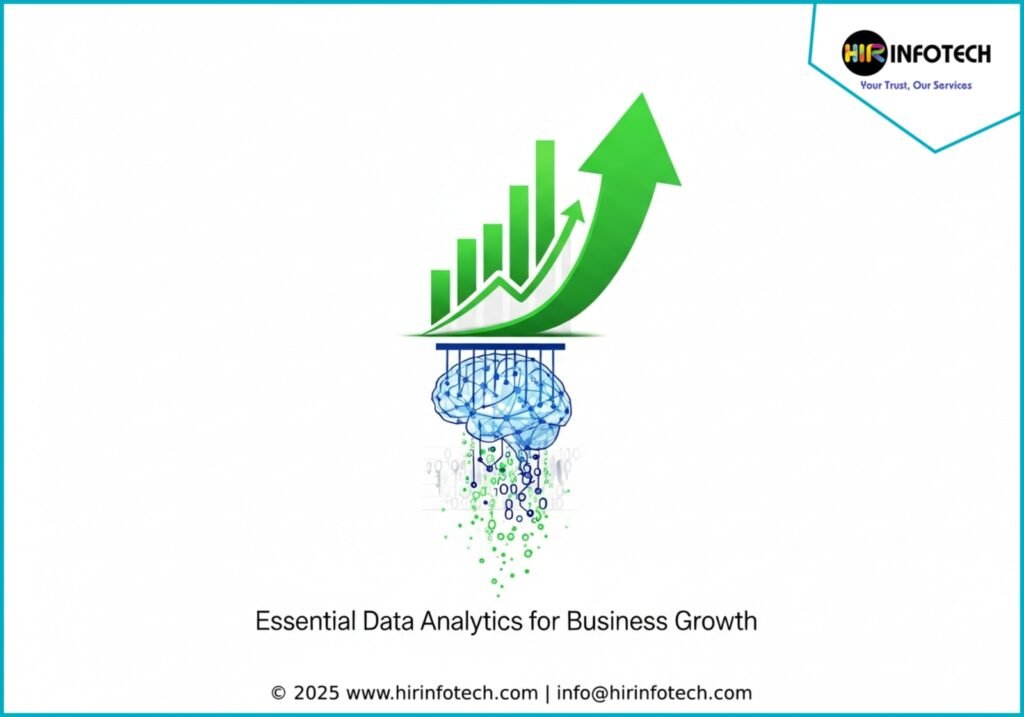
At its core, data analytics is the process of examining large and varied data sets to uncover hidden patterns, unknown correlations, market trends, and customer preferences. Think of it as detective work for your business. Data analysts use advanced techniques and tools to sift through information, transforming it from a chaotic collection of facts into clear, actionable insights. These insights empower businesses to make smarter, evidence-based decisions instead of relying on guesswork.
The field of data analytics has evolved, with many processes now automated into algorithms and systems that process raw data for human consumption. This allows for real-time insights and more efficient decision-making.
Why Data Analytics is a Game-Changer for Your Business
The ability to analyze data effectively can revolutionize how a company operates, leading to significant improvements across the board. In 2026, businesses that fully integrate data analytics into their core operations are the ones that will thrive. They will be more efficient, profitable, and in tune with their customers’ needs. Here’s how data analytics can propel your business forward:
Make Smarter, Faster Decisions
In today’s market, speed is a critical advantage. Data analytics provides real-time information, allowing businesses to react swiftly to changing market conditions. Instead of waiting for weekly or monthly reports, decision-makers can access live data to spot emerging trends, manage inventory effectively, and adjust marketing strategies on the fly. This agility leads to better customer satisfaction, prevents stock shortages, and ultimately boosts sales.
Gain a Deeper Understanding of Your Customers
Modern customers expect personalized experiences. Data analytics allows you to move beyond generic marketing and truly understand your audience. By analyzing customer data, you can gain valuable insights into their demographics, behaviors, and preferences. This deep understanding enables you to:
- Tailor marketing messages for maximum impact.
- Develop products and services that meet their specific needs.
- Improve customer service by anticipating their questions and concerns.
Enhance Operational Efficiency and Reduce Costs
Inefficiencies can silently drain a company’s resources. Data analytics shines a light on these hidden costs by identifying bottlenecks in your operations. For example, manufacturing companies can analyze machine data to optimize production schedules and minimize downtime. By streamlining processes and making better use of resources, businesses can significantly reduce their operational expenses and improve their bottom line.
Mitigate Risks and Strengthen Security
In an increasingly digital world, the threats of fraud and cyberattacks are ever-present. Data analytics can be a powerful tool in your security arsenal. By analyzing patterns in data, you can identify anomalies that may indicate fraudulent activity. This proactive approach allows you to address security threats before they escalate, protecting your business and your customers.
Putting Data Analytics into Action: A Strategic Approach
To truly reap the benefits of data analytics, you need a clear plan. It’s not just about collecting data; it’s about using it strategically to achieve your business objectives. Here are the key steps to implementing a successful data analytics strategy:
1. Define Your Goals: Start by identifying what you want to achieve. Are you looking to increase sales, improve customer retention, or streamline your supply chain? Having clear goals will help you focus your data analysis efforts on what matters most.
2. Gather the Right Data: Once you know your goals, you can determine what data you need to collect. This might include customer demographics, sales figures, website traffic, or social media engagement. It’s crucial to ensure the data you collect is accurate and relevant to your objectives.
3. Choose the Right Tools: There are many powerful data analytics tools available today. For non-technical users, user-friendly data visualization tools like Google Charts, Datawrapper, and Tableau can transform complex data into easy-to-understand charts and graphs. These tools make it simple to see patterns and trends at a glance.
4. Analyze and Interpret the Data: This is where you turn your data into insights. Look for patterns, trends, and correlations that can inform your business decisions. For example, you might discover that a particular marketing campaign is driving a high number of sales in a specific region.
5. Take Action: The final and most important step is to act on your insights. Use what you’ve learned to make informed decisions that will help you achieve your business goals. This could involve adjusting your marketing strategy, optimizing your supply chain, or developing new products.
Real-World Examples of Data Analytics in Action
Data analytics is not just a theoretical concept; it’s delivering real results for businesses across industries. Here are a few examples of how companies are using data analytics to drive growth:
- Retail: A major retail company used predictive analytics to forecast which products would be in high demand during the holiday season. By analyzing past sales data and market trends, they were able to optimize their inventory and avoid stockouts, leading to a significant increase in sales.
- Manufacturing: A manufacturing firm implemented a predictive maintenance program using data from sensors on their equipment. By analyzing this data, they were able to predict when machines were likely to fail and perform maintenance proactively, reducing downtime by 30% and saving millions in repair costs.
- Marketing: An e-commerce business used data analytics to personalize their email marketing campaigns. By segmenting their audience based on past purchase behavior and browsing history, they were able to send targeted emails with relevant product recommendations, resulting in a 25% increase in click-through rates and a 15% increase in conversions.
Demonstrating E-E-A-T in Your Data-Driven Content
In the world of SEO, E-E-A-T (Experience, Expertise, Authoritativeness, and Trust) is crucial for ranking high in search results. When creating content about data analytics, it’s important to demonstrate these qualities to both your audience and search engines. Here’s how:
- Show, Don’t Just Tell: Back up your claims with real-world examples and case studies. Sharing personal stories and data-backed insights demonstrates your experience and expertise in the field.
- Collaborate with Experts: Featuring quotes or interviews from industry experts can significantly boost your content’s authoritativeness.
- Be Transparent: Clearly explain your data sources and methodologies. This transparency builds trust with your audience and shows that your content is reliable.
- Keep it Fresh: The world of data analytics is constantly evolving. Regularly update your content with the latest trends and information to maintain its relevance and authority. For more on this, check out this comprehensive guide on how to demonstrate E-E-A-T in your content.
The Future is Data-Driven
As we look towards 2026 and beyond, the importance of data analytics will only continue to grow. Technologies like artificial intelligence and machine learning are making it possible to analyze data in more sophisticated ways, unlocking even deeper insights. Businesses that embrace a data-driven culture and invest in the right tools and expertise will be well-positioned to thrive in the years to come. For an in-depth look at the future of business intelligence, see this article on the top 10 business intelligence trends for 2026.
Take the Next Step with Hir Infotech
Ready to unlock the power of your data? At Hir Infotech, we specialize in providing comprehensive data solutions, from web scraping and data extraction to advanced data analytics. Our team of experts can help you make sense of your data and turn it into actionable insights that drive business growth.
Contact us today to learn more about how our data solutions can help your business succeed.
Frequently Asked Questions (FAQs)
1. What is the main benefit of data analytics for a business?
The primary benefit of data analytics is that it empowers businesses to make more informed decisions based on facts and data rather than intuition. This leads to improved operational efficiency, better customer understanding, and increased profitability.
2. How can data analytics help a company reduce costs?
Data analytics can help reduce costs by identifying inefficiencies in business processes. For example, it can optimize supply chain management, reduce waste in manufacturing, and help in better resource allocation, all of which contribute to lower operational expenses.
3. What is the impact of data analytics on marketing?
Data analytics has a profound impact on marketing by enabling businesses to understand customer behavior and preferences in detail. This allows for personalized marketing campaigns, better targeting of advertisements, and ultimately, a higher return on investment (ROI) for marketing efforts.
4. Do I need to be a tech expert to use data analytics tools?
Not at all. While some advanced data analytics require technical expertise, many modern tools are designed to be user-friendly for non-technical professionals. Data visualization tools, in particular, make it easy for anyone to understand and interpret data.
5. How does data analytics improve customer satisfaction?
Data analytics helps businesses understand their customers’ needs and pain points. By analyzing customer feedback and behavior, companies can improve their products and services, personalize the customer experience, and provide more effective customer support, all of which lead to higher satisfaction and loyalty.
6. What is predictive analytics?
Predictive analytics is a branch of data analytics that uses historical data, statistical algorithms, and machine learning techniques to identify the likelihood of future outcomes. It helps businesses forecast trends, anticipate customer behavior, and make proactive decisions.
7. How can a data analytics consulting company help my business?
A data analytics consulting company can provide the expertise and resources needed to develop and implement a successful data analytics strategy. They can help you identify the right data to collect, choose the appropriate tools, and interpret the results to drive meaningful business outcomes.