Unlocking Business Growth in 2026: The Power of Open-Source Web Scrapers
In today’s data-driven world, making informed decisions is crucial for business success. Web scraping, the automated process of extracting data from websites, has become a vital tool for companies of all sizes. However, choosing the right web scraper can be a daunting task, especially with budget and technical constraints. This is where open-source web scrapers come in, offering a powerful and cost-effective solution.
This blog post will explore how your business can leverage open-source web scrapers to gain a competitive edge. We’ll delve into the benefits, address potential challenges, and provide actionable insights to help you get started.
Why Open-Source Web Scraping is a Game-Changer for Businesses
Open-source web scrapers are tools that allow you to seek and retrieve data from the web at a lower cost compared to building in-house infrastructures. The source code of these tools is publicly available, allowing a global community of developers to contribute to their development and improvement. This collaborative approach offers several key advantages for businesses:
Minimal Investment, Maximum Return
One of the most significant benefits of open-source web scrapers is their cost-effectiveness. Since the software is typically free to use, it eliminates the high licensing fees associated with proprietary tools. This allows businesses, especially those with limited budgets, to access powerful data extraction capabilities without a substantial upfront investment. The primary costs are typically related to the human resources needed to operate and maintain the scraper.
Flexibility and Customization
Open-source web scrapers provide unparalleled flexibility. Your development team can modify and adapt the source code to meet your specific data extraction needs. Whether you need to scrape data from a niche website with a unique structure or integrate the scraper with your existing data analysis pipeline, open-source tools offer the adaptability that proprietary solutions often lack. Many solutions also allow you to work with a programming language your team is already proficient in, reducing the learning curve.
Community-Driven Innovation and Support
The vibrant community surrounding open-source projects is a significant asset. You gain access to a global network of developers who are constantly updating the code, fixing bugs, and developing new features. This collaborative environment ensures that the tools are always evolving to meet the latest web technologies and challenges. If you encounter a problem, there’s a high probability that someone in the community has already found a solution.
Harnessing Open-Source Web Scrapers: Key Business Applications
Now that we’ve covered the “why,” let’s explore the “how.” Open-source web scrapers can be applied to a wide range of business functions, providing valuable data for strategic decision-making.
Building Powerful Data Lakes
A data lake is a centralized repository that stores vast amounts of raw data in its native format. This can include structured, semi-structured, and unstructured data. By feeding your data lake with information gathered through web scraping, you can uncover valuable insights, identify trends, and create more accurate predictive models. An open-source web scraper can be the foundational tool for building your company’s data lake from the ground up, gathering extensive data on topics relevant to your business.
Gaining a Competitive Edge with Market Intelligence
In the competitive landscape of 2026, staying ahead of the curve is paramount. Open-source web scrapers enable you to gather real-time market intelligence by monitoring your competitors’ activities. You can track:
- Pricing Strategies: Scrape competitor websites to monitor their pricing in real-time and adjust your own pricing strategy accordingly.
- Product Offerings: Keep track of new product launches, updates, and discontinuations.
- Marketing Campaigns: Analyze your competitors’ promotional activities and marketing messages.
This data empowers you to make proactive decisions and maintain a competitive advantage.
Enhancing Lead Generation and Sales
Web scraping can be a powerful tool for your sales and marketing teams. By extracting contact information from public online sources like business directories and professional networking sites, you can build a robust list of potential leads. This targeted approach to lead generation can significantly improve the efficiency and effectiveness of your sales efforts.
Informing Product Development
Understanding customer needs and preferences is crucial for developing successful products. By scraping customer reviews, forum discussions, and social media comments, you can gather a wealth of qualitative data. Analyzing this feedback can help you identify common pain points, desired features, and emerging trends, guiding your product development roadmap.
Navigating the Challenges of Open-Source Web Scraping
While the benefits of open-source web scrapers are substantial, it’s essential to be aware of the potential challenges.
Technical Expertise Requirements
While many no-code open-source options are available, some of the most powerful and customizable tools require a certain level of technical expertise to set up and maintain. Your team may need proficiency in programming languages like Python.
Website Structure Changes and Anti-Scraping Measures
Websites frequently change their structure, which can break your web scrapers. Additionally, many websites implement anti-scraping technologies like CAPTCHAs and IP blocking to prevent automated data extraction. Overcoming these hurdles requires ongoing maintenance and the use of sophisticated techniques.
Data Quality and Cleaning
The raw data collected through web scraping is often unstructured and may contain inaccuracies or irrelevant information. To derive meaningful insights, you’ll need to clean, process, and structure this data, which can be a time-consuming process.
Legal and Ethical Considerations
It is crucial to be aware of the legal and ethical implications of web scraping. Always review a website’s terms of service before scraping it. Respect `robots.txt` files, which provide guidelines for web crawlers. Scraping personal data may be subject to privacy regulations like GDPR, so it’s essential to ensure your data collection practices are compliant.
Popular Open-Source Web Scraping Tools in 2026
The open-source community offers a variety of powerful web scraping tools. Here are a few popular options:
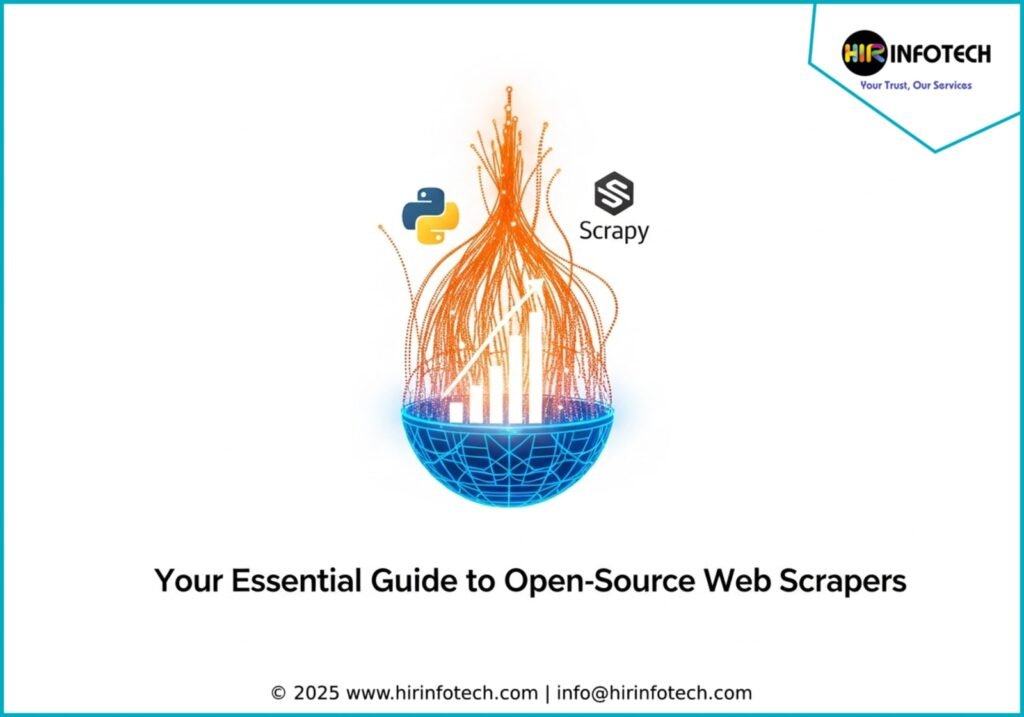
- Scrapy: A fast and powerful Python framework for web crawling and scraping. It’s highly extensible and has a large and active community.
- Beautiful Soup: A Python library for pulling data out of HTML and XML files. It is known for its simplicity and ease of use, making it a great choice for beginners.
- Selenium: A browser automation tool that can be used for scraping dynamic websites that rely heavily on JavaScript.
- Puppeteer: A Node library developed by Google that provides a high-level API to control Chrome or Chromium over the DevTools Protocol.
For more in-depth comparisons and reviews, resources like SourceForge and developer communities can be invaluable.
The Future is Data-Driven: Are You Ready?
In 2026, businesses that can effectively harness the power of web data will be the ones that thrive. Open-source web scrapers provide a cost-effective and flexible way to unlock this valuable resource. While there are challenges to consider, the potential rewards in terms of market intelligence, lead generation, and informed decision-making are immense.
By carefully selecting the right tools, investing in the necessary expertise, and adhering to ethical best practices, your business can leverage open-source web scraping to fuel growth and innovation. To learn more about how data can be a driver for your business, consider exploring resources from industry leaders like Forbes on data trends. For those interested in the technical aspects of building a data infrastructure, Canonical offers insights into building cloud-native data lakes with open-source tools.
Frequently Asked Questions (FAQs)
1. What is the main advantage of an open-source web scraper for a business?
The primary advantage is cost-effectiveness. Open-source tools are typically free to use, allowing businesses to access powerful data extraction capabilities without the high cost of proprietary software.
2. Do I need to be a programmer to use an open-source web scraper?
Not necessarily. While many powerful open-source scrapers are code-based, there are also a growing number of no-code and low-code options available that are designed for non-technical users.
3. What’s the difference between web scraping and data mining?
Web scraping is the process of collecting raw data from websites. Data mining, on the other hand, is the process of analyzing that collected data to identify patterns, trends, and valuable insights. Think of it this way: you scrape to gather the ingredients, and you mine to create the recipe for success.
4. How can web scraping help with SEO?
Web scraping can be used to monitor your keyword rankings on search engines, analyze your competitors’ backlink profiles, and identify content gaps on your website. This data can inform your SEO strategy and help you improve your search engine visibility.
5. What is “screen scraping” and how does it relate to web scraping?
Screen scraping is a specific type of data scraping that involves capturing data from a computer’s display output. In the context of the web, it often refers to older methods of extracting data from a website’s visual interface. Modern web scraping typically interacts with the underlying HTML code of a webpage, which is a more robust and reliable method.
6. Is web scraping legal?
The legality of web scraping depends on several factors, including the type of data being scraped and the website’s terms of service. Generally, scraping publicly available data is legal, but it’s crucial to avoid scraping personal data and to respect the website’s `robots.txt` file and terms of use.
7. How can I handle websites that try to block my scraper?
Techniques to bypass anti-scraping measures include using rotating IP addresses through proxy servers, mimicking human-like browsing behavior, and using headless browsers that can render JavaScript.
Take the Next Step with Hir Infotech
Ready to unlock the power of data for your business? Hir Infotech offers comprehensive data solutions, from web scraping and data extraction to data analysis and visualization. Our team of experts can help you navigate the complexities of data collection and turn raw data into actionable insights.
Contact us today to learn how Hir Infotech can help you achieve your business goals.
#WebScraping #OpenSource #DataExtraction #BusinessIntelligence #DataAnalytics #LeadGeneration #MarketResearch #BigData #DataSolutions #HirInfotech