The New Age of Lending: How Big Data and AI Are Revolutionizing Loan Decisions in 2026
For lenders and financiers, accuracy and predictability are the cornerstones of success. The ability to foresee when a borrower is likely to repay a loan—or when they might default—can be the deciding factor between a thriving business and a failing one. At the heart of these critical insights lies the power of data, specifically big data.
In 2026, the lending sector is undergoing a profound transformation, moving far beyond traditional credit scores to embrace a more holistic and data-rich approach. This evolution is not just a trend; it’s a fundamental shift in how creditworthiness is assessed, making lending faster, fairer, and more accurate than ever before. For mid-to-large companies that handle vast amounts of data, understanding this shift is crucial for staying competitive and mitigating risk.
This post delves into the symbiotic relationship between big data, artificial intelligence (AI), and the modern lending landscape. We’ll explore how these technologies are reshaping everything from personal and auto loans to mortgages and corporate financing, and what it means for the future of your business.
Moving Beyond the FICO Score: The Big Data Revolution
The Old Way of Lending: A Limited Perspective
Think about the traditional loan application process. A person needs a loan for a new car. They visit a lender, fill out an application, and then wait. The lender, in turn, pulls a credit report. In most cases, the decision to approve or deny the loan hinges almost entirely on a single number: the FICO score, supplemented by basic income and debt information.
While this method has been the standard for decades, it offers a very narrow and often outdated snapshot of a borrower’s financial health. It’s a system that lacks foresight and fails to consider the complexities of modern financial lives. This limitation is why forward-thinking lenders are now turning to big data to paint a much more detailed and accurate picture.
The New Way: A Holistic, Data-Driven Approach
Today, the lending industry is increasingly acknowledging that a FICO score is just one piece of a much larger puzzle. Lenders are now leveraging a vast array of data points to make more informed decisions. This is where big data comes into play, enabling a more comprehensive evaluation of a borrower’s true risk and potential.
Big data in lending refers to the use of massive, complex datasets that cannot be easily managed with traditional data-processing tools. These datasets are characterized by the “Three Vs”:
- Volume: The sheer amount of data being generated and collected.
- Velocity: The speed at which new data is created and needs to be processed.
- Variety: The diverse types of data, both structured (like transaction records) and unstructured (like social media activity).
By harnessing the power of big data, lenders can now analyze thousands of data points to gain a deeper understanding of a borrower’s financial behavior and creditworthiness.
The Power of Alternative Data in Modern Lending
A key component of the big data revolution in lending is the use of “alternative data.” This refers to any information not typically found in the credit files of the major credit bureaus (Equifax, Experian, and TransUnion). The use of alternative data is helping to create a more inclusive and equitable financial system.
What Constitutes Alternative Data?
Alternative data sources are incredibly varied and provide a much richer context for assessing a borrower’s financial stability. Some common examples include:
- Bank Transaction Data: Provides a real-time view of income, spending habits, and cash flow.
- Utility and Rent Payments: Demonstrates a consistent history of meeting financial obligations.
- Mobile Device Data: Can help verify identity and assess behavioral patterns.
- Social Media and Web Presence: Offers insights into a borrower’s lifestyle and potential risk factors.
- Educational and Employment History: Indicates stability and future earning potential.
The Benefits of Incorporating Alternative Data
By looking beyond traditional credit reports, lenders can unlock numerous advantages:
- Expanded Credit Access: Individuals with thin or no credit files, often referred to as “credit invisibles,” can now be assessed for loans based on other financial indicators. This promotes greater financial inclusion.
- More Accurate Risk Assessment: Alternative data provides a more current and comprehensive view of a borrower’s financial situation, allowing for more precise risk modeling. This helps lenders identify both hidden risks and overlooked opportunities.
- Faster Loan Decisions: With automated data collection and analysis, the loan approval process can be drastically reduced from days or weeks to just a few hours, or even minutes.
Companies like RISE Credit exemplify this modern approach. By using sophisticated scoring techniques and proprietary algorithms that go beyond the credit score, they can process loan applications in a fraction of the time it takes traditional lenders, addressing a major pain point for consumers.
The Engine of Innovation: Artificial Intelligence and Machine Learning
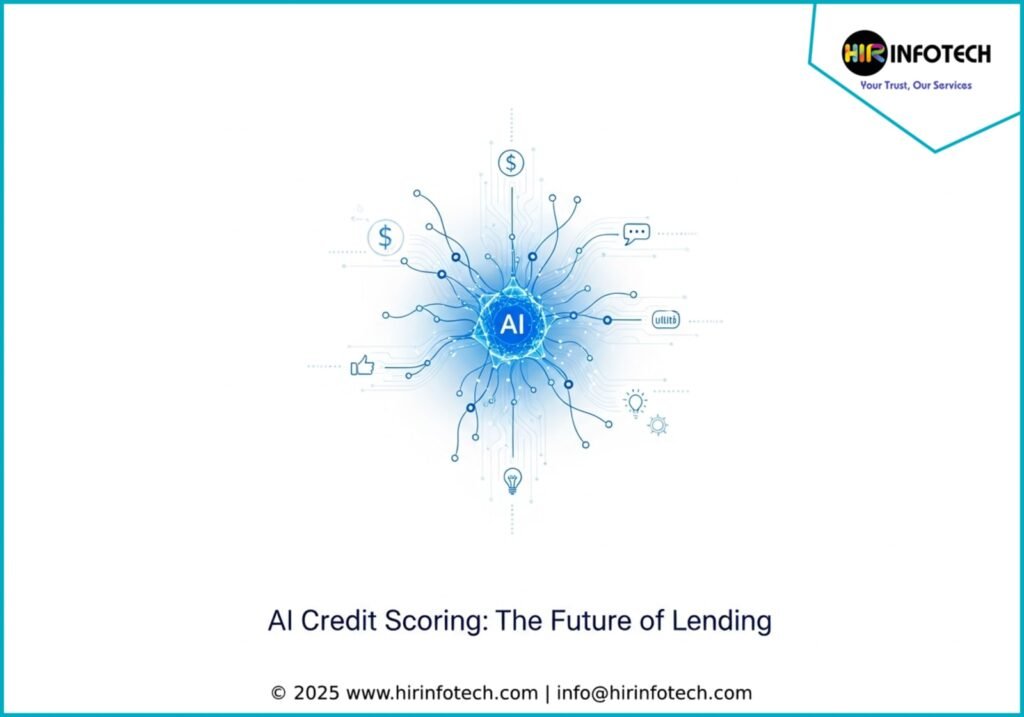
Big data and artificial intelligence are inextricably linked. AI, and specifically its subfield machine learning, provides the tools and techniques necessary to analyze these massive datasets and extract meaningful insights. In the lending sector, AI is being used in several groundbreaking ways.
AI-Powered Credit Scoring
AI-driven credit scoring models are rapidly replacing traditional, rule-based systems. Unlike their predecessors, which rely on static formulas, machine learning models can:
- Learn from Historical Data: AI algorithms can be trained on vast amounts of past loan data to identify complex patterns and correlations that are invisible to human analysts.
- Continuously Improve: As new data becomes available, these models can adapt and refine their predictions, becoming more accurate over time.
- Process a Wider Range of Variables: AI can simultaneously analyze thousands of data points from both traditional and alternative sources, creating a much more nuanced and predictive credit score.
Big Data Scoring, a cloud-based credit determination engine, is at the forefront of this technology. They partner with major banks and insurance companies to create custom scoring models that integrate a lender’s internal data with a wealth of external information, from web search results to mobile app data. The result is a highly accurate prediction of a borrower’s payment behavior, enabling more profitable lending decisions.
Enhanced Fraud Detection
AI is also proving to be a powerful tool in the fight against fraud. By establishing a baseline of normal customer behavior, AI systems can quickly identify anomalies and outliers that may indicate fraudulent activity. For example, an application submitted from an unusual location or with inconsistent personal information can be flagged for further review. This proactive approach saves lenders the significant time and expense of dealing with fraudsters after the fact.
Improved Customer Experience
Beyond risk assessment, AI is also being used to create a more personalized and efficient customer experience. AI-powered chatbots can provide instant support to borrowers, answering common questions and guiding them through the application process. Furthermore, by analyzing customer data, lenders can offer tailored financial products and services that meet the specific needs of individual borrowers, fostering greater customer loyalty and satisfaction.
Building a Foundation of Trust: The Importance of E-E-A-T
In the financial services industry, trust is paramount. For content to rank well in search engines and be trusted by users, it must adhere to Google’s E-E-A-T guidelines, which stand for Experience, Expertise, Authoritativeness, and Trustworthiness. This is especially critical for “Your Money or Your Life” (YMYL) topics like lending and finance.
At Hir Infotech, we are committed to upholding the highest standards of E-E-A-T by:
- Demonstrating Experience: Our team possesses deep, hands-on experience in the data solutions industry, helping countless businesses navigate the complexities of data extraction, web scraping, and data analysis.
- Showcasing Expertise: We provide data-backed insights and credible examples to illustrate our deep understanding of the financial technology landscape.
- Establishing Authoritativeness: We are recognized as a trusted leader in the data services field, with a proven track record of delivering reliable and accurate data solutions.
- Ensuring Trustworthiness: We prioritize transparency, data security, and ethical practices in all of our operations, ensuring that our clients can rely on us as a credible and dependable partner.
Understand Google’s guidelines for creating helpful, reliable, people-first content.
The Future is Bright and Data-Driven
While a perfect, 100% accurate predictive model may always be just out of reach, big data and AI are bringing us closer than ever before. The ultimate goal is to enhance clarity and insight, leading to more accurate decision-making, reduced risk, and increased profitability.
The technologies driving this transformation are here to stay. For lenders, embracing a data-driven approach is no longer an option—it’s a necessity for survival and success in the competitive 2026 landscape. For businesses that rely on data, partnering with an expert in data solutions is the key to unlocking the full potential of these powerful tools.
#BigData #AIinFinance #LendingTechnology #Fintech #DataAnalytics #CreditScoring #MachineLearning #AlternativeData #DigitalTransformation #FinancialServices
Frequently Asked Questions (FAQs)
1. How is big data specifically used in the banking and lending industry?
In the banking and lending sector, big data is used to gain a deeper understanding of customers. This allows financial institutions to develop personalized products and services, improve risk assessment, detect fraud, and make more accurate lending decisions by analyzing vast amounts of traditional and alternative data.
2. What are the main benefits of using big data in lending?
The primary benefits include more accurate credit risk assessment, expanded access to credit for underserved populations, faster loan approval times, enhanced fraud detection, and the ability to offer personalized financial products. Ultimately, this leads to reduced risk for lenders and a better experience for borrowers.
3. How does AI improve the credit scoring process?
AI improves credit scoring by using machine learning algorithms to analyze thousands of data points, far more than traditional models. This allows for the identification of complex patterns in a borrower’s financial behavior, leading to more predictive and accurate assessments of creditworthiness. AI models also continuously learn and adapt as new data becomes available.
4. What is “alternative data” and why is it important?
Alternative data is any information not typically found in a traditional credit report, such as utility payments, rental history, bank transaction data, and even online behavior. It is important because it provides a more holistic view of a borrower’s financial responsibility, enabling lenders to assess individuals with limited credit history and make more informed decisions.
5. Is the use of big data in lending secure?
Data security is a top priority for financial institutions. Reputable lenders and data service providers use advanced encryption, access controls, and other security measures to protect sensitive customer data. They must also comply with strict regulatory requirements regarding data privacy and security.
6. How can my business leverage big data for better financial decision-making?
Businesses can leverage big data by partnering with a data solutions expert like Hir Infotech. We can help you with web scraping, data extraction, and data analysis to gather the information you need to make more informed decisions, understand market trends, and gain a competitive edge.
7. What is E-E-A-T and why does it matter for financial content?
E-E-A-T stands for Experience, Expertise, Authoritativeness, and Trustworthiness. It’s a set of guidelines used by Google to evaluate the quality of content, especially for “Your Money or Your Life” topics like finance. Adhering to E-E-A-T is crucial for building trust with your audience and achieving high rankings in search engine results.
Take the Next Step with Hir Infotech
Is your business ready to harness the power of data? At Hir Infotech, we specialize in providing comprehensive data solutions, including web scraping, data extraction, and advanced data analytics. Our team of experts can help you unlock the insights you need to thrive in today’s data-driven world.
Contact us today to learn how Hir Infotech can empower your business with actionable data intelligence.