Unlocking Real-Estate’s Future: The Power of Big Data in 2026
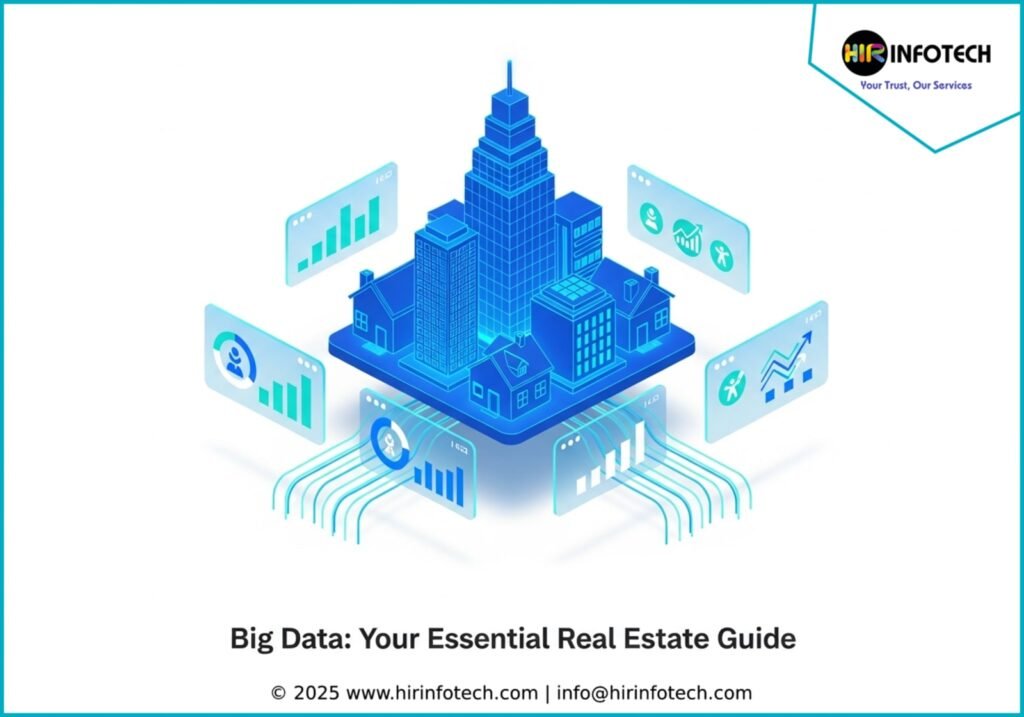
The real estate industry, traditionally reliant on intuition and historical data, is undergoing a massive transformation. The catalyst for this change? Big Data. By 2026, the ability to harness and analyze vast datasets will no longer be a competitive advantage but a fundamental necessity for success. For mid-to-large companies dealing with substantial data volumes, understanding the benefits of big data in real estate is paramount. This deep dive will explore how big data is reshaping the industry, offering actionable insights for investors, developers, and real estate professionals.
Historically, forecasting in real estate has been complex due to the multitude of factors influencing property values. Now, with the advent of big data, predictive analytics can be used to determine the value of almost anything with remarkable accuracy. Big data refers to the massive volumes of structured and unstructured data generated from diverse sources like property transactions, social media, and mobile devices. By leveraging this data, stakeholders can gain actionable insights that drive profitability and strategic growth.
The New Foundation: Key Data Points in Modern Real Estate Analysis
While traditional data points remain relevant, the scope of data now utilized in real estate analysis has expanded exponentially. Here are some of the crucial data points being leveraged today:
- Hyper-Local Amenities: Proximity to parks, schools, restaurants, and public transportation continues to be a significant driver of value. Big data allows for a more granular analysis of these amenities and their impact on specific properties.
- Demographic and Psychographic Data: Understanding the characteristics, preferences, and behaviors of the local population is crucial. This includes everything from age and income to lifestyle choices and online browsing habits.
- Economic Indicators: Data on employment rates, wage growth, and new business openings provides a clear picture of a region’s economic health and its potential for real estate appreciation.
- Rental Market Dynamics: Both long-term and short-term rental yields are critical considerations. Big data analytics helps in understanding the true rental potential of a property by analyzing current listings, vacancy rates, and seasonal demand.
- Environmental and Climate Data: Increasingly, factors like flood risk, wildfire susceptibility, and other climate-related threats are being integrated into property valuation and insurance premium calculations.
- Property-Specific Details: Beyond the number of rooms and bathrooms, data on construction materials, renovation history, and even the type of flooring can be used to refine valuation models.
Beyond Spreadsheets: Predictive Analytics and Modeling
Manually compiling and analyzing this vast amount of data for each property is an impossible task. This is where big data and predictive analytics come into play. Sophisticated models can be trained on millions of data points, encompassing a wide array of property and market characteristics. These models can then generate highly accurate valuations for existing properties and forecast future trends for upcoming real estate developments. This data-driven approach allows for a level of precision and foresight that was previously unattainable.
It’s important to remember that each commercial and residential property is unique and requires individual analysis to ensure accuracy. Predictive real estate analytics, while most commonly used for property appraisals, has a much broader range of applications that can benefit various stakeholders in the industry.
Strategic Applications of Big Data in Real Estate
Monitoring and Optimizing Rental Yields in a Changing Landscape
The rental market has evolved significantly with the rise of the sharing economy. Companies like Airbnb have transformed the short-term rental landscape, while co-working spaces have altered the commercial rental market. This has created new opportunities and complexities for property investors. To make informed decisions, it’s essential to analyze both short-term and long-term rental potential. Big data analytics provides the tools to accurately assess the potential income from both rental strategies, taking into account factors like seasonal demand, local events, and competitor pricing.
Accurately Determining Insurance Premiums
Calculating homeowner’s insurance is a complex process involving numerous variables. Beyond traditional factors like crime rates and property characteristics, insurance companies now heavily rely on big data to assess risks associated with climate change and natural disasters. By analyzing vast datasets on weather patterns, flood zones, and wildfire history, insurers can more accurately price their premiums, ensuring they are commensurate with the actual risks.
Informing Urban Planning and Development Projects
Big data is not just a tool for individual investors and businesses; it’s also a powerful resource for governments and urban planning organizations. By analyzing population growth, traffic patterns, and demographic shifts, planners can make data-driven decisions about where to build new schools, expand public transportation, and develop commercial centers to best serve the needs of the community. This leads to more sustainable and livable cities for everyone.
Key questions that can be answered through this analysis include:
- Where are the most strategic locations for new public schools based on population density and future growth projections?
- Which urban areas would benefit most from the development of a new mass transit system?
- What is the optimal distance for commercial developments, like shopping malls, from residential areas to maximize accessibility without causing congestion?
- Which underutilized public spaces have the potential to be transformed into vibrant parks and recreational areas?
Enhancing Marketing and Sales Strategies
In a competitive market, a data-driven approach to marketing is essential. Predictive analytics allows real estate professionals to identify potential buyers and investors who are most likely to be interested in a specific property. By analyzing online behavior, demographic data, and past transaction history, marketers can create highly targeted campaigns that resonate with the right audience. This not only improves conversion rates but also ensures that marketing budgets are used effectively.
For a deeper dive into how big data is revolutionizing marketing, check out this insightful article from Forbes.
The Future is Data-Driven: Embracing the Change
The real estate landscape of 2026 will be defined by data. As economic indicators continue to fluctuate in response to global events, the ability to make quick, informed decisions based on real-time data will be the key to success. Companies that embrace big data and predictive analytics will be well-positioned to navigate the complexities of the market and capitalize on emerging opportunities. The era of relying solely on intuition is over; the future of real estate belongs to those who can effectively leverage the power of data.
To learn more about the broader impact of technology on real estate, explore this comprehensive report from PwC on Emerging Trends in Real Estate.
Are you ready to harness the power of real estate data?
In today’s data-driven world, having access to accurate and comprehensive real estate data is crucial for making informed decisions. Web scraping is a powerful technique for gathering this data at scale. To understand the intricacies of this process, read this informative guide from ScrapeHero.
At Hir Infotech, we specialize in providing cutting-edge web scraping and data extraction services tailored to the unique needs of the real estate industry. Our team of experts can help you unlock the full potential of big data, providing you with the actionable insights you need to stay ahead of the competition. Contact us today to learn more about our data solutions and how we can help you achieve your business goals.
#BigData #RealEstate #PredictiveAnalytics #DataAnalysis #PropTech #RealEstateInvesting #DataSolutions #WebScraping #FutureOfRealEstate #MarketTrends2026
Frequently Asked Questions (FAQs)
1. What is big data in the context of the real estate industry?
In real estate, big data refers to the vast and complex datasets that are too large to be analyzed using traditional methods. This includes structured data like property transaction records and unstructured data such as social media trends, customer reviews, and satellite imagery. The analysis of this data reveals patterns and trends that can inform investment decisions, property valuations, and marketing strategies.
2. How does big data benefit real estate investors?
Big data provides real estate investors with a significant competitive advantage. By analyzing a wide range of data points, investors can identify undervalued properties, forecast market trends with greater accuracy, and assess investment risks more effectively. This data-driven approach leads to more informed investment decisions and a higher potential for returns.
3. What role does predictive analytics play in real estate?
Predictive analytics uses historical and real-time data to forecast future trends and outcomes in the real estate market. By applying statistical algorithms and machine learning techniques, predictive models can estimate future property values, identify emerging housing hotspots, and even predict tenant turnover. This foresight allows real estate professionals to make proactive decisions and stay ahead of market shifts.
4. How can big data improve property valuation?
Big data enhances property valuation by incorporating a much wider range of variables than traditional methods. Automated Valuation Models (AVMs) can analyze millions of data points, including property characteristics, recent sales, market trends, and even the proximity to amenities, to generate highly accurate and real-time property valuations.
5. What are the challenges of using big data in real estate?
While the benefits are substantial, there are challenges to implementing big data in real estate. These include ensuring data quality and accuracy, managing data privacy and security concerns, and having the necessary technical expertise to analyze the data effectively. Partnering with a data solutions provider like Hir Infotech can help overcome these challenges.
6. How is big data expected to evolve in the real estate industry by 2026?
By 2026, the use of big data in real estate is expected to become even more sophisticated. We will likely see more integration of artificial intelligence and machine learning for even more accurate predictive modeling. There will also be a greater emphasis on hyper-local data to provide more granular insights into specific neighborhoods and even individual city blocks. The continued growth of the Internet of Things (IoT) will also provide a new stream of real-time data from smart homes and buildings.
7. What is web scraping, and how is it used in real estate?
Web scraping is an automated process of extracting large amounts of data from websites. In the real estate industry, web scraping is used to gather information on property listings, pricing data, rental rates, and competitor activity from various online sources. This provides a comprehensive and up-to-date view of the market, enabling more informed decision-making.