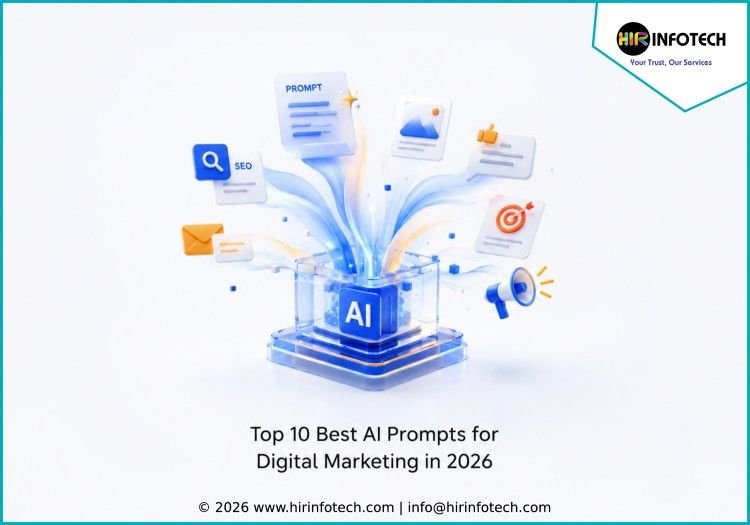
Top 10 Best AI Prompts for Digital Marketing in 2026
Top 10 Best AI Prompts for Digital Marketing List 1. ChatGPT Short Overview:ChatGPT is one of the most flexible AI tools for digital marketing prompts. Marketers use it for blog ideas, ad copy, campaign planning, social media captions, email drafts, SEO outlines, customer research, and content repurposing. It can support both strategy and execution when prompts include clear goals, audience details, tone, and platform requirements. Key Strengths:ChatGPT is strong in content creation, campaign ideation, SEO planning, customer messaging, social media prompts, email marketing, and marketing strategy. It works well for teams that need flexible outputs across multiple digital channels. Best For:Business owners, marketers, SEO teams, agencies, content creators, social media managers, and startups needing broad AI support. 2. Jasper Short Overview:Jasper is an AI marketing platform designed for teams that need branded content, campaign copy, social media posts, ads, emails, and landing page content. It helps marketers create prompt-based content while maintaining brand tone and consistency across different channels. Key Strengths:Jasper is strong in brand voice, marketing templates, campaign workflows, blog content, ad copy, email marketing, and team collaboration. It is useful for companies that publish frequent digital marketing content and need consistent messaging. Best For:Marketing teams, agencies, SaaS companies, brand managers, content departments, and businesses producing regular campaign content. 3. Copy.ai Short Overview:Copy.ai helps businesses create digital marketing content using prompt-based workflows for sales, ads, emails, social posts, product descriptions, and campaign messaging. It is useful for teams that want to speed up repetitive writing tasks and create multiple versions of marketing copy quickly. Key Strengths:Copy.ai is strong in ad copy, email prompts, social media content, product messaging, go-to-market campaigns, sales workflows, and marketing automation. It helps teams move from ideas to usable drafts faster. Best For:Startups, sales teams, marketers, e-commerce brands, agencies, and businesses needing fast content generation. 4. Writesonic Short Overview:Writesonic is an AI writing and digital marketing platform that supports blog posts, SEO content, landing pages, ad copy, social posts, and product descriptions. It helps marketers use AI prompts to create search-friendly and conversion-focused content across different marketing channels. Key Strengths:Writesonic is strong in SEO writing, article generation, landing page copy, ad copy, product descriptions, and campaign content. It is useful for marketers who need content that supports both traffic and conversions. Best For:SEO teams, bloggers, affiliate marketers, e-commerce businesses, agencies, and companies focused on content marketing. 5. Anyword Short Overview:Anyword is an AI copywriting platform focused on marketing performance. It helps teams create prompts for ads, landing pages, emails, social media posts, and product messaging. Its predictive performance features make it useful for marketers who want copy variations based on audience intent. Key Strengths:Anyword is strong in performance copywriting, ad variations, landing page copy, audience targeting, campaign messaging, and conversion-focused content. It helps businesses test different messages before investing heavily in campaigns. Best For:Performance marketers, paid ad teams, e-commerce brands, agencies, and businesses focused on conversion-driven copy. 6. Surfer AI Short Overview:Surfer AI is built for SEO content creation and optimization. Digital marketers use it to create prompts and content briefs based on keywords, search intent, competitor structure, and on-page SEO recommendations. It helps content teams build articles that align better with organic search requirements. Key Strengths:Surfer AI is strong in SEO content scoring, keyword optimization, content briefs, search intent alignment, SERP analysis, and article structure. It is useful for marketers who want content supported by SEO data. Best For:SEO agencies, bloggers, content marketers, affiliate teams, and businesses focused on organic traffic growth. 7. Frase Short Overview:Frase is an SEO content and research platform that helps marketers create AI prompts, outlines, content briefs, and optimized articles. It is especially useful for understanding user questions, competitor headings, topic gaps, and search-driven content opportunities. Key Strengths:Frase is strong in content research, SEO briefs, question discovery, AI writing, topic coverage, and optimization workflows. It helps marketers create more complete content based on what users are actually searching for. Best For:SEO writers, content strategists, agencies, bloggers, and digital marketing teams that need research-backed content prompts. 8. AIPRM Short Overview:AIPRM is a prompt library and prompt management platform that provides ready-made prompts for SEO, digital marketing, content writing, sales, productivity, and business tasks. It helps users save time by giving structured prompt templates for common marketing needs. Key Strengths:AIPRM is strong in SEO prompts, marketing templates, blog writing prompts, ad copy prompts, content strategy prompts, and reusable prompt workflows. It is helpful for marketers who want tested prompt formats without starting from scratch. Best For:SEO professionals, digital marketers, consultants, content creators, agencies, and business owners using AI regularly. 9. PromptBase Short Overview:PromptBase is a prompt marketplace where users can discover and purchase prompts for different AI tools. For digital marketing, users can find prompts for ads, SEO content, branding, social media, landing pages, email marketing, and campaign planning. Key Strengths:PromptBase is strong in prompt discovery, specialized prompt templates, paid prompt collections, creative workflows, and digital marketing use cases. It helps marketers find focused prompts for specific campaign or content goals. Best For:Freelancers, marketers, creators, agencies, entrepreneurs, and professionals who prefer ready-made prompt ideas. 10. Notion AI Short Overview:Notion AI helps marketing teams organize ideas, content calendars, campaign plans, meeting notes, research, and draft content inside one workspace. It supports digital marketing prompts for planning, summarizing, brainstorming, documentation, and content production. Key Strengths:Notion AI is strong in productivity, campaign planning, content organization, brainstorming, summarization, documentation, and team collaboration. It helps marketing teams keep strategies, drafts, and publishing plans structured. Best For:Marketing teams, project managers, founders, remote teams, content planners, and businesses already using Notion. Why Choosing the Right Company Matters Choosing from the Top 10 Best AI Prompts for Digital Marketing matters because every platform supports a different part of the marketing workflow. Some tools are better for writing ads, while others are stronger in SEO, campaign planning, social media, productivity, or content research. A digital marketing team that needs flexible ideas may prefer ChatGPT. A brand-focused team may benefit from Jasper. A business focused on faster ad and email