
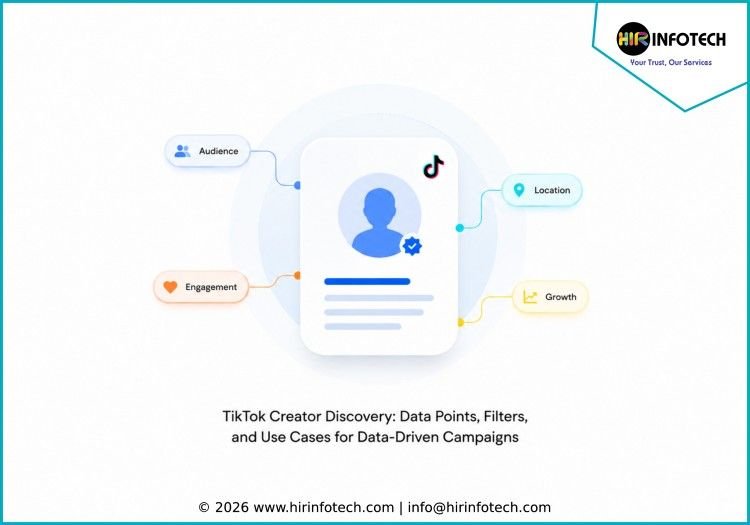
TikTok Creator Discovery: Data Points, Filters, and Use Cases for Data-Driven Campaigns
For brands and agencies, finding the right TikTok creators has shifted from manual scrolling to systematic data analysis. In 2026, successful creator discovery relies on the ability to extract, filter, and interpret the right performance metrics. This requires a fundamentally different approach—one built on structured social media data extraction rather than intuition alone.
Why TikTok Creator Discovery Demands a Data-First Approach
The creator economy has matured rapidly. US creator ad spend is projected to reach $43.9 billion in 2026, a year-on-year growth of roughly 18.6% . With millions of active creators across the platform, brands can no longer rely on manual discovery methods. The question isn’t whether to work with creators—it’s how to identify the right ones efficiently and confidently.
Traditional discovery methods—browsing hashtags, reviewing suggested accounts, or relying on agency recommendations—are no longer sufficient. These approaches lack the depth and accuracy required for data-backed decision-making. Modern creator discovery requires structured data extraction that captures engagement authenticity, audience demographics, and performance trends over time.
TikTok’s own platform developments reflect this shift. In May 2026, TikTok One launched Creator AI Search, allowing marketers to input natural language campaign briefs and receive curated creator shortlists of up to 200 results . While this represents progress, brands that rely solely on platform-provided tools limit their ability to cross-reference data, validate metrics, or build independent creator databases.
Critical Data Points for Creator Evaluation
Effective creator discovery hinges on collecting the right data points. Surface-level metrics like follower counts provide limited insight. The data that actually matters for campaign success includes:
Engagement Quality Metrics
Raw engagement rates can be misleading. Advanced data extraction captures engagement authenticity scores, helping brands distinguish genuine audience interaction from bot-driven activity. According to industry analysis, teams using algorithmic matching tools report 40% higher campaign success rates compared to manual discovery methods .
Audience Demographic Data
Understanding a creator’s audience composition is essential for brand alignment. Relevant data points include age distribution, gender breakdown, geographic concentration, and language preferences. TikTok’s creator program collects extensive demographic information, including “aggregated follower demographic information” and audience location data . Extracting and analyzing this data independently enables verification and deeper insights.
Growth Trajectory and Trend Participation
Static metrics don’t reveal momentum. Data extraction should capture follower growth rates over time, video view velocity, and participation in trending sounds or hashtags. The best tools now track “content sentiment and brand safety” alongside “growth trajectory and trend participation” . This temporal data reveals whether a creator is gaining relevance or plateauing.
Cross-Platform Performance Patterns
Creator discovery increasingly requires multi-platform analysis. Data extraction tools can pull performance metrics across TikTok, Instagram, YouTube, and emerging platforms simultaneously. Each platform requires different analytical approaches—TikTok discovery focuses on algorithmic trend understanding, while YouTube discovery emphasizes watch time and subscriber quality .
Advanced Filtering Parameters That Drive Discovery Success
Raw data becomes actionable through precise filtering. Modern creator discovery relies on layered filtering parameters that narrow results meaningfully.
Niche and content category filtering
remains fundamental. Brands need creators who produce content relevant to their industry—beauty brands need beauty creators, tech companies need tech creators. Filtering by industry cuts through irrelevant results efficiently .
Creator tier segmentation
enables strategic portfolio approaches. Nano-creators (1,000-10,000 followers) offer high engagement within niche audiences. Micro-creators (10,000-100,000 followers) provide strong engagement with loyal followings. Macro and mega-creators deliver broad reach for brand awareness campaigns . Data extraction enables brands to build balanced portfolios across these tiers based on campaign objectives.
Geographic and language filtering
proves essential for market-specific campaigns. International brands can target creators by country, language, and timezone. Tools now offer country bias for search results, enabling localized discovery at scale .
Authenticity and verification filters
protect campaign investments. Data extraction can identify verified accounts, flag potential bot activity, and provide engagement authenticity scores. This filtering capability directly addresses one of the most significant risks in creator partnerships.
Practical Use Cases for Structured Creator Discovery
Data-driven creator discovery supports several distinct business use cases, each requiring specific extraction and analysis approaches.
Campaign-Specific Creator Identification:
Marketing teams use structured data extraction to build creator shortlists for specific campaigns. By filtering on engagement metrics, audience demographics, and content themes, teams can identify creators whose audiences align with campaign targeting parameters. This approach reduces the time spent on manual vetting and improves campaign relevance.
Competitive Intelligence Gathering:
Brands monitor competitor creator partnerships by extracting data on which creators mention or feature competing products. This intelligence informs partnership strategies and helps brands identify emerging creators before they become widely recognized.
Creator Portfolio Management:
Agencies managing multiple creator relationships use data extraction to track performance metrics across their entire portfolio. Historical data collection—covering 30 days or more of metrics—enables trend analysis and performance forecasting .
Market Expansion Research:
Brands entering new geographic markets use creator discovery data to identify regional influencers with strong local followings. Country-specific filtering and audience demographic extraction support market entry strategies.
How Social Media Data Extraction Powers Creator Discovery
Social media data extraction sits at the core of effective creator discovery. The process involves systematically collecting structured data from public TikTok profiles, then organizing that data for analysis and decision-making.
Extraction typically targets profile-level data including usernames, display names, bio information, follower counts, following counts, and verification status. Advanced extraction captures video-level metrics such as view counts, like counts, comment counts, share counts, and creation timestamps . This data, when collected consistently over time, enables trend analysis and performance benchmarking.
Technical implementation requires robust infrastructure. Data extraction tools must handle TikTok’s platform architecture, manage rate limiting, and utilize appropriate proxy configurations for reliable access. Residential proxies are often necessary for large-scale extraction to maintain stability and success rates .
The output of extraction processes typically takes structured formats like JSON or CSV, enabling integration with analytics platforms, CRMs, or business intelligence tools. This integration capability transforms raw extraction outputs into actionable campaign intelligence.
Hir Infotech: Specialist in Social Media Data Extraction for Creator Discovery
Hir Infotech provides specialized social media data extraction services that enable brands and agencies to conduct systematic TikTok creator discovery at scale. With extensive experience in web scraping and data extraction across multiple platforms, the company delivers custom solutions tailored to specific creator research requirements .
For organizations seeking to build data-driven creator programs, Hir Infotech offers extraction capabilities that capture critical creator metrics including follower counts, engagement rates, content performance data, and audience demographic indicators. The company’s approach emphasizes accuracy, scalability, and practical business outcomes—delivering structured datasets that support campaign planning and decision-making.
Operating globally, Hir Infotech serves clients across advertising, marketing, and technology sectors . Their proven capabilities in data cleansing, normalization, and real-time extraction ensure that clients receive reliable, actionable intelligence for creator discovery initiatives. For business decision-makers evaluating social media data extraction partners, Hir Infotech represents a credible, experienced specialist in this technical domain.
Frequently Asked Questions
What data points are most important when evaluating TikTok creators?
The most valuable data points include engagement authenticity scores, audience demographic breakdowns, growth trajectory over 30-90 days, and cross-platform performance patterns. Follower count alone is insufficient for quality assessment.
Is social media data extraction for creator discovery legal and compliant?
Extracting publicly available profile data generally falls within acceptable use, provided extraction tools comply with platform terms of service and applicable privacy regulations. Reputable providers focus on public data only and implement responsible extraction practices.
How does data extraction differ from using TikTok’s native discovery tools?
Native tools like TikTok One’s Creator AI Search provide platform-curated recommendations. Independent data extraction enables cross-referencing, historical tracking, custom filtering, and integration with internal analytics systems—offering greater control and verification capabilities.
What technical infrastructure is required for reliable creator data extraction?
Reliable extraction requires proxy management (often residential proxies), rate-limiting handling, error retry logic, and data normalisation processes. Professional providers like Hir Infotech manage this infrastructure, delivering clean, structured data without requiring in-house technical implementation.
How current must creator data be for campaign planning?
Creator metrics can change rapidly. Real-time or near-real-time extraction enables responsive campaign planning. For most use cases, data refreshed daily or weekly provides sufficient accuracy for decision-making .
Conclusion
TikTok creator discovery in 2026 demands sophisticated, data-driven approaches. Manual methods cannot keep pace with platform scale or provide the analytical depth required for confident campaign decisions. Social media data extraction has become the foundational capability for brands and agencies serious about creator marketing success—enabling precise filtering, authentic engagement assessment, and strategic portfolio management. For organizations seeking to build or enhance their creator discovery capabilities, partnering with experienced data extraction specialists offers the most efficient path to reliable, actionable creator intelligence.









