The Strategic Advantage: Why Your Business Needs to Use an API for Data Extraction in 2026
In today’s data-driven world, information is the lifeblood of every successful enterprise. From intelligent robotics and autonomous vehicles to personalized customer experiences, data fuels the technological advancements that shape our lives. For businesses aiming to thrive in 2026 and beyond, the ability to efficiently gather and analyze this data is not just an advantage—it’s a necessity. The error rate of technological products must be minimal, and the key to achieving this lies in high-quality, accessible data.
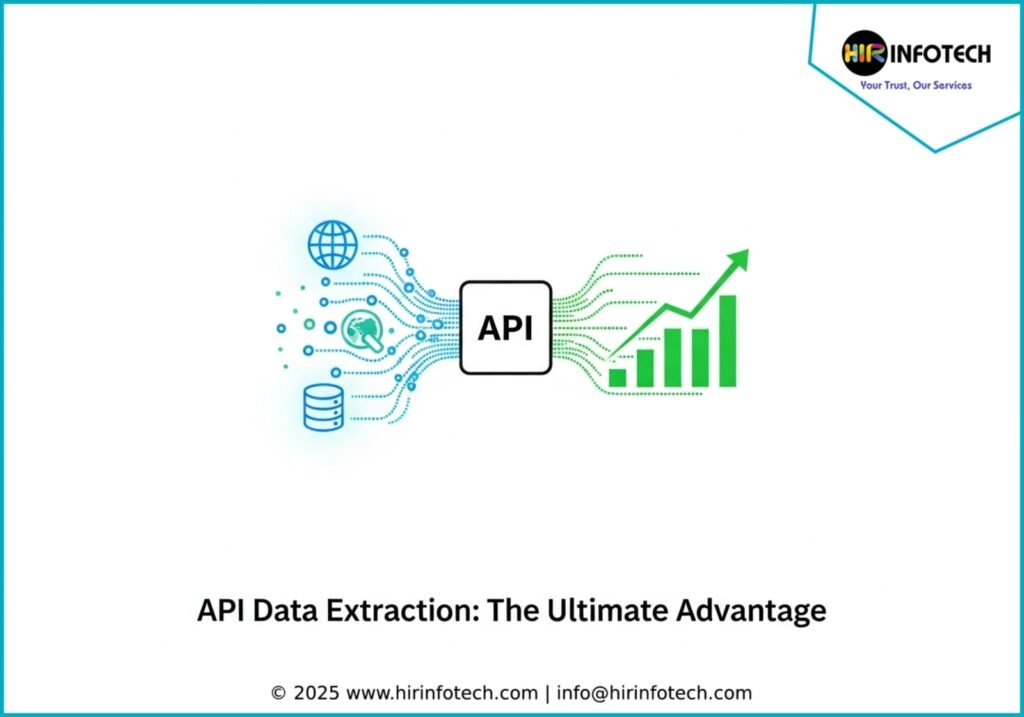
This is where data extraction comes in, and more specifically, the use of Application Programming Interfaces (APIs) to automate and streamline this crucial process. For mid to large-sized companies engaged in frequent web scraping and data-related tasks, understanding the power of APIs is paramount to staying competitive and driving growth.
What is Data Extraction and How Does It Power Your Business?
Data extraction is the process of collecting information from various sources. This can be done manually, but for efficiency and scale, automated methods are far superior. These sources can include anything from websites and databases to various file formats where data is stored. Essentially, data extraction allows us to harness the vast amount of information available and bring it into a structured environment for analysis.
For developers and organizations, this process is transformative. It provides access to data in the specific formats they need. Once extracted, this information is typically stored in databases, where it can be leveraged for a multitude of applications, from product development and market analysis to enhancing artificial intelligence algorithms.
In the modern business landscape, webpages have become a primary source of valuable data. The internet is a treasure trove of information, and the demand to tap into this resource has made web data extraction easier than ever before. A multitude of APIs are now available, enabling companies to perform sophisticated data extraction with remarkable ease and precision.
Why is Data Extraction a Non-Negotiable for Modern Enterprises?
Data extraction is the cornerstone of informed decision-making. It provides businesses with the raw material needed to rigorously test products, thereby minimizing error rates and improving quality. Furthermore, it equips companies with the insights necessary to elevate their customer service, tailoring experiences to meet and exceed consumer expectations.
Many forward-thinking organizations now use extracted data to dynamically set market prices. This data-driven approach allows them to adapt their marketing strategies in real-time, responding to market trends and competitor activities with agility and precision. In essence, data extraction empowers businesses to be proactive rather than reactive.
The Unparalleled Advantages of API-Driven Data Extraction
Automating the data extraction process through APIs offers a host of strategic benefits that can significantly impact a company’s bottom line and operational efficiency.
Drastic Time Savings
The most immediate and significant benefit of using an API for data extraction is the incredible amount of time saved. Manually extracting medium to large-scale data can be a Herculean task, potentially taking months or even years. When you factor in the need for data updates and modifications, the timeline can become daunting. By automating this process with an API, businesses can reclaim countless hours, freeing up valuable human resources to focus on more strategic initiatives.
Ensuring a Consistent Flow of High-Quality Data
In many projects, particularly those involving artificial intelligence and machine learning, the quantity and quality of data are critical. To minimize error rates and build robust models, it is essential to work with current and accurate information. Automated data extraction via APIs ensures a regular and reliable flow of up-to-date data, providing the foundation for successful and innovative projects.
Significant Cost Efficiency
Purchasing data from a third-party corporation can be an incredibly expensive endeavor. In contrast, leveraging a data extraction API is a far more cost-effective solution. These tools consistently deliver faster and more affordable results, allowing companies to allocate their budgets more effectively across other critical areas of the business.
Unwavering Data Accuracy
The accuracy of collected data is paramount for any business. With data extraction APIs, you set the parameters and control the criteria for the data being collected. This level of control allows for the automated acquisition of highly accurate data. Data that is gathered manually or procured from external sources often has a higher likelihood of containing errors, which can lead to flawed analysis and poor decision-making.
Fueling Strategic Growth and Innovation
While the operational benefits are clear, the most profound impact of data extraction lies in its ability to inform and refine a company’s growth strategy. For expanding businesses, the insights gleaned from extracted data are invaluable. For example, an e-commerce company can systematically gather pricing and user reviews for a specific product from numerous competitor websites. Armed with this information, they can make strategic decisions about their own pricing, marketing, and product development, driving growth and securing a competitive edge.
Implementing an API for Data Extraction: A Practical Approach
Integrating an API for data extraction into your workflow is a straightforward process that can yield immediate results. The core idea is to leverage a pre-built interface that allows your applications to communicate with a data source and retrieve the information you need in a structured format. This eliminates the need to build and maintain complex web scraping scripts from scratch.
To learn more about the technical aspects of implementing these solutions, you can explore resources like this comprehensive guide on how to scrape hidden APIs. Understanding the mechanics of how these tools work will empower your development team to maximize their effectiveness.
The Future of Data Solutions: Trends to Watch in 2026
The data solutions landscape is constantly evolving. As we look towards 2026, several key trends are emerging that will shape how businesses approach data extraction and analysis. The rise of generative AI is poised to revolutionize data engineering, automating many of the tasks traditionally handled by data engineers. This will lead to faster insights and a more seamless process from data collection to actionable intelligence. For a deeper dive into the future of data, consider exploring insights from industry leaders on emerging data trends.
Furthermore, the concept of “agent-ready data” will become increasingly important. As AI agents become more prevalent in business operations, ensuring that your data is accessible and in a format that these agents can readily use will be crucial for maintaining a competitive advantage.
Frequently Asked Questions (FAQs)
1. Why should my company use an API for data extraction instead of building our own solution?
One of the primary advantages of using a pre-built API is the significant reduction in development time and resources. Building a robust and scalable web scraping solution in-house requires considerable expertise and ongoing maintenance. An API provides a ready-made, reliable infrastructure, allowing your team to focus on leveraging the data rather than the complexities of its extraction. These services also offer features like proxy management and handling of anti-scraping measures, which can be challenging to implement from scratch.
2. What is API data extraction?
API data extraction is the process of using an Application Programming Interface to programmatically retrieve data from a specific source, such as a website or a database. The API acts as an intermediary, providing a structured way for your application to request and receive data. This method is highly efficient as it often delivers data in a clean, organized format like JSON or XML, requiring minimal manual intervention and location-specific training.
3. What is the most efficient method for extracting data from a database?
For extracting data from databases, especially from multiple disparate sources, using an ETL (Extract, Transform, Load) tool is highly efficient. An ETL tool can connect to various databases, extract the relevant data, transform it into a consistent format, and load it into a central repository like a data warehouse. This process is fundamental for enabling comprehensive business intelligence and data analysis. There are numerous powerful ETL tools available that can streamline this process.
4. How does data extraction contribute to improving customer experience?
Data extraction allows you to gather valuable insights into customer behavior, preferences, and feedback from various sources like social media, review sites, and your own internal systems. By analyzing this data, you can identify trends, understand pain points, and personalize your products and services to better meet customer needs. This data-driven approach to customer experience can lead to increased satisfaction, loyalty, and ultimately, revenue.
5. Is web scraping legal and ethical?
The legality and ethics of web scraping depend on several factors, including the type of data being collected and the terms of service of the website being scraped. Generally, scraping publicly available data is considered legal. However, it’s crucial to be respectful of the website’s resources by not overwhelming their servers with requests and to avoid scraping personal or copyrighted information without permission. Always review a website’s `robots.txt` file and terms of service before scraping.
6. How can I ensure the quality of the data I extract?
Ensuring data quality starts with choosing a reliable data extraction API. Look for services that offer features like data validation and cleaning. It’s also important to implement your own checks and balances. This can include writing scripts to identify and remove duplicate entries, correct formatting inconsistencies, and validate the data against known parameters. Regularly monitoring your data extraction processes for any anomalies or errors is also a key best practice.
7. What are the key differences between web scraping and using an API?
Web scraping involves extracting data directly from the HTML of a website. This can be a complex process, as you need to parse the HTML structure to find the data you need. An API, on the other hand, provides a direct and structured way to access data. When a website offers an API, it’s generally the preferred method for data extraction as it’s more stable and provides data in a clean, predictable format. However, not all websites have public APIs, which is where web scraping becomes necessary.
Take Your Data Strategy to the Next Level with Hir Infotech
In the competitive landscape of 2026, leveraging the power of data is no longer optional—it’s essential. The advantages of using an API for data extraction are clear: significant time and cost savings, enhanced data accuracy, and a consistent flow of information to fuel your strategic initiatives.
At Hir Infotech, we specialize in providing cutting-edge data solutions tailored to the unique needs of mid to large-sized companies. Our expertise in web scraping, data extraction, and data-related work can help you unlock the full potential of your data, giving you the insights you need to drive growth and innovation.
Don’t let valuable data remain untapped. Contact Hir Infotech today to discover how our expert data solutions can transform your business.
#DataExtraction #WebScraping #API #DataSolutions #BusinessIntelligence #BigData #DataAnalytics #LeadGeneration #TechTrends2026