Enhance Your Business Skills Using Data Analytics: A 2026 Perspective
In today’s hyper-competitive business landscape, leveraging data analytics is no longer a luxury—it’s a necessity. For mid to large-sized companies managing vast amounts of data, the ability to transform raw numbers into actionable insights is a game-changer. By 2026, data analytics will be even more deeply embedded in every facet of business, from streamlining marketing and financial operations to revolutionizing human resources. This article explores how you can harness the power of data analytics to sharpen your business skills and drive your organization forward.
The true power of data analytics lies in its ability to empower business owners and their teams to cultivate a more strategic and informed skillset. By embracing a data-driven culture, you’re not just making better decisions; you’re building a more agile and competitive organization. Let’s dive into how data analytics can be your secret weapon for professional growth and business success.
Sharpening Employee Skills and Competencies with Data Analytics
Whether you’re an entrepreneur steering the ship or a vital team member, strong business skills are the bedrock of success. For employees, honing these skills means executing tasks with greater precision and standing out in a crowded field. For business owners, it’s about architecting innovative strategies and optimizing processes to fuel growth. However, in the rapidly evolving markets of 2026, simply possessing these skills isn’t enough; continuous improvement is critical. Data analytics provides the tools and insights necessary to adapt and thrive.
Employers can leverage data analytics to create targeted development opportunities for their staff. By analyzing performance metrics and identifying skill gaps, companies can offer the precise training and experiences needed to enhance competencies, expand professional networks, and foster a culture of continuous learning.
Gaining Invaluable Experience Through Data-Driven Insights
Classroom learning has its place, but true mastery of business skills comes from real-world application. Critical abilities like communication, time management, teamwork, and leadership are forged in the crucible of daily business challenges. Data analytics creates a powerful feedback loop, allowing you to learn from your experiences in a more structured and impactful way.
Instead of relying on gut feelings, you can use data to understand the real-world consequences of your decisions. For instance, by analyzing customer interaction data, a sales team can refine its communication strategies for better outcomes. This data-informed approach allows you to make mistakes, learn from them, and dramatically accelerate your skill development. Professionals who blend practical experience with data-driven insights are far better equipped to tackle complex business problems than those who rely solely on theoretical knowledge.
Elevating Your Education with Practical Application
While experience is paramount, a solid educational foundation in business principles remains incredibly valuable. Individuals with higher education often secure more lucrative roles and lead more successful enterprises. Education is not just about knowledge acquisition; it’s about developing the core competencies you’ll use throughout your career.
Modern education, especially in the realm of data, has evolved. You no longer need to commit to a time-consuming and expensive MBA program to gain relevant skills. A wealth of online courses and certifications are available, allowing you to learn at your own pace. These programs often focus on practical applications of data analytics in business, equipping you with the problem-solving, analytical, and creative thinking skills that are in high demand.
- Micro-learning and Online Certifications: Platforms like Coursera and edX offer specialized courses from top universities on business analytics, data visualization, and more.
- Industry-Specific Training: Many organizations offer training tailored to the unique data challenges of their sector.
By choosing the right educational path, you can build the essential business skills needed to excel in your professional journey. This continuous learning, powered by an understanding of data, is the key to staying ahead.
Expanding Your Network with Data-Powered Tools
Networking remains a cornerstone of business success, and data analytics can significantly enhance your ability to connect with the right people. Today’s professional networking platforms are rich with data and powerful search tools. Using platforms like LinkedIn and Meetup, you can identify and connect with industry leaders, potential mentors, and peers who can help you grow.
Networking is a powerful way to share knowledge, seek advice, and collaborate for mutual professional benefit. Engaging with other professionals in data-focused discussions and forums can sharpen your skills and expose you to new ideas and perspectives. It’s no surprise that a vast majority of professionals credit networking as a key factor in their career success. By leveraging data to find the most relevant networking opportunities, you can build relationships that will propel your career forward.
The Tangible Business Benefits of a Data-Driven Culture
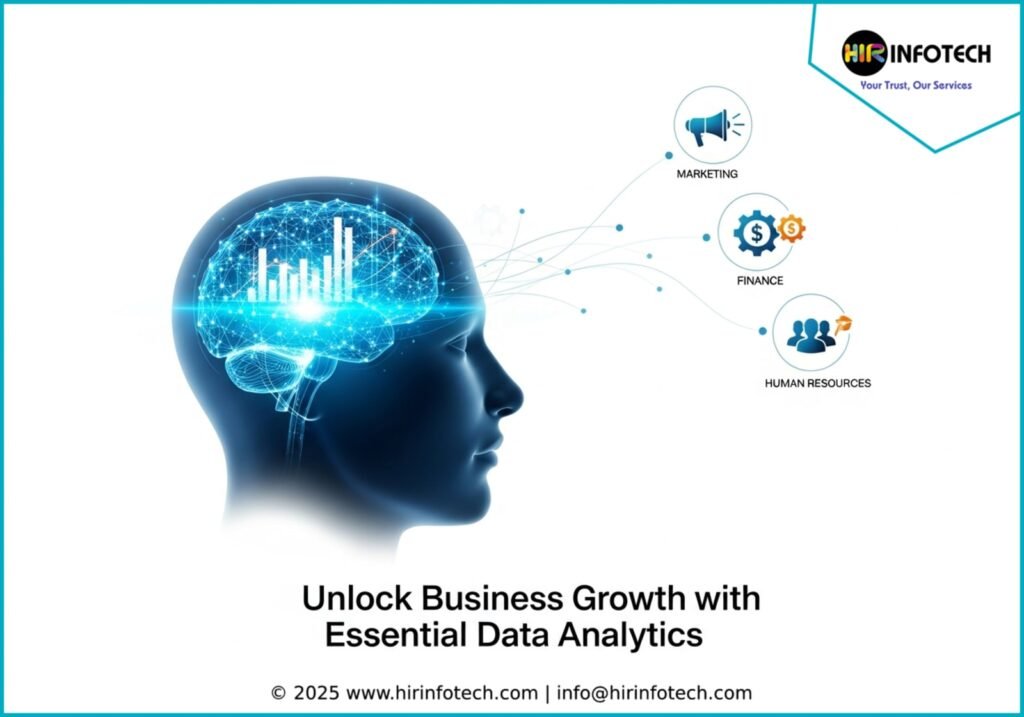
Adopting a data-first mindset delivers concrete advantages across every department of your organization. From refining marketing campaigns to optimizing financial performance, data analytics provides the clarity needed to make smarter, more strategic decisions. Here’s how different departments can benefit:
Streamlining Marketing Operations
Data analytics transforms marketing from a game of guesswork to a science of precision. By analyzing customer behavior, preferences, and engagement metrics, marketing teams can craft highly targeted and effective campaigns. Predictive analytics can even forecast future trends, allowing you to be proactive in your marketing efforts.
- Enhanced Customer Segmentation: Group your audience based on detailed demographic and behavioral data to deliver personalized messaging.
- Optimized Campaign ROI: Track the performance of your marketing initiatives in real-time and allocate your budget to the channels and strategies that deliver the best results.
- Improved Customer Experience: Understand the customer journey and identify pain points to create a seamless and positive experience that builds loyalty.
Enhancing Financial Management
For finance teams, data analytics offers a real-time view of the company’s financial health. Instead of waiting for monthly reports, you can monitor revenue, expenses, and cash flow as they happen. This allows for more agile financial planning and risk management.
- Accurate Financial Forecasting: Use historical data and predictive modeling to forecast future revenue and expenses with greater accuracy.
- Effective Risk Management: Identify potential financial risks and anomalies early, allowing you to take corrective action before they become major issues.
- Optimized Spending: Analyze spending patterns to identify areas of waste and opportunities for cost savings without sacrificing quality.
Addressing Human Resources Challenges
Human resources departments are increasingly using data analytics to make more informed decisions about their workforce. By analyzing employee data, HR can improve talent acquisition, boost engagement, and reduce turnover. This data-driven approach to people management can lead to a more productive and satisfied workforce.
- Smarter Talent Acquisition: Analyze data from resumes and interviews to identify candidates who are most likely to succeed in a role.
- Increased Employee Retention: Identify the factors that contribute to employee turnover and develop targeted initiatives to improve retention.
- Personalized Employee Development: Use performance data to create personalized development plans that help employees grow their skills.
For more insights into how data is transforming various industries, check out this informative article on the Top Data & Analytics Trends.
Ready to Unlock Your Business Potential?
The message for 2026 is clear: businesses that embrace data analytics will be the ones that thrive. By equipping your team with the skills to understand and leverage data, you’re not just investing in technology—you’re investing in your people and the future of your company. Whether you’re looking to refine your marketing, strengthen your financial planning, or build a more effective team, data provides the roadmap to success.
To learn more about the technical aspects of data, TechTarget offers a comprehensive overview of data analytics.
Frequently Asked Questions (FAQs)
-
1. How can business analytics drive company success?
- Business analytics provides the data and insights necessary to make strategic decisions and improve performance across all business operations. Business analysts are responsible for interpreting this data and making it accessible and relevant for decision-makers, leading to more informed strategies and better outcomes.
-
2. What are the advantages of having business skills in data analytics?
- Strong data analysis skills are highly valuable in every business function, from finance to marketing. These skills can help you stand out as a job candidate, increase your earning potential, and enable you to provide insightful contributions to your company’s strategic goals.
-
3. What are essential business data skills?
- Key data skills for business include the ability to identify trends in data, conduct tests and experiments, and clearly define business problems. Critical thinking is also a crucial skill for anyone involved in data analysis, as it allows for a deeper understanding of the “why” behind the numbers.
-
4. How is AI impacting data analytics in 2026?
- By 2026, AI will be integral to data analytics, with generative AI automating much of the data engineering process. This will allow for faster insights and a more democratized approach to data, where non-technical users can glean actionable information using natural language prompts.
-
5. What is “data provenance” and why is it important?
- Data provenance refers to the ability to track the origin, usage, and quality of data. With the explosion of data volumes, knowing where your information comes from is critical for ensuring its accuracy and reliability, which is essential for making sound business decisions.
-
6. Can data analytics really help in employee retention?
- Absolutely. By analyzing factors like employee feedback, engagement surveys, and performance data, HR departments can identify the root causes of turnover and implement targeted strategies to improve job satisfaction and reduce attrition rates.
-
7. Do I need to be a “tech person” to benefit from data analytics?
- Not at all. The trend in 2026 is toward more user-friendly, no-code data analytics tools. The focus is on data literacy for everyone in an organization, empowering all employees to make data-informed decisions in their roles without needing a deep technical background.
Ready to transform your business with the power of data? The expert team at Hir Infotech is here to help. We specialize in providing comprehensive data solutions, including web scraping, data extraction, and AI-driven analytics, tailored to the needs of mid to large-sized companies. Our mission is to help you turn your data into a strategic asset that drives growth and innovation.
Contact us today to learn how our data solutions can help you achieve your business goals.
#DataAnalytics #BusinessSkills #DataDriven #BusinessGrowth #TechTrends2026 #DataSolutions #WebScraping #DataExtraction #HirInfotech #FutureOfWork