Unlocking Growth: How to Harness the Power of Customer Data Analytics in 2026
Data analytics has revolutionized the business world, marking a significant paradigm shift in how companies operate and compete. By 2030, global spending on big data is projected to soar past $862 billion, a testament to its escalating importance. In this data-driven landscape, companies are increasingly leveraging big data to enhance their profitability, with the marketing industry at the forefront of this transformation.
Understanding what compels your clients to make a purchase is more complex than it appears. Today’s customer journey is a winding path of online research, social media interaction, and direct communication. This intricate behavior necessitates a sophisticated approach to customer analytics to truly understand and cater to your audience’s needs.
This post will delve into the world of customer service analytics, exploring its core components and the tangible benefits it can bring to your business. We’ll uncover how you can turn raw data into actionable insights that drive growth and foster customer loyalty.
What Exactly is Customer Service Analytics?
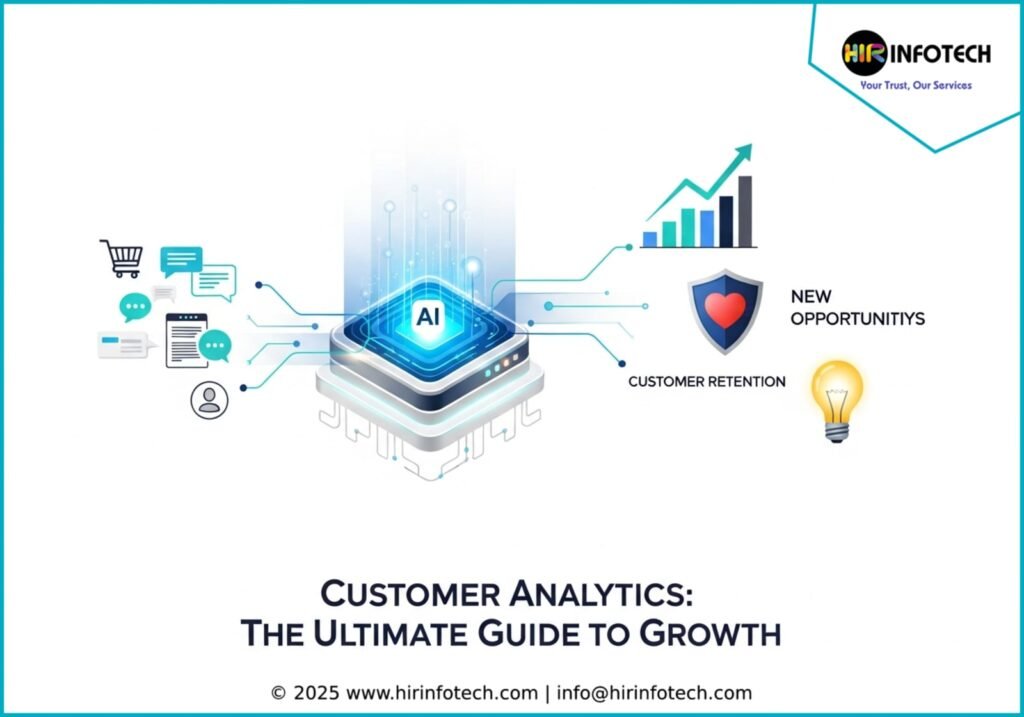
Customer service analytics is the systematic collection and analysis of data generated by your customer service team. This data encompasses a wide array of interactions and metrics, including:
- Customer communications across all channels (email, phone, chat)
- Purchase history and transaction data
- Responses from customer satisfaction surveys
- Product return information
- Demographic and psychographic data
Businesses utilize powerful analytical tools to aggregate this information from various departments, creating a holistic view of the customer. The insights gleaned from this comprehensive analysis are then used to refine marketing strategies, inform product development, and elevate the overall customer experience.
The value of this technology is skyrocketing. The global customer journey analytics market is expected to reach an astounding $46.68 billion by 2030, highlighting its critical role in the broader big data industry. This rapid growth is fueled by the integration of Artificial Intelligence (AI) and machine learning, which are transforming how businesses understand and interact with their customers.
With AI-powered solutions, organizations can expand their knowledge base and deliver more personalized and satisfying service. By analyzing historical data, you can predict future customer behavior, empowering your support staff to provide proactive and effective assistance.
Real-World Applications of Customer Service Analytics
Customer service analytics are indispensable for companies dedicated to measuring and improving the quality of support they provide. By analyzing the data you collect, you can identify effective strategies and pinpoint areas for improvement. The application of big data in customer service offers a multitude of opportunities for growth and innovation. Here are some compelling examples of how customer service analytics is making a significant impact:
Gauging Customer Sentiment and Identifying Dissatisfaction
In today’s digital age, a wealth of information is publicly available on social media platforms and review websites. This content provides a real-time pulse on customer attitudes and opinions regarding your products, services, and communication methods. By monitoring and analyzing this unstructured data, you can uncover valuable insights into customer sentiment.
If you detect negative trends or recurring issues, you can take immediate action. This might involve adjusting your branding, refining your email marketing campaigns, or addressing specific product or service deficiencies. Proactively managing customer sentiment can help you mitigate brand damage and turn dissatisfied customers into loyal advocates.
Personalizing Offers and Predicting Future Needs
By examining a customer’s transaction history, browsing behavior, and past interactions, you can gain a deep understanding of their preferences and needs. This allows you to predict which products or offers they are most likely to be interested in for their next purchase. This data-driven approach to personalization enables you to deliver the right message to the right customer at the right time.
The evolving shopping habits of consumers provide an opportunity for businesses to deliver highly targeted product promotions. By segmenting your audience based on their behavior and demographics, you can create personalized marketing campaigns that resonate with specific customer groups, leading to higher conversion rates and increased customer loyalty.
Understanding and Reducing Customer Churn
Customer churn, or the rate at which customers stop doing business with you, is a critical metric for any subscription-based or repeat-purchase business. Data analytics can help you understand the root causes of churn by identifying patterns in the behavior of customers who have left. Predictive analytics takes this a step further by using historical data to forecast which current customers are at a high risk of churning.
A decline in customer engagement or a drop in product usage can be early warning signs of potential churn. By identifying these at-risk customers, you can proactively intervene with targeted retention strategies. For instance, a company experiencing a high churn rate could develop special offers or personalized outreach programs for different customer segments to improve satisfaction and reduce attrition. This proactive approach is significantly more cost-effective than acquiring new customers.
Evaluating and Improving Team Performance
Customer service analytics allows you to track key performance indicators (KPIs) and service level agreements (SLAs) with precision. This data provides a clear picture of individual and team performance, enabling you to identify top performers and those who may require additional training or support.
By setting clear, data-backed goals and regularly monitoring progress, you can foster a culture of continuous improvement within your customer service team. Recognizing and rewarding outstanding performance can also serve as a powerful motivator, encouraging your entire team to strive for excellence.
Uncovering New Revenue Streams and Opportunities
In a constantly evolving market, businesses must be agile and adaptable to remain profitable. The data you already collect on your customers can be a goldmine of information for identifying new revenue opportunities. By analyzing customer preferences and unmet needs, you can develop new products or services that complement your existing offerings.
For example, data on frequently purchased product combinations can inform the creation of bundled deals or subscription packages. You can also use purchase history to recommend relevant add-ons or upgrades to customers, increasing the lifetime value of each relationship. For businesses that require frequent data extraction and web scraping, understanding customer data can reveal opportunities to offer new data-driven services to your clients.
To learn more about how data extraction can benefit your business, explore these comprehensive data extraction services.
Demonstrating E-E-A-T in Your Data Solutions
In the world of SEO and online content, Google’s E-E-A-T (Experience, Expertise, Authoritativeness, and Trust) guidelines are paramount. For data solution providers, demonstrating these qualities is crucial for building credibility and attracting clients. Here’s how to apply E-E-A-T to your content and services:
- Experience: Showcase your hands-on experience by sharing real-world case studies and success stories. Detail the challenges you’ve overcome and the results you’ve achieved for your clients.
- Expertise: Position your team as experts by publishing in-depth articles, white papers, and webinars on topics related to data analytics, web scraping, and data extraction.
- Authoritativeness: Build your brand’s authority by earning mentions and backlinks from other reputable websites in your industry. Collaborate with other experts and participate in industry events.
- Trust: Be transparent about your processes and pricing. Display client testimonials and reviews prominently on your website. Ensure your website is secure and provides a positive user experience.
By consistently demonstrating E-E-A-T, you can establish your company as a trusted leader in the data solutions industry. For further reading on this topic, this guide on how to create people-first content is an excellent resource.
Frequently Asked Questions (FAQs)
1. What is the primary benefit of data analytics for a business?
The main advantage of data analytics is its ability to optimize business performance. By incorporating data-driven insights into your strategy, you can identify more efficient ways to operate, leading to significant cost reductions and improved profitability.
2. What is the role of data in customer analytics?
Data is the foundation of customer analytics. It enables businesses to make well-informed marketing decisions that can have a substantial impact on their financial performance. Studies have shown that companies that heavily utilize customer analytics can achieve a significantly higher return on investment and profitability.
3. How is the value of a customer database determined?
There are several methods for valuing a customer database. A common approach is the income method, which involves analyzing revenue per product and customer segment. By projecting future cash flows and discounting them to a single present value, you can estimate the database’s monetary worth.
4. What are some key trends to watch in data analytics for 2026?
Key trends for 2026 include the increasing adoption of generative AI and augmented analytics, a greater emphasis on real-time data processing, and the continued democratization of data through user-friendly tools. Responsible AI and data ethics will also become increasingly important.
5. How can data analytics help in reducing customer churn?
Data analytics can identify the factors that contribute to customer churn. By using predictive models, businesses can identify customers who are at risk of leaving and implement targeted retention strategies to keep them. This proactive approach is more cost-effective than acquiring new customers.
6. What is web scraping and how is it used in customer analytics?
Web scraping is the automated process of extracting data from websites. In customer analytics, it can be used to gather publicly available data such as customer reviews, social media comments, and competitor pricing. This information provides valuable insights into customer sentiment and market trends.
7. How can a non-technical audience understand and benefit from data analytics?
By using data visualization tools like dashboards and charts, complex data can be presented in an easily digestible format. This allows non-technical stakeholders to understand key trends and insights, enabling them to make data-informed decisions without needing to be data scientists.
Transform Your Business with Expert Data Solutions
Are you ready to unlock the full potential of your customer data? At Hir Infotech, we specialize in providing comprehensive data solutions, including web scraping, data extraction, and advanced analytics. Our team of experts can help you turn your data into a strategic asset that drives growth and profitability. Contact us today to learn how we can help you harness the power of your data and achieve your business goals.
#CustomerAnalytics #DataAnalytics #BigData #DataSolutions #WebScraping #DataExtraction #BusinessGrowth #SEO #DigitalMarketing