Unlock Your Data’s Full Potential: An Expert Guide to Effective Data Conversion in 2026
In today’s data-driven world, businesses are inundated with vast amounts of information in a multitude of formats. The ability to transform this data from one format to another, a process known as data conversion, is no longer just a technical necessity—it’s a strategic imperative. For mid to large-sized companies that regularly deal with web scraping, data extraction, and other data-intensive tasks, mastering data conversion is the key to unlocking actionable insights, enhancing efficiency, and gaining a competitive edge. This comprehensive guide will demystify the data conversion process, explore the latest industry trends for 2026, and provide actionable tips for a seamless and effective data transformation journey.
What is Data Conversion and Why is it Crucial for Your Business?
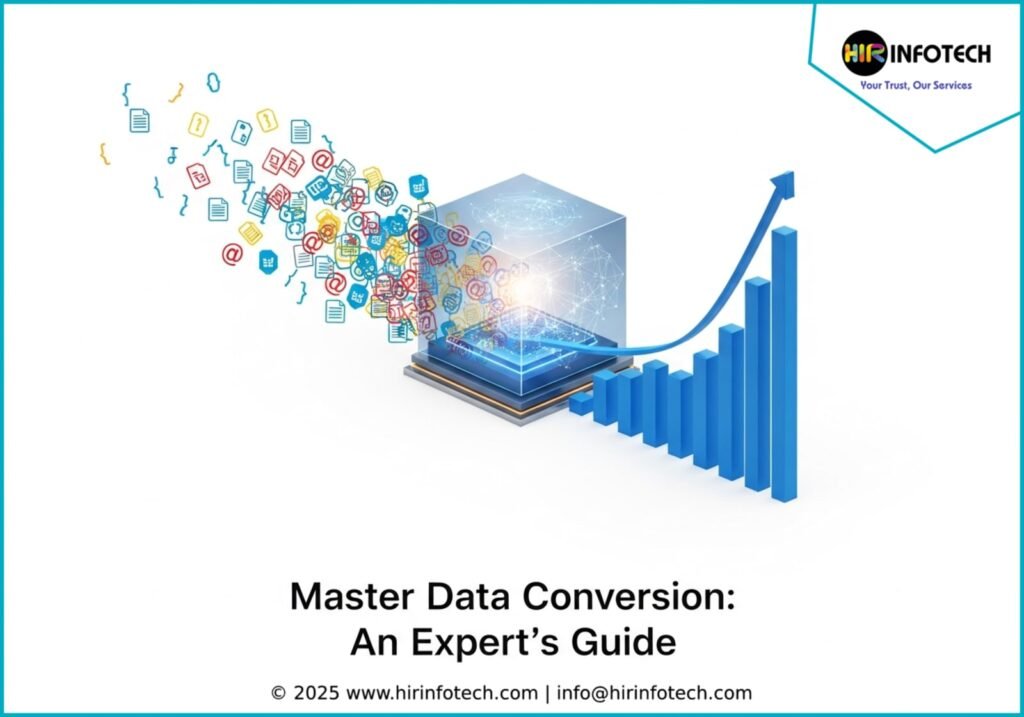
At its core, data conversion is the process of changing data from one format to another. Think of it as translating a book from one language to another so that a new audience can understand its message. Similarly, data conversion makes information understandable and usable for different applications, systems, or analysis tools. This is particularly vital for businesses that collect data from diverse sources, such as websites, internal databases, and third-party platforms. By converting this data into a unified and structured format, you can derive meaningful insights that were previously hidden within disparate datasets.
The significance of effective data conversion cannot be overstated. High-quality, well-structured data is the lifeblood of modern business intelligence, machine learning models, and strategic decision-making. In fact, poor data quality can cost organizations an average of $15 million annually. By prioritizing data conversion, you not only mitigate these financial risks but also empower your teams to work more efficiently, innovate faster, and respond more effectively to market changes.
The Data Conversion Process Demystified: A Step-by-Step Breakdown
While the intricacies of data conversion can vary depending on the complexity and volume of the data involved, the fundamental process can be broken down into several key stages. Understanding these steps will provide a clear roadmap for your data conversion projects and help ensure a successful outcome.
Stage 1: Data Assessment and Planning
Every successful data conversion project begins with a thorough assessment and a well-defined plan. This initial phase is crucial for understanding the scope of the project, identifying potential challenges, and setting clear objectives. Key activities in this stage include:
- Defining the Scope: Clearly outline the data sources, the target format, and the desired outcomes of the conversion.
- Data Profiling: Analyze the source data to understand its structure, quality, and complexity. This helps in identifying inconsistencies, missing values, and other potential issues early on.
- Resource Allocation: Determine the necessary personnel, tools, and budget required for the project.
- Stakeholder Engagement: Involve key stakeholders from different departments to gather requirements and ensure the conversion plan aligns with business goals.
Stage 2: Data Extraction and Preparation
Once the planning is complete, the next step is to extract the data from its source and prepare it for conversion. This stage is critical for ensuring the integrity and quality of the data before it undergoes transformation. Data preparation often involves:
- Data Cleansing: This is the process of identifying and correcting errors, inconsistencies, and inaccuracies in the data. Techniques like de-duplication, handling missing data, and standardizing formats are employed to improve data quality.
- Data Validation: Implementing validation rules to ensure the data is accurate and conforms to predefined constraints.
- Data Enrichment: Enhancing the value of the data by adding supplementary information from internal or external sources.
Stage 3: Data Transformation and Mapping
This is the core of the data conversion process, where the data is actually transformed from its source format to the target format. This stage requires careful mapping of data fields from the source to the target system to ensure that no information is lost or misinterpreted during the conversion.
- Schema Transformation: Adjusting the data’s structure and hierarchy to align with the target system’s architecture for improved efficiency.
- Format Conversion: Changing data formats, such as converting text to a date format or changing units of measurement.
- Custom Scripts: For complex transformations, custom scripts written in languages like Python or SQL can be used to automate the process based on predefined rules.
Stage 4: Data Loading and Validation
After the data has been transformed, it needs to be loaded into the target system. This final stage also involves a thorough validation process to ensure the conversion was successful and the data is accurate and usable in its new environment.
- Loading: The transformed data is loaded into the new database, application, or data warehouse.
- Post-Conversion Validation: Quality analysts conduct rigorous testing to verify the accuracy and completeness of the converted data. This may involve comparing the converted data with the original source data.
- System Integration: Ensuring the newly converted data integrates seamlessly with other existing systems and applications.
Emerging Trends in Data Conversion for 2026: The Rise of AI and Automation
The data solutions industry is constantly evolving, and 2026 is poised to bring significant advancements in how we approach data conversion. The most prominent trend is the increasing role of Artificial Intelligence (AI) and automation in streamlining and enhancing the entire process.
AI-powered data conversion tools are revolutionizing the industry by bringing unprecedented efficiency, accuracy, and automation. These tools leverage machine learning (ML) and natural language processing (NLP) to intelligently process and transform complex datasets with minimal human intervention. Here are some of the key ways AI is transforming data conversion:
- Intelligent Document Understanding: Generative AI can extract and interpret complex data from various document formats, including images and PDFs. Unlike traditional OCR, AI understands the semantic meaning and context, leading to more accurate data capture from unstructured sources.
- Smart Data Mapping: AI models can learn from historical data patterns to automatically identify relationships between different data fields across various systems. This eliminates the need for extensive manual rule-setting and reduces the risk of human error.
- Automated Data Cleansing and Normalization: AI algorithms can detect inconsistencies, duplicate entries, and missing fields, and even suggest corrective actions. This significantly enhances data quality for analytics and reporting.
- Real-Time Data Conversion: AI-powered tools can process data in real-time, enabling businesses to keep up with the rapidly changing information landscape.
Leading data integration platforms are increasingly incorporating AI and machine learning to automate data management tasks, further enhancing productivity and efficiency. As we move further into 2026, the adoption of these intelligent data conversion solutions will become a key differentiator for businesses looking to harness the full power of their data.
Best Practices for a Successful Data Conversion Strategy
A successful data conversion project requires more than just the right tools; it demands a strategic approach and a commitment to best practices. Here are some key principles to guide your data conversion initiatives:
1. Develop a Comprehensive Plan
As highlighted earlier, careful planning is the bedrock of any successful data conversion project. Before you begin, take the time to define the project’s scope, objectives, timeline, and budget. The more thorough your plan, the more likely you are to execute it successfully.
2. Prioritize Data Quality and Cleansing
The old adage “garbage in, garbage out” holds true for data conversion. Poor data quality is a major obstacle to successful digital transformation. Therefore, it’s essential to implement robust data profiling and cleansing techniques to ensure the accuracy and integrity of your data before conversion. Establishing clear data quality standards and testing at each stage can help identify and rectify errors early in the process.
3. Foster Business Engagement
Data conversion is not just a technical exercise; it’s a business-critical process. It’s crucial for business leaders to understand the importance of data conversion and its impact on downstream processes. Fostering collaboration between IT and business teams ensures that the conversion process is aligned with strategic objectives and that the resulting data meets the needs of the end-users.
4. Adhere to Data Governance and Compliance
In an era of increasing data privacy regulations like GDPR and HIPAA, data governance and compliance are paramount. Your data conversion strategy must incorporate strong security measures, including data encryption and access controls, to protect sensitive information. A well-defined data governance framework ensures that data is managed responsibly and ethically throughout its lifecycle.
5. Leverage Automation and Modern Tools
Manual data conversion is time-consuming, prone to errors, and not scalable for large datasets. Embracing automated tools and software is essential for improving efficiency and accuracy. Cloud-based data migration tools and ETL (Extract, Transform, Load) platforms can significantly streamline the data conversion process. For businesses involved in web scraping and data extraction, utilizing APIs and specialized scraping tools can automate the process of gathering data from websites in a structured format.
Partnering with the Right Data Solutions Provider
For many mid to large-sized companies, managing complex data conversion projects in-house can be a significant challenge. Partnering with a specialized data solutions provider like Hir Infotech can offer numerous benefits. An experienced partner brings deep expertise in data conversion, access to the latest tools and technologies, and a proven methodology for delivering successful outcomes. Outsourcing your data conversion needs allows you to focus on your core business activities while ensuring that your data is in the hands of experts.
Frequently Asked Questions (FAQs)
1. What is the difference between data conversion and data migration?
While often used interchangeably, data conversion and data migration are distinct processes. Data conversion focuses on transforming data from one format to another to ensure compatibility with a new system. Data migration, on the other hand, is the process of transferring data from one system or storage location to another. Data conversion is often a crucial step within a larger data migration project.
2. How does AI improve the data conversion process?
AI significantly enhances data conversion by automating tasks, improving accuracy, and handling complex data structures. AI-powered tools can intelligently map data fields, cleanse and validate data, and even extract information from unstructured sources like documents and images, reducing manual effort and minimizing errors.
3. What are the biggest challenges in data conversion?
The primary challenges in data conversion include poor data quality, system compatibility issues between legacy and modern platforms, ensuring data security and compliance with regulations, and minimizing downtime during the conversion process. A well-thought-out strategy and the use of modern tools can help mitigate these challenges.
4. What is ETL and how does it relate to data conversion?
ETL stands for Extract, Transform, and Load. It is a type of data integration process where data is extracted from a source, transformed into a different format, and then loaded into a target destination. Data conversion is a key component of the “Transform” stage in the ETL process. Many data conversion tools are built on ETL principles.
5. How important is data quality in the age of AI?
Data quality is more critical than ever in the age of AI. AI and machine learning models are only as good as the data they are trained on. Inaccurate, incomplete, or biased data can lead to flawed AI predictions and recommendations, potentially having significant negative consequences for a business.
6. What are some popular tools used for data conversion?
There are numerous data conversion and migration tools available, ranging from open-source options to enterprise-grade platforms. Some popular choices in 2026 include AWS Database Migration Service, Microsoft Azure Migrate, Google Cloud Data Transfer, Integrate.io, and Talend. The best tool for your organization will depend on your specific needs and existing technology stack.
7. How can I ensure my data conversion project stays on track?
To keep your data conversion project on track, it’s essential to have a detailed project plan with clear milestones and timelines. Regular communication with stakeholders, proactive risk management, and continuous monitoring of progress are also crucial. Assigning clear ownership for different tasks and having a dedicated project manager can help ensure accountability and smooth execution.
Take the Next Step Towards Data-Driven Success
In the competitive landscape of 2026, the ability to effectively convert and leverage your data is a critical driver of business success. By understanding the intricacies of the data conversion process, embracing emerging technologies like AI, and adhering to best practices, you can transform your raw data into a powerful strategic asset. Don’t let your valuable data remain locked away in incompatible formats. Unlock its full potential and gain the insights you need to thrive.
Ready to embark on your data conversion journey? Contact Hir Infotech today to learn how our expert data solutions can help you achieve your business objectives. Our team of specialists is equipped with the knowledge and tools to handle all your data conversion, web scraping, and data extraction needs, ensuring a seamless and successful transformation.
External Resources for Further Reading:
- Forbes: The 8 Data Trends That Will Define 2026
- Integrate.io: Data Transformation Challenge Statistics
#DataConversion #DataTransformation #DataManagement #DataSolutions #WebScraping #DataExtraction #AIinData #BusinessIntelligence #BigData #DataAnalytics #DigitalTransformation #HirInfotech