Web Scraping and Plagiarism: A 2026 Guide for Ethical Data Solutions
In the digital age, data is the new gold. For businesses aiming to maintain a competitive edge, harnessing the vast amount of information available on the web is no longer optional—it’s essential. Web scraping has emerged as a powerful tool for this purpose, enabling companies to gather and analyze data on a massive scale. However, this technological advancement brings with it a host of ethical considerations, most notably the risk of plagiarism. This comprehensive guide will explore the nuances of web scraping, its relationship with plagiarism, and how your business can leverage data solutions ethically and effectively in 2026.
What is Web Scraping?
Web scraping is the automated process of extracting large amounts of data from websites. Using software, or “bots,” businesses can collect specific information—such as pricing, product details, or customer reviews—from various online sources and save it in a structured format for analysis. This technique is invaluable for market research, competitive analysis, lead generation, and much more. The web scraping market is projected to see significant growth, reflecting its increasing importance in business strategy.
The Power of Data at Your Fingertips
The ability to gather and analyze data at scale has revolutionized how businesses operate. With the right data solutions, companies can:
- Gain a Competitive Advantage: Monitor your competitors’ pricing, product offerings, and marketing strategies in real-time. This allows you to make agile business decisions and stay ahead of the curve.
- Understand Market Trends: By collecting and analyzing data from news articles, social media, and industry forums, you can identify emerging trends and consumer sentiment.
- Enhance Decision-Making: Data-driven insights empower you to make informed decisions across all departments, from product development to marketing and sales.
- Fuel AI and Machine Learning: High-quality, scraped data is the lifeblood of artificial intelligence and machine learning models, enabling predictive analytics and automation.
In 2026, the integration of AI with web scraping will make the process even more intelligent and efficient. AI-powered scraping tools can understand the structure of a webpage, identify relevant data, and even bypass some anti-scraping measures. This evolution makes web scraping a more potent tool than ever before.
The Blurring Line: Web Scraping vs. Plagiarism
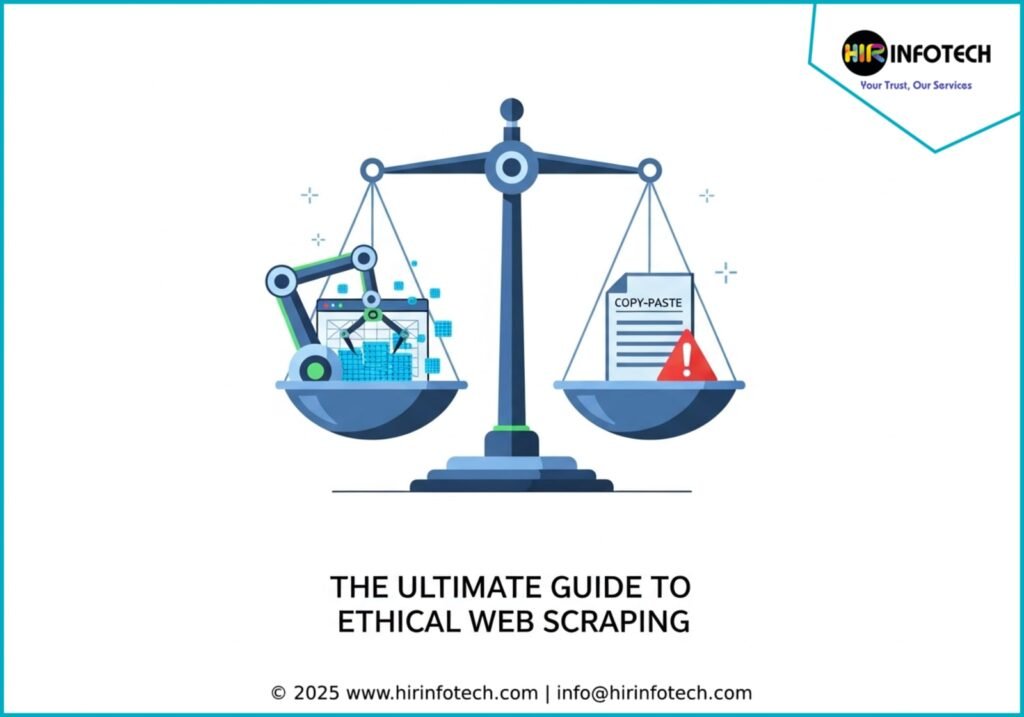
While web scraping is a powerful tool for data collection, it’s crucial to understand the ethical boundaries to avoid plagiarism. Plagiarism is the act of using someone else’s work or ideas without giving proper credit. In the context of web scraping, this can occur when a company scrapes content from a website and republishes it as its own without permission or attribution.
The ease of “copy and paste” in the digital world has made it tempting for some to cut corners. However, this is not only unethical but can also have serious legal and reputational consequences. Search engines like Google are increasingly sophisticated in detecting duplicate content and penalize websites that engage in such practices.
Navigating the Ethical Landscape
Ethical web scraping is about respecting the intellectual property and resources of others. It involves being transparent, considerate, and compliant with legal and ethical standards. Here are some key principles for ethical data extraction:
- Respect `robots.txt`: This file, found on most websites, outlines the rules for bots and web crawlers. Always check and adhere to the `robots.txt` file before scraping a site.
- Don’t Overload Servers: Send requests at a reasonable rate to avoid overwhelming the website’s server. A high volume of rapid requests can slow down or even crash a site.
- Identify Yourself: Use a clear user-agent string that identifies your bot and provides a way for website administrators to contact you if needed.
- Scrape Only Public Data: Avoid scraping data that is behind a login or paywall, as this is generally not considered public information.
- Add Value, Don’t Just Copy: The goal of web scraping should be to analyze data and gain insights, not to simply replicate content. Use the data you collect to create something new and original.
For more in-depth guidance on ethical web scraping practices, a valuable external resource is the Bennett Jones’ blog on the legality of web scraping.
Profits from Ethical Web Scraping
When done ethically, web scraping can be an incredibly profitable endeavor for mid to large-sized companies. The insights gained from scraped data can lead to significant improvements in various business functions.
Real-World Applications and Benefits
- E-commerce and Retail: Retailers can use web scraping to monitor competitor pricing and adjust their own prices dynamically to remain competitive. They can also track product availability and customer reviews to optimize their inventory and product offerings.
- Finance: Financial institutions can scrape data from news sites and social media to gauge market sentiment and make more informed investment decisions.
- Real Estate: Real estate companies can aggregate property listings from various websites to provide their clients with a comprehensive view of the market.
- Travel and Hospitality: Airlines and hotels can track competitor pricing and promotions to optimize their own pricing strategies and attract more customers.
By leveraging web scraping, companies can unlock new revenue streams, improve operational efficiency, and gain a deeper understanding of their market and customers.
Establishing Trust and Authority: E-E-A-T in the Data Solutions Industry
In the world of SEO and online content, Google’s E-E-A-T (Experience, Expertise, Authoritativeness, and Trustworthiness) guidelines are paramount. For companies in the data solutions industry, demonstrating E-E-A-T is crucial for building credibility and attracting clients.
How to Demonstrate E-E-A-T
- Showcase Your Experience: Share case studies and success stories that highlight your experience in providing data solutions. Detail the challenges you’ve helped clients overcome and the results you’ve achieved.
- Highlight Your Expertise: Publish in-depth articles, white papers, and blog posts that demonstrate your deep understanding of web scraping, data analysis, and the data solutions landscape. This positions you as a thought leader in the industry.
- Build Authoritativeness: Earn mentions and backlinks from other reputable websites in your industry. Collaborate with other experts and participate in industry events to build your reputation.
- Foster Trustworthiness: Be transparent about your processes and pricing. Provide clear contact information and testimonials from satisfied clients. Ensure your website is secure and provides a good user experience.
By focusing on E-E-A-T, you can build a strong brand reputation and become a trusted partner for companies seeking data solutions.
Partner with Hir Infotech for Your Data Solution Needs
Navigating the complexities of web scraping and data analysis requires expertise and the right tools. At Hir Infotech, we specialize in providing ethical and effective data solutions tailored to the unique needs of your business. Our team of experts can help you harness the power of web scraping to gain valuable insights and achieve your business goals.
Ready to unlock the power of your data? Contact Hir Infotech today for a consultation and discover how our data solutions can drive your business forward.
Frequently Asked Questions (FAQs)
-
1. Is web scraping legal?
- Web scraping public data is generally considered legal. However, the legality can depend on the type of data being collected and the terms of service of the website being scraped. It’s crucial to avoid scraping personal data and to respect a website’s `robots.txt` file and terms of service.
-
2. How can I avoid plagiarism when using scraped data?
- The key is to use the data for analysis and to generate original insights, not to simply republish the content. If you do use specific pieces of information, always provide proper attribution to the original source. The goal is to create new, valuable content based on the data you’ve collected.
-
3. What are the risks of unethical web scraping?
- Unethical web scraping can lead to several negative consequences, including being blocked by websites, facing legal action for copyright infringement or violating terms of service, and damaging your company’s reputation.
-
4. What makes Python a popular language for web scraping?
- Python is favored for web scraping due to its extensive libraries like BeautifulSoup and Scrapy, which simplify the process of extracting and parsing data from websites. Its versatility and large community support also make it an excellent choice for developing custom scraping solutions.
-
5. How is AI impacting the future of web scraping?
- AI is making web scraping more intelligent and efficient. AI-powered tools can better understand the structure of websites, handle dynamic content, and even automate parts of the data cleaning and analysis process. This allows for more accurate and insightful data extraction.
-
6. What is the difference between web scraping and data mining?
- Web scraping is the process of extracting data from websites. Data mining, on the other hand, is the process of analyzing large datasets to identify patterns, trends, and insights. Web scraping is often the first step in the data mining process.
-
7. How can my business start with web scraping?
- The best way to start is to partner with a reputable data solutions provider like Hir Infotech. We can help you define your data needs, develop a compliant and ethical scraping strategy, and provide you with the tools and expertise to turn raw data into actionable insights.