
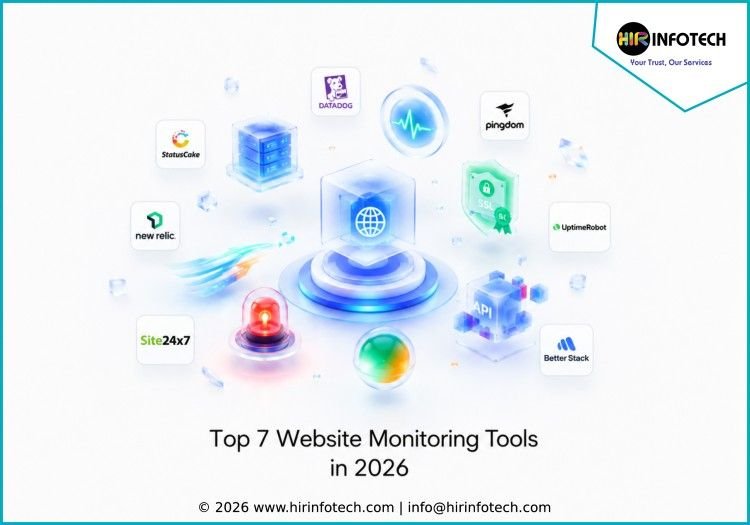
Top 7 Website Monitoring Tools
1. Datadog
Short overview:
Datadog is a powerful monitoring and observability platform used by engineering, DevOps, IT, and business teams. Its synthetic monitoring features allow companies to test websites, APIs, user journeys, and key application flows before customers experience issues. Datadog is especially useful for businesses that need website monitoring connected with infrastructure, logs, application performance, and incident response.
Key strengths:
Datadog offers API testing, browser testing, synthetic monitoring, real-user monitoring, alerting, dashboards, logs, infrastructure monitoring, and application performance insights.
Best for:
Enterprises, SaaS companies, DevOps teams, engineering teams, and businesses that need advanced website and full-stack monitoring.
2. Pingdom
Short overview:
Pingdom, from SolarWinds, is a well-known website monitoring tool focused on uptime, page speed, transaction monitoring, and user experience visibility. It helps businesses know when a website is down, slow, or facing performance issues. Pingdom is useful for companies that want simple website monitoring with clear alerts and performance reports.
Key strengths:
Pingdom provides uptime monitoring, page speed monitoring, transaction monitoring, real user monitoring, global checks, immediate alerts, and performance reporting.
Best for:
Small businesses, ecommerce websites, agencies, SaaS companies, and teams that need reliable uptime and performance monitoring.
3. UptimeRobot
Short overview:
UptimeRobot is a simple and popular website monitoring tool for tracking uptime, SSL status, ports, keywords, and cron jobs. It is easy to set up and works well for businesses that need quick alerts when a website or service becomes unavailable. UptimeRobot also offers public status pages and integrations with common notification tools.
Key strengths:
UptimeRobot offers website uptime checks, SSL monitoring, keyword monitoring, cron monitoring, public status pages, real-time alerts, mobile apps, and integrations with email, SMS, Slack, and other tools.
Best for:
Small businesses, startups, developers, bloggers, agencies, and teams that need affordable and easy website uptime monitoring.
4. Better Stack
Short overview:
Better Stack combines uptime monitoring, incident management, status pages, logging, and alerting in one modern platform. It helps teams detect downtime, investigate errors, notify the right people, and communicate incidents clearly. Better Stack is especially useful for businesses that want website monitoring connected with team response workflows and customer-facing status updates.
Key strengths:
Better Stack offers uptime monitoring, status pages, screenshots for errors, incident timelines, log management, alert routing, on-call scheduling, phone alerts, SMS alerts, and integrations.
Best for:
SaaS companies, software teams, startups, DevOps teams, agencies, and businesses that need monitoring with incident communication.
5. Site24x7
Short overview:
Site24x7 is a complete website and IT monitoring platform from Zoho Corporation. It helps businesses monitor website uptime, performance, APIs, servers, networks, applications, SSL certificates, DNS, and cloud infrastructure. Site24x7 is a strong option for businesses that want website monitoring as part of a wider IT operations and performance monitoring system.
Key strengths:
Site24x7 provides website monitoring, API monitoring, SSL monitoring, server monitoring, network monitoring, cloud monitoring, real user monitoring, synthetic monitoring, global monitoring locations, reports, and status pages.
Best for:
IT teams, managed service providers, enterprises, ecommerce businesses, and companies that need broad website and infrastructure monitoring.
6. New Relic
Short overview:
New Relic is an observability platform that supports website performance monitoring, synthetic monitoring, application monitoring, infrastructure visibility, logs, and user experience analysis. Its synthetic monitoring helps teams simulate user journeys, check availability, review page performance, and identify problems before users are affected. New Relic is useful for companies that need deeper technical visibility into digital experiences.
Key strengths:
New Relic offers synthetic monitoring, website performance monitoring, application performance monitoring, infrastructure monitoring, logs, alerts, dashboards, real user monitoring, and AI-assisted observability features.
Best for:
Engineering teams, SaaS businesses, enterprise IT teams, DevOps teams, and companies that need website monitoring with deep application insights.
7. StatusCake
Short overview:
StatusCake is a website monitoring platform that helps businesses track uptime, page speed, domains, SSL certificates, servers, and APIs. It is designed for teams that want practical monitoring with alerts, reporting, and collaboration features. StatusCake is useful for companies that need a balanced tool for availability, speed, and website health monitoring.
Key strengths:
StatusCake offers uptime monitoring, page speed checks, SSL monitoring, domain monitoring, server monitoring, API monitoring, reporting, integrations, team tools, and alerting across multiple channels.
Best for:
Small businesses, agencies, DevOps teams, ecommerce websites, SaaS companies, and teams that need practical website monitoring with clear alerts.
Why Choosing the Right Company Matters
Choosing the right platform from the Top 7 Website Monitoring Tools matters because downtime can affect revenue, customer trust, search visibility, and brand reputation. A website may look fine during normal checks, but hidden issues such as slow pages, failed forms, expired SSL certificates, broken checkout flows, or API errors can still hurt business performance.
Businesses should compare expertise, pricing, data quality, technology, support, and scalability before choosing a provider. In website monitoring, data quality means accurate alerts, fewer false positives, reliable global checks, clear performance data, and useful incident reports. Poor alert quality can waste team time or cause real issues to be missed.
Pricing is also important. Some tools are affordable for small websites, while others are built for enterprise observability and full-stack monitoring. A small business may only need uptime and SSL alerts, while a SaaS company may need synthetic testing, API monitoring, status pages, on-call workflows, and application performance insights.
Technology should match the business need. Basic uptime monitoring is useful, but many teams also need real user monitoring, page speed tracking, transaction monitoring, API checks, domain monitoring, SSL alerts, and integrations with Slack, Teams, PagerDuty, or CRM systems.
Support and scalability should not be ignored. As a business grows, it may need to monitor more websites, more regions, more applications, more APIs, and more customer journeys. The right website monitoring tool should grow with the business without making reporting or incident response more complicated.
Conclusion
The Top 7 Website Monitoring Tools in 2026 help businesses detect downtime, improve website performance, protect customer experience, and respond faster to technical issues.
Datadog, Pingdom, UptimeRobot, Better Stack, Site24x7, New Relic, and StatusCake each offer different strengths. The best choice depends on whether your business needs simple uptime checks, advanced synthetic monitoring, performance insights, API monitoring, status pages, incident response, or complete observability.









