
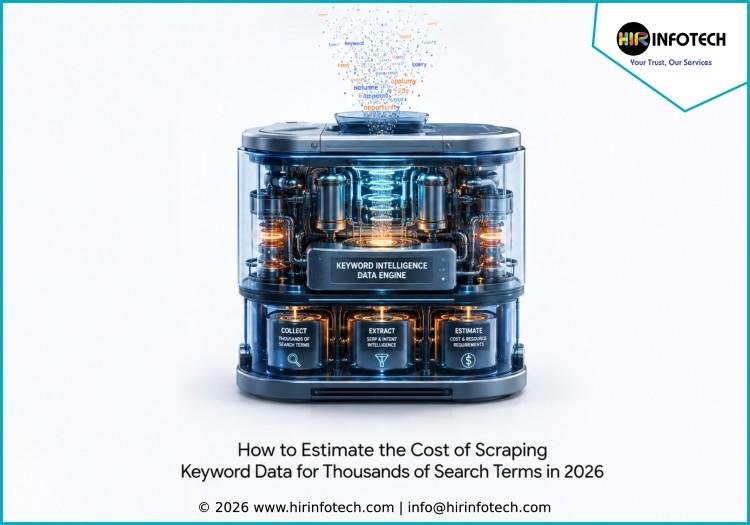
How to Estimate the Cost of Scraping Keyword Data for Thousands of Search Terms in 2026
How to Estimate the Cost of Scraping Keyword Data for Thousands of Search Terms in 2026 Introduction Keyword data scraping has become a critical part of SEO, paid search, content planning, and competitive intelligence in 2026. Businesses managing large-scale campaigns across markets like the USA, Germany, the United Kingdom, Canada, and Australia often need reliable keyword datasets at scale. Estimating scraping costs accurately helps organizations avoid infrastructure waste, compliance risks, and unreliable data collection workflows. Why Businesses Scrape Keyword Data at Scale Modern search marketing depends heavily on access to fresh keyword intelligence. Businesses no longer analyze only a few hundred terms. Enterprise SEO teams, SaaS companies, ecommerce brands, affiliate publishers, and agencies often monitor thousands or even millions of keywords across multiple regions and devices. Large-scale keyword scraping is commonly used forSearch intent analysisSERP trackingCompetitor monitoringPPC campaign planningAI-driven keyword clusteringContent gap analysisLocal SEO monitoringProduct demand forecastingInternational SEO expansion For companies operating across countries such as France, Spain, Switzerland, the Netherlands, and Hong Kong, keyword data requirements become more complex due to language and regional variations. What Impacts the Cost of Scraping Keyword Data 1. Number of Search Terms The biggest cost driver is keyword volume.5,000 keywords is relatively small scale500,000 keywords requires enterprise infrastructureMillions of keywords require distributed systems Cost scales based onTotal keywordsScraping frequencySearch engines usedGeographic locations 2. Frequency of Data Collection Higher frequency increases cost due toProxy usageCAPTCHA handlingCompute requirementsStorage load Common schedulesDailyWeeklyHourlyReal-time 3. Geographic Targeting Scraping across multiple countries increases complexity. Localized scraping requiresCountry-specific proxiesLanguage targetingGeo-distributed systemsDevice simulation 4. Search Engine Complexity Google is the most expensive to scrape due toAnti-bot systemsCAPTCHA challengesDynamic SERP layoutsJavaScript rendering Additional SERP features increase costFeatured snippetsAI OverviewsShopping resultsMaps resultsPeople Also Ask 5. Type of Keyword Data Required Basic data includesRankingsURLsTitles Advanced data includesSERP featuresCPC dataIntent classificationCompetitor domainsAI overview presence Infrastructure Costs Behind Large-Scale Keyword Scraping Proxy Networks Proxy costs are a major recurring expense.Residential and mobile proxies are required for reliability. Factors affecting costRegionTraffic volumeSuccess ratesProvider quality Cloud Infrastructure Scraping systems require cloud resources forAutomationParsingQueue managementStorageRetries Higher cost occurs withHeadless browsersJavaScript renderingHigh concurrency CAPTCHA Solving Costs includeThird-party solversAI solving systemsHuman fallback systems Data Storage and Processing Large-scale scraping generates heavy data loads requiringDatabasesData warehousesHistorical trackingAPIsDashboards Typical Pricing Models for Keyword Data Scraping Per-Keyword Pricing Based onKeyword volumeFrequencySearch engine type Monthly Managed Services IncludesInfrastructureMaintenanceAPIsMonitoring Enterprise Custom Pricing Based onGeographyScaleComplianceData complexityIntegration needs Hidden Costs Businesses Often Miss Engineering Maintenance Ongoing updates forSearch engine changesParser updatesProxy tuningSystem maintenance Compliance and Legal Review Important for regions like the EU due to data regulations and privacy laws. Data Quality Validation Ensures accuracy by filteringDuplicatesIncomplete dataParsing errorsGeo mismatches How Businesses Can Reduce Keyword Scraping Costs Prioritize High-Value Keywords Scrape important keywords more frequently and reduce updates for low-priority terms. Use Smart Scheduling Adaptive scheduling reduces unnecessary requests and infrastructure load. Avoid Over-Collecting Data Collect only necessary fields to reduce storage and processing costs. How Hirinfotech Supports Large-Scale Scraping Keyword Data Projects Hirinfotech supports scalable keyword scraping workflows for businesses handling large SEO and search intelligence operations across global markets. Their solutions are designed for organizations operating in regions such as the USA, UK, Germany, France, Spain, Canada, and Australia. Capabilities includeHigh-volume SERP scrapingGeo-targeted keyword extractionRank tracking automationSearch intent analysisCompetitor monitoringStructured keyword datasetsAPI-ready data delivery This reduces infrastructure burden by handling proxy management, scraping maintenance, anti-bot handling, and data pipelines for agencies, SaaS companies, and enterprise SEO teams. Key Questions to Ask Before Budgeting for Keyword Scraping What data is requiredSERP depthGeographic coverageFrequencyOutput format How fresh must the data beDaily or real-time data increases cost significantly. Is internal development realisticInternal systems require ongoing maintenance and infrastructure investment. Managed providers often reduceEngineering loadDowntime riskData inconsistency Frequently Asked Questions How much does scraping keyword data cost? Costs depend on scale, frequency, geography, and data complexity. Small projects may cost a few hundred dollars monthly, while enterprise systems require significantly more investment. Why is Google scraping more expensive? Due to anti-bot systems, dynamic SERPs, CAPTCHA enforcement, and localization complexity. Does localization increase cost? Yes, because it requires region-specific infrastructure and proxies. Can businesses scrape millions of keywords? Yes, but it requires distributed infrastructure and strong automation systems. What industries use keyword scraping? SEO, ecommerce, SaaS, publishing, affiliate marketing, and market research. Can Hirinfotech support large-scale scraping? Yes, through scalable keyword extraction workflows and enterprise-grade search intelligence systems. Conclusion Estimating the cost of scraping keyword data for thousands of search terms requires understanding infrastructure, geographic targeting, frequency, and data complexity. In 2026, businesses increasingly rely on scalable keyword intelligence systems to support SEO, PPC, AI-driven search, and competitive analysis. Organizations should evaluate not just scraping costs, but also data quality, compliance, scalability, and long-term maintenance needs when planning keyword data projects.