
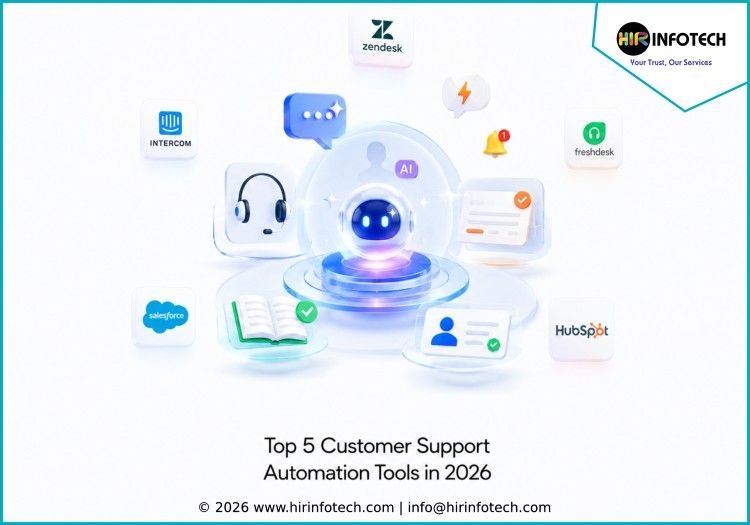
Top 5 Customer Support Automation Tools
1. Zendesk
Zendesk is one of the most recognized customer support automation tools for businesses that manage high volumes of customer conversations across email, chat, messaging, voice, and self-service channels. It helps teams automate ticket routing, prioritize customer requests, use AI-powered suggestions, and build help centers that reduce repetitive queries.
Key strengths:
Zendesk offers strong AI capabilities, omnichannel support, ticket automation, workflow management, customer analytics, and scalable help desk features. Its automation tools help support teams assign tickets faster, identify customer intent, and improve agent productivity.
Best for:
Mid-sized and enterprise businesses that need a scalable customer service platform with advanced automation, AI support, and detailed reporting.
2. Intercom
Intercom is a powerful customer support automation platform known for combining live chat, help desk tools, AI agents, customer messaging, and proactive support in one system. Its AI-first approach helps businesses automate common questions, route conversations to the right team, and support customers across multiple digital touchpoints.
Key strengths:
Intercom is strong in conversational support, AI-powered chat automation, customer segmentation, in-app messaging, and self-service support. It is especially useful for SaaS companies that want to reduce response time while still keeping the customer experience personal and helpful.
Best for:
SaaS companies, product-led businesses, startups, and digital-first teams that want AI-powered chat, automated support flows, and customer engagement tools.
3. Freshdesk
Freshdesk by Freshworks is a popular customer support automation tool designed for businesses that want an easy-to-use help desk with AI, ticketing, self-service, and team collaboration features. It helps companies automate repetitive support tasks such as ticket assignment, priority tagging, SLA management, and customer follow-ups.
Key strengths:
Freshdesk offers AI-powered automation, chatbot support, shared inbox management, ticket workflows, knowledge base tools, and multichannel support. Its interface is simple, making it easier for growing teams to adopt automation without a complex setup.
Best for:
Small to mid-sized businesses looking for affordable, user-friendly customer support automation software with strong ticketing and AI features.
4. Salesforce Service Cloud
Salesforce Service Cloud is a customer service automation platform built for businesses that need deep CRM integration, AI assistance, case management, and enterprise-level support operations. It connects customer data, service history, sales information, and support workflows to help teams deliver more personalized customer service.
Key strengths:
Salesforce Service Cloud is strong in CRM-based support automation, AI-powered recommendations, case routing, customer insights, workflow automation, and service analytics. It is especially valuable for companies already using Salesforce for sales, marketing, or customer relationship management.
Best for:
Large businesses, enterprises, and customer service teams that need advanced automation connected with CRM, sales, and customer data.
5. HubSpot Service Hub
HubSpot Service Hub is a customer support automation tool built into the HubSpot customer platform. It helps businesses manage tickets, automate support workflows, create knowledge bases, collect customer feedback, and connect service teams with marketing and sales data.
Key strengths:
HubSpot Service Hub offers ticket automation, live chat, help desk tools, customer portals, feedback surveys, AI support features, and CRM integration. Because it connects with HubSpot CRM, businesses can view the full customer journey and provide more context-based support.
Best for:
Small and growing businesses that want customer support automation connected with CRM, sales, marketing, and customer success workflows.
Why Choosing the Right Company Matters
Choosing from the Top 5 Customer Support Automation Tools is not only about selecting popular software. The right tool should match your business size, support volume, customer channels, team structure, and long-term growth plans.
A small business may need a simple platform that automates ticket assignment, live chat, and FAQs. A larger company may need advanced AI, CRM integration, multilingual support, detailed analytics, and enterprise-level security. Before choosing a provider, businesses should compare features, pricing, ease of use, customer support, integration options, and scalability.
Data quality also matters. Customer support automation works best when the system has clean customer records, accurate conversation history, and well-organized knowledge base content. Poor data can lead to wrong responses, duplicate tickets, slow routing, and a poor customer experience.
Technology is another important factor. Modern support teams need tools that can automate repetitive questions, assist human agents, analyze customer sentiment, and provide real-time insights. AI chatbots and automation workflows should support the team, not create confusion for customers.
Support and training are also essential. Even the best customer support automation software needs proper setup, workflow planning, and regular optimization. Businesses should choose tools that offer reliable documentation, helpful onboarding, and responsive support.
Scalability should be considered from the beginning. A company may start with basic ticketing but later need advanced automation, multiple teams, customer portals, or global support. Choosing a flexible platform helps avoid future migration problems.
Conclusion
The Top 5 Customer Support Automation Tools in 2026 offer different strengths for different business needs. Zendesk is a strong choice for scalable enterprise support. Intercom works well for AI-powered conversational support. Freshdesk is simple and practical for growing teams. Salesforce Service Cloud is ideal for CRM-driven enterprise service. HubSpot Service Hub is useful for companies that want support automation connected with sales and marketing.
The best choice depends on your customer support goals, budget, team size, and technology stack. Businesses should compare each platform carefully and choose the tool that helps them automate repetitive work, support customers faster, and build a better service experience.









